The night before your first session of chemotherapy, your mind will probably be buzzing with questions.
Will it hurt?
Will you feel sick straight away?
Will you even recognize yourself in a few weeks?
This is the same mix of dread and uncertainty that almost anyone beginning chemotherapy feels. Knowing exactly what’s going to happen, hour by hour and week by week, can make that fear much more manageable.
While every person responds differently to treatment, understanding the chemotherapy cycle can help you feel more prepared, know what to expect, and recognize when to reach out to your care team.
What Chemotherapy Works?
Chemotherapy is a treatment that uses powerful drugs to rapidly kill cancer cells in the body. Some healthy cells like the ones in your bone marrow, gut lining, and hair follicles divide quickly. That may cause some chemotherapy side effects at times.
Chemo is generally given in different cycles:
| Cycle Element | Typical Range |
| Cycle length. | 14 to 28 days. |
| Treatment days within a cycle. | 1 to 3 days (varies by drug/protocol). |
| Total cycles in a standard course. | 4 to 8 cycles. |
| Infusion duration per session. | 30 minutes to several hours. |
The rest period is a part of the plan, not a delay in your treatment. This lets your body recuperate before the next dose and your bone marrow produce new blood cells.
Your First Day: What Actually Happens
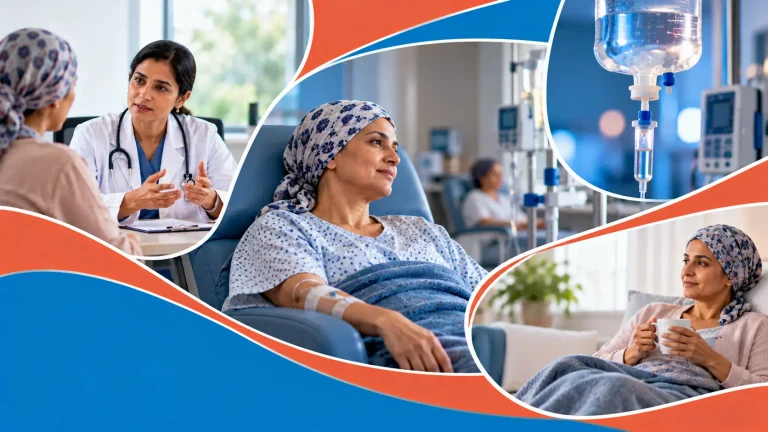
Once you know the routine, the first time walking into the infusion suite is much less intimidating. Most centers, including Wockhardt’s oncology units, follow a similar structured process, such as:
- Check-In and Vitals: A nurse will take your blood pressure, temperature, and weight and review recent blood reports.
- IV line Placement: Medication is given directly into the bloodstream through a cannula or, in some patients, a port.
- Pre-Medications: Anti-nausea medications and occasionally steroids or antihistamines are administered first to prevent reactions and lessen illness.
- Discharge: When the infusion and observation period is finished, you can leave and go home, usually with written instructions and emergency phone numbers.
Most patients report that the day itself is long but not painful during this chemotherapy cycle. The wait is often worse than the infusion itself, and having the right oncologist in Nagpur guiding the process makes the day far easier to get through.
Chemotherapy Side Effects: A Realistic Timeline
This is the part that virtually every patient is looking for, and understandably so. Not all chemotherapy side effects happen all at the same time. They tend to follow a fairly predictable pattern over the days after your infusion.
| Days After Infusion | What You May Notice |
| Day 1 | Mild drowsiness or a wired feeling from steroids. Nausea is usually controlled by pre-meds. |
| Days 2–5 | Peak fatigue, possible nausea, taste changes, mild constipation or diarrhea. |
| Days 7–14 | Lowest point for blood counts (called the nadir). Higher infection risk, tiredness. |
| Weeks 2–3 | Hair thinning or shedding typically begins during this window. |
| Final week of cycle | Gradual recovery of energy and blood counts before the next cycle begins. |
Some effects are far less talked about but just as important to know:
- Days 7-14 are the nadir period, when your immune system is at its weakest. A minor fever at this point is an emergency, not something to wait and see about.
- Chemo brain is real. Many patients experience mild memory loss, difficulty focusing, or difficulty finding words. These chemotherapy symptoms typically get better over time.
- Not all chemotherapy side effects show up on cycle one. Some side effects, like neuropathy (tingling in hands or feet), build up slowly over several cycles rather than showing up straight away.
- Taste changes are frequent but transient. Food may taste bland or metallic. These usually go away a few weeks after treatment is completed.
Managing Side Effects at Home
You can noticeably improve your mood in between chemotherapy sessions by developing a few consistent habits:
- To help flush medication by-products and relieve constipation, drink 1–2 liters of water a day.
- If you have nausea, try eating small, frequent meals rather than large ones
- Take short walks to counter rest. Complete inactivity can often worsen fatigue rather than improve it.
- Record your energy levels, appetite, and any new symptoms in a chemotherapy side effects journal so you can talk to your oncologist about them.
- Use gentle, fragrance-free skin care products because treatment may make your skin more sensitive.
- Talk to your care team before taking any over-the-counter medication, supplement, or herbal remedy.
Diet and Food Safety During Chemotherapy
Nutrition is one of the most studied and confusing parts of chemo. Food choice during treatment is as important as food safety because your immune system is weakened, especially during the nadir period.
What to consider during your chemotherapy:
- Begin each meal with protein-rich foods to help repair tissue and maintain strength.
- Small, frequent meals rather than three large ones, particularly if nausea is a problem.
- Fluids are between meals, not with meals. You don’t want to feel too full too fast.
- Freshly made, well-cooked food is preferable to anything left out for hours.
What to avoid during chemotherapy treatment:
- Meat, fish, and eggs, including sushi and soft-boiled eggs, that are raw or undercooked.
- Raw milk, soft cheeses like brie or feta, and fresh unpasteurized juices.
- Food served buffet style, sold as street food, or held at room temperature for more than two hours.
- Always check with your oncologist before starting any new supplement or herbal product.
A simple rule many patients find useful: if you wouldn’t confidently serve it to a newborn, skip it during your low-immunity days.
Emotional Health and Caregiver Support
Chemotherapy has an equal impact on mental and physical health, but this aspect is rarely thoroughly explored. Anxiety before each chemotherapy cycle, mood swings, and moments of frustration are quite normal and do not indicate that you are “not coping well.
For patients:
- It’s common to experience anticipatory anxiety in the days preceding each session.
- You can identify patterns and have meaningful conversations with your oncologist about them by keeping a simple chemotherapy side effects journal.
- Even informal peer support groups often do more good than generic advice from people who haven’t been through treatment.
For family and caregivers:
- Don’t say just stay positive. Instead, find out what would be beneficial on the day of chemotherapy.
- Help with mundane tasks (meal prep, transportation, scheduling) takes a lot of mental load off your plate.
- Caregivers are under real emotional strain, too. It’s ok to ask for support instead of just giving it.
Cancer treatment is as much an emotional journey as it is a physical one, and to acknowledge that openly, with your care team and your family, often makes the whole process easier to carry.
How Many Chemotherapy Cycles Will You Need?
A chemotherapy cycle varies widely depending on the type and stage of cancer and the drug protocol your oncologist selects. While some patients can finish chemotherapy in as little as four cycles, others may require six, eight, or more cycles spread over several months.
Your oncologist will periodically reevaluate your response using blood work and scans, modifying the plan as necessary. This is normal and does not necessarily mean chemotherapy is not working.
Preparing for Your Next Cycle
A chemotherapy cycle can go a lot smoother with a little prep work before each session:
- Plan transportation, as some pre-meds can make you drowsy.
- Wear loose, comfortable clothing that gives you easy access to your arm or port during chemotherapy.
- Please bring a light snack and water bottle for the wait time.
- Bring a book, headphones, or something to help pass the time during the longer infusions.
- Ask your care team about scalp cooling caps if hair preservation is a priority for you
- They usually check counts before a new chemotherapy cycle, so confirm your next blood test date.
Finding the Right Oncology Care
Having the right care team that lays everything out and is available in between sessions helps make the beginning of chemotherapy easier.
If you’re in Gujarat, Wockhardt Hospitals offers chemotherapy in Rajkot with an experienced team of medical oncologists who will help you plan your treatment, infusion care, and manage side effects during the process.
An oncologist in Nagpur, Wockhardt Hospitals, is also ready to help you through every cycle in Maharashtra.
Frequently Asked Questions
1. Is the first round of chemotherapy really hard?
Chemotherapy may feel hard in the upcoming rounds because its effects are quite cumulative and build up over time.
2. What are some good signs that chemotherapy is working?
You can ask for clinical tests and blood tests from your doctors to confirm if a chemo is working. In most cases, you will feel less pain and reduced swelling.
4. Will I feel sick after the first day of chemotherapy?
There are chances that you may fall sick after the first day of chemotherapy because doctors may give you certain drugs. These anti-nausea medications can affect you a little.
5. How many rounds of chemo is normal?
Most individuals receive around 4 to 8 cycles of chemotherapy, which usually takes 3 to 6 months to complete.
6. What organ is most affected by chemotherapy?
It’s usually your bone marrow that is the most affected by chemotherapy in the majority of cases. The digestive tract and hair follicles are the other vulnerable areas.
7. Can chemo affect your private parts?
Yes, there are high chances of chemotherapy affecting your private parts. It often leads to dryness, burning, itching, or sores in the vulva and vagina. The damage also happens in the ovaries, lower estrogen levels, and trigger temporary or permanent menopause symptoms.