Latest Blood Articles | Wockhardt Hospitals

ARTICLES ON Blood

Latest Articles on Blood

Don’t let blood clots block your life! Keep life flowing!

World Thrombosis Day is celebrated every year on the 13th of October. This year Wockhardt Hospitals in Nagpur emphasizes the need to be alert and recognize the early warning signs of thrombosis before it becomes worse. Early diagnosis and the right treatment can help us save many lives. According to recent reports, 1 in 4 people worldwide dies of thrombosis every year, which is much more than the deaths due to breast cancer, prostate cancer, and bike accidents. It is a leading cause of global death and disability. Thrombosis is a preventable underlying cause of the top three cardiovascular killers: heart attack, stroke, and venous thromboembolism (VTE) informed Dr. Gunjan Loney, Consultant- Haematology-Haemato-oncology. What causes thrombosis? Anything that prevents your blood from flowing properly might cause a blood clot. Thrombosis is the formation of a clot in the artery or vein. A clot blocks normal blood flow and can get detached and travel to an organ. The disease has come under the spotlight in the past couple of years owing to it being one of the side effects of COVID-19. In rare cases, people have developed the condition after receiving COVID vaccines as well. What are the Symptoms of thrombosis? Deep vein thrombosis (DVT) – pain, swelling, tenderness redness, discoloration, and warmth in the leg, particularly in the calf.Lungs – Pulmonary embolism (PE) – shortness of breath, chest pain, rapid heart rate, lightheadedness or passing out, coughing up blood.Heart – Heart attackBrain – Stroke What are the Risk factors? For females: What are the preventive measures? Dr. Gunjan LoneyConsultant: Haematology, Haemato-oncologyWockhardt Hospitals, Nagpur To book an appointment call: +918605604444 Source: https://thelivenagpur.com/2022/10/12/dont-let-blood-clots-block-your-life-keep-life-flowing/

Read More

No Blood In The Body For 44 Minutes

The human body can tolerate 30 minutes of total circulatory arrest (No blood flowing in the body) at a core temperature of 18 degrees Celsius without tissue damage. Case Details: A 45-yrs-old-gentleman from Nagpur who complained of atypical chest pain and breathlessness was referred to Dr. Sameet Pathak (Cardio-Thoracic and Vascular Surgeon) at Wockhardt hospital by a local physician. The patient was investigated thoroughly and diagnosed to have a large pseudoaneurysm (abnormal swelling) arising from ascending aorta (Large blood vessel). This pseudoaneurysm was of size7cm x 7cm x 5 cms in dimension and was eroding the sternum (breast bone) from below. It was partially filled with an organized blood clot and its wall was also calcified at places. Pulsations from the aorta could be felt over the breast bone. This problem requires urgent surgical intervention as sudden rupture of this aneurysm is always fatal. Hence, the patient and relatives were counseled regarding the need for surgery and its possible complications. Surgical Procedure Details: Opening the breast bone is usually the first step in cardiac surgical procedures. But in this patient, it was not at all possible because the pseudoaneurysm was touching the breast bone from below and could have ruptured instantly. Hence, this surgery was done by a very special technique called the Deep Hypothermic Circulatory Arrest. In this technique, both femoral artery and vein (groin blood vessels) were cannulated and the patient was put on the cardiopulmonary bypass machine. Cooling of core temperature was initiated gradually from 36 degrees to 18 degrees Celsius. At this temperature, the heart stops beating. Once an 18-degree core temperature was achieved, the circulation was completely stopped and whole blood from the patient’s body was drained in the venous reservoir of the heart-lung machine. So practically no blood was flowing in the patient’s body. But the vital organs are not damaged because the oxygen requirement of the body is extremely low due to the lowering of its core temperature. But this Golden Period of total circulatory arrest is approximately 30 mins. Keeping that in mind, as soon as the circulation was stopped the breast bone was split open and all the organized blood clot was removed, the neck of the pseudoaneurysm was identified. Immediate repair of the ascending aorta was done using the Dacron patch and Prolene suture. Just before the last stitch was tightened the circulation was restarted from the femoral artery and the whole aorta was de-aired to avoid air embolism. Re-warming of the patient was started and the slowly optimal core temperature was achieved and the heart started beating happily again. The total circulatory arrest time was 44 mins. Post-Surgery: Hemodynamically he made an uneventful recovery with no bleeding issues. He developed transient neurological injury which gradually improved. It’s been a year now and he still comes for regular follow-up and is doing well. Dr. Pathak said, this procedure is very rarely performed and very few cases like this have been reported to date in the literature. The usual causes of such swelling of the blood vessel are atherosclerosis, hypertension, connective tissue disorders, and trauma. The deep hypothermic circulatory arrest is the only technique by which this high risk Surgery can be successfully managed. Dr.Sameet PathakMBBS, MS (General Surgery), M.Ch (CVTS)Consultant – Cardio Thoracic & Vascular Surgery

Read More

Patient Ignored Foot Pain, Got Blood Clots

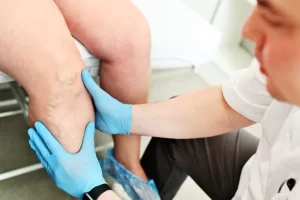
Ignoring the pain in the left leg turned into a nightmare for a 47-year-old businessman from Mumbai when he was diagnosed with the rare complication of deep vein thrombosis (DVT), a condition wherein blood clots form in the veins that are located deep inside the body. The situation came to a point where local doctors advised him for amputation of the leg. However, his leg was saved by the timely intervention of doctors at Wockhardt hospital by performing extensive skin grafting procedures. Mr. Rane (name changed) couldn’t concentrate on his work as he encountered unexplained foot pain and swelling in the left leg in 2016. He was diagnosed with DVT. He was taking regular medications and precautions for the same. But the Coronavirus lockdown turned into a nightmare for this patient as it aggravated his condition. Due to the long hours of sitting during the lockdown, he experienced foot pain in July 2020 and was unable to walk. The patient and his family panicked as his left leg turned black as he couldn’t get proper medical advice. Dr. Girish L. Bhalerao, Super Specialty Consultant Orthopaedic Surgeon, Wockhardt Hospital, said: “On admission, the patient was in septic shock, which is a serious condition that leads to infection throughout the body and one’s blood pressure drops as well.” Dr. Upendra Bhalerao, Cardiovascular and Thoracic Surgeon, Wockhardt Hospital, Mira Road, said: “DVT affects the legs and causes disruption in the vascular outflow. Delayed diagnosis and not treating the clot at the right time can lead to scar tissue in the wall, permanently damaging the deep veins.” “In serious cases, DVT causes a pulmonary embolism, a blood clot that travels to the lungs. In this patient, deep vein thrombosis treatment had led to necrosis of the entire circumference of his leg and caused a life-threatening infection,” added Dr. Upendra Bhalerao. Initially, the patient was stabilized and the infection was controlled. Once that was done, the skin necrosis was tackled by Dr. Shraddha Deshpande, Consultant-Plastic and Reconstructive Surgeon at the hospital. Dr. Deshpande said: “Post DVT, the skin of the leg was severely damaged and required extensive debridement. Immediate cover of such a large wound was necessary, hence a skin grafting procedure was performed for this patient.” “He also had necrotic skin patches in his thighs which were addressed later in stages. Due to his disease, his blood coagulation had to be monitored continuously to make sure there is no bleeding during this extensive surgery. Eventually, the patient has healed completely and can now walk pain-free,” said Dr Deshpande. “Leg pain snatched away my peace of mind over the years. But, during the lockdown, my condition worsened and my left leg turned black. I was embarrassed and would wear full pants so that the leg is not visible. It took a toll on my self-esteem as my left leg appeared discolored when compared to the right one,” said Mr. Rane. Source: http://www.drugtodayonline.com/medical-news/nation/12852-patient-ignored-foot-pain-got-blood-clots.html

Read More
Causes of Low Hemoglobin

Causes of Low Hemoglobin: Symptoms & Treatment

Your body needs oxygen and it is transported by the red blood cells. They also have a special element, hemoglobin, that helps them with the entire process. Unfortunately, the hemoglobin levels may drop at times and interfere with the body’s ability to receive enough oxygen. As a result, you feel constant tiredness, weakness, poor concentration, or shortness of breath. These symptoms often develop slowly in most cases and are often ignored unless you notice something is wrong with your body.  Only clear information about the causes of low hemoglobin count can help you recognize the early signs and understand when you need medical advice. Let’s look further into these details in this guide to also learn more about the treatment options associated with low hemoglobin levels. What is Low Hemoglobin? Hemoglobin is the protein present in your red blood cells. The red blood cells transport oxygen throughout your body. Oxygen is your energy source, and it fuels the cells. When your body’s capacity to produce red blood cells is hampered by a disease, the hemoglobin level can decrease. A low hemoglobin level is referred to as anemia, which can result from either a decrease in red blood cells or a reduced amount of hemoglobin in the circulatory system.  This condition limits the oxygen delivery to tissues through the blood, causing weakness, fatigue, and shortness of breath. Low hemoglobin common causes include iron deficiency that affects hemoglobin creation in the body, chronic disease, such as cancer or kidney failure where red placenta cell formation decreases, and severe bleeding due to injury or monthly periods.  Sickle cell anemia is also a genetic disorder that causes low levels of hemoglobin. What Should Be the Normal Hemoglobin Range? A hemoglobin normal range is different for both men and women. The range is generally between 14.0 grams per deciliter (g/dL) and 17.5 g/dL and between 12.3 g/dL and 15.3 gm/dL for women.  In men, a severely low hemoglobin count is 13 g/dL or lower. For women, it’s 12 g/dL. The causes of low hemoglobin count are common for both men and women, as discussed below. Causes of Low Hemoglobin Count Several factors can contribute to inadequate hemoglobin amounts, including:   The number of red blood cells your body produces is inadequate. The red and white blood cells form in your bone marrow. At times, diseases and ailments can lead to insufficient production or maintenance of red blood cells in your bone marrow. Long- term illnesses that impede the ability of blood to produce sufficient numbers of red cells can cause anemia. Iron, vitamin B12, and folate are essential nutrients, which participate in the synthesis of hemoglobin. Deficiency in any of these nutrients can lead to anemia. Among the inherited conditions that interfere with hemoglobin production or structure are sickle cell anemia, thalassemia, and others. Acute and chronic loss of blood can cause anemia. An accident, surgery, or childbirth may cause acute blood loss, whereas disorders, such as heavy monthly bleeding and gastrointestinal bleeding are followed by chronic blood. Reduced red blood cell production often results from deficiencies of bone marrow function, which could lead to aplastic anemia or myelodysplastic syndrome. Diseases like rheumatoid arthritis or inflammatory bowel disease interfere with erythropoiesis. During pregnancy, the female body produces more blood which helps to maintain a growing fetus. Anemia can develop if the demand remains higher than what the body is capable of meeting. Symptoms of Low Hemoglobin The severity and etiology of anemia influence its symptoms. A patient may initially have no symptoms from anemia due to its mildness. On the other hand, when the anemia worsens, symptoms of low hemoglobin often start to appear. It may not be easy to detect anemia symptoms if they are concealed by another illness. The possible signs for detection are: Feeling tired or weak even after rest  Difficulty in breathing during physical exertion or other activities  Skin, lips, and nails that may look noticeably pale or have a whitish hue  Feeling faint, dizzy, or having sensations of spinning Rapid or irregular heartbeat Cold hands and feet Growth problems in kids and teenagers Frequent headaches or migraines Chest pain or angina How Are Low Hemoglobin Levels Diagnosed? The correct way to diagnose the causes of low hemoglobin count is through blood tests. There is a stepwise approach associated with the entire diagnosis process, which generally starts with basic tests and then moves to specific investigations. Complete Blood Count Test This test involves analyzing the complete blood count or CBC and helps measure hemoglobin levels, red blood cell count, and other parameters. It also helps you find out how low the hemoglobin count is and provides more clues on the specific anemia type. Additional Blood Tests If a doctor finds out that a person has low hemoglobin levels, they may recommend going for further tests. This allows them to analyze vitamin B12 and folate levels, iron stores, kidney function tests, and other markers of inflammation that often indicate chronic medical conditions or nutritional deficiencies. Tests for Detecting Blood Loss Sometimes, doctors may recommend doing a stool test to find out the reason behind excessive or ongoing blood loss in the body. Imaging tests and endoscopic procedures can also help find out the causes of low hemoglobin count in this case.  Specialized Investigations Healthcare providers may ask for more investigations if the cause of a particular condition is not clear. This involves doing a peripheral blood smear to examine the size and shape of the red blood cells. In rare cases, they may also recommend a bone marrow examination to evaluate blood cell production. Treatment of Low Hemoglobin Your anemia type will determine how you are treated. Following are the common treatment of low hemoglobin:  You may require medicine, blood transfusions (where you receive blood from another person), or a bone marrow transplant (where you receive stem cells from a donor) if you have aplastic anemia. You may require medicine to suppress your immune system if you have hemolytic anemia. A doctor

Read More

Benefits of Blood Donation

Blood donation is good for the health of donors as well as those who need it. Donating blood can help in treating patients suffering from cancer, bleeding disorders, chronic anaemia associated with cancer, sickle cell anaemia, and other hereditary blood abnormalities. It is important to know that human blood cannot be manufactured, people are the only source of it and that is why it is important to donate blood and help those who need it. A variety of tests are done prior to the blood donation for eligibility and to ensure safety. It is also possible to store your own blood for your future needs. Make sure the blood is stored at a good blood bank in you areas. Health Benefits of Donating Blood: Self-satisfaction that you helped someone Blood donation not only makes the receiver’s life good but also helps the donor to maintain good health. The health benefits of donating blood are mentioned below. Reduces iron overload in the body Health benefits of donating blood include reduced risk of hemochromatosis. Hemochromatosis is a health condition that arises due to excess absorption of iron by the body. This may be inherited or may be caused due to alcoholism, anaemia or other disorders. Regular donation of blood may help in reducing iron overload. Make sure that the donor meets the standard blood donation eligibility criteria. Lowers risk of cancer Blood donation helps in lowering the risk of cancer. By donating blood the iron stores in the body are maintained at healthy levels. A reduction in the iron level in the body is linked with low cancer risk. Maintains healthy heart liver Blood donation is beneficial in reducing the risk of heart and liver ailments caused by the iron overload in the body. This, in turn, increases the risk of cirrhosis, liver failure, damage to the pancreas, and heart abnormalities like irregular heart rhythms. Donating blood helps in maintaining the iron levels and reduces the risk of various health ailments. Promotes weight loss Regular blood donation reduces the weight of the donors. This is helpful to those who are obese and are at higher risk of cardiovascular diseases and other health disorders. However, donating blood should not be very frequent and you may consult your doctor before donating blood to avoid any health issues. Stimulates blood cell production After donating blood, the body works to replenish the blood loss. This stimulates the production of new blood cells and in turn, helps in maintaining good health. Blood donation can save a life.

Read More
Haematologists

Blood Disorder – Role of Haematologists

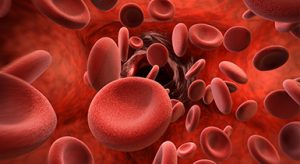
Haematology is the study of the blood and the doctor who evaluates patients with various blood conditions are called a haematologists. Blood as you are aware is composed of rbcs, wbcs, platelets and plasma and other components. The role of the haematologists is to evaluate these parameters to come to a diagnosis of blood disorder cases. The most common condition of blood disorder is anaemia. Apart from other conditions treated by a haematologists are blood cancers, haemolytic anaemias and bleeding disorders. In India, today anaemia today is seen in 55% of females and 30% of in males. The incidence of this is seen highly in elderly age group and 5years of age The general symptoms of anaemia include breathlessness, chest pain, palpations, and tiredness, headache and malaise. To determine anaemia complete blood profile (Haematology) is evaluated. The results vary from sex and age. We say that a person has anaemia if the Hb in males is less than 13 to 13.5 gram decilitre and in females if it less than 12 to 12.5 decilitre(female), in case of pregnant female is 11gms we say that the individual is anaemic. Anaemia is also seen in the elderly and 5years age group in children Generally in case of anaemia it is better to rule out all the causes of anaemia before taking iron tablets. That it is why it is imperative on visiting a haematologists to rule out the other causes. Taking iron for example in some cases in can cause iron to over load in some conditions. What are the most common causes of anaemia evaluated by a haematologists: Don’t ignore these signs and symptoms below which are associated with bleeding disorders: In case you are experiencing any of these symptoms please visit our haematologists at Wockhardt Hospital.

Read More
Group (24)

Mumbai Central: +912261784444

Group (24)

Mira Road: +912240543000

Group (24)

Nagpur: +917126624100

Group (24)

Rajkot: +912816694444

Second Opinion