Latest General Health Articles | Wockhardt Hospitals

ARTICLES ON General Health

Latest Articles on General Health

Emerging Technologies Aid in Managing Cerebral Palsy

Technology is helping every aspect of human lives. For cerebral palsy patients, simple apps are being developed, which help to improve their communication if they are facing speech problems. High-end medical technology in the form of computerised gait analysis, as well as special implantable medication pumps, are helpful for patients with cerebral palsy. On February 28, 2022, news broke out about the death of Zain Nadella the son of Microsoft Executive Chairman and CEO, Satya Nadella. Zain was only 26 six years of age at the time of his passing. Zain was born with cerebral palsy (CP). CP is a congenital disorder of movement, muscle tone, the posture that occurs due to the damage caused to the brain and accounts for the most common motor disability in childhood. According to the Centers for Disease Control and Prevention (CDC), in the year 2000, the prevalence rate of cerebral palsy in the US was 3.1 per 1000 children. A report by the Indian Institute of CP states that in India approximately 33,000 people suffer from cerebral palsy. They also report that when looking at the worldwide incidence rate, one in 500 born babies suffers from cerebral palsy. Early Detection Can Prevent Morbidity Currently, there are no definitive tests to detect CP, but good nutrition, proper medical care and rubella vaccination before pregnancy can prevent the chances of the child developing cerebral palsy. There are also many soft signs of CP which can be picked up at early stages. If these are picked up on time and appropriate treatment is instituted, morbidity can largely be prevented. “Early detection of cerebral palsy is crucial for early initiation of therapy which can significantly improve motor and cognitive outcomes in these children. Regular checkups by child healthcare nurses and paediatricians can help in picking up these patients early. This is helped by using various motor assessment or performance scales and neurological examination and where indicated (based on clinical evaluation) MRI(BRAIN),” said Dr Prashant Makhija, Consultant Neurologist, Wockhardt Hospital. Morbidity of Cerebral Palsy with Other Disorders Research is still ongoing for the treatment of CP, multidisciplinary treatment is currently most effective in managing CP. Dr Vaidehi Dande, shared, “Early intervention therapy improved the outcome to a great extent. This involves identifying babies at risk of CP as early on as possible and facilitating their brain function by stimulating special senses. This involves the provision of auditory, visual, smell and tactile stimulation. Facilitating postures and regular physiotherapy goes a long way in helping these children gain milestones faster. Hearing deficits can be dealt with using cochlear implants. Such children also commonly develop seizures and epilepsy and a lot of new drugs can be used to control the seizures. Various orthoses and prostheses are greatly helpful in enabling these children to do their day to day activities.” Dr Nisha Deshpandey, added, “Caseness of other disorders is found more in patients suffering from cerebral palsy. Many children suffer from epilepsy and mental retardation. About 25 per cent of children with cerebral palsy might have an intelligence quotient (IQ) of less than 50. Typically, the infant or child might reach developmental milestones (like rolling over, neck control, sitting, crawling etc) later than other children. Autism spectrum disorder is also very prevalent among children suffering from cerebral palsy. Other mental health problems are also highly prevalent among them. Assistive Tech Therapies in Treating CP Technology is helping every aspect of human lives. For cerebral palsy patients, simple apps are being developed, which help to improve their communication if they are facing speech problems. High-end medical technology in the form of computerised gait analysis, as well as special implantable medication pumps, are helpful for patients with cerebral palsy. Elucidating in detail about these assistive technologies, Dr Saurabh Chopra, mentioned, “Besides children with very severe damage or malformation of the brain, most patients with cerebral palsy benefit significantly from rehabilitation programmes and therapies including neurodevelopmental therapy. Although stem cells may hold promise as a research modality to prevent cerebral palsy currently there are no benefits of using stem cells in children already affected by cerebral palsy.” “Technology in cerebral palsy is helpful mostly in rehabilitation. They have the potential to improve the ability of individuals with cerebral palsy to perform activities and increase participation. Robotics and virtual reality may improve movement by maximising exercise dose, providing feedback and motivating users. Augmentative and alternative communication technology is facilitating communication. Robots can help with self-care and provide motivation and instruction in rehabilitation programmes. Mobile applications can provide educating resources,” added Dr Darpan Thakre. Commenting on how newer therapies are proving to be beneficial for children afflicted with CP, Dr Usha Mallinath, said, “Smaller, more portable rehabilitation technology has the potential to improve the ability of individuals with cerebral palsy to perform activities and increase participation. The application of advanced technologies in paediatric rehabilitation to improve performance and enhance everyday functioning has shown considerable promise. Robotics and virtual reality may improve movement by maximising exercise dose, providing feedback, and motivating users. Augmentative and alternative communication technology is facilitating communication. Robots can help with self-care and provide encouragement and instruction in rehabilitation programmes. Mobile applications can provide education and resources. Many parents report that the condition of the child deteriorates with time. Cerebral palsy might be mistaken with other progressive neurological disorders because of the apparent change in pattern and severity of movement problems. However, in cerebral palsy, the underlying neurological problem does not worsen. Most of the children with cerebral palsy are born with the condition. However, the symptoms might not necessarily be visible at birth. During the first few months of life, the symptoms may get more noticeable. Good nutrition, regular antenatal visits, hospital delivery, availability of neonatologists at the time of delivery please ensure the adequacy of feeding after birth and providing a clean and hygienic environment to the newborn. Prevention of prematurity and low birth weight, good medical and neonatal intensive care facilities to provide medical care for sick babies. Particular mention of

Read More

Why It is Dangerous To Suppress a Sneeze

Sneezing may be unpleasant, but you may face some potential complications if you suppress it. During the Covid-19 pandemic, one dare not sneeze in public, not even with their mask on! Isn’t it? But Covid-19 or not, some people just generally try to hold their sneeze in if they are with someone or in a professional space. So, sometimes stifling a sneeze may seem appropriate, but a study recently published research report showed the damage that suppressing a sneeze can do.  If simply put, holding your sneeze is dangerous because of the energy it produces. A sneeze generates a significant pressure and when you hold the pressure, it can cause a rupture of your eardrums, irritation of the throat, and even in severe cases, rupture of blood vessels in your eyes or brain.  1. Eardrum ruptures Sneezing is capable of causing middle and inner ear damage, including a ruptured eardrum. “If you tend to hold in the high pressure that gets built up in your respiratory system before sneezing then some air can go into your ears too. This pressurized air further goes into the tube in each of your ears that connects to the middle ear and eardrum that is known as the Eustachian tube. Thus, the pressure can lead to the rupture of your eardrum and there will be hearing loss,” Dr Pritam Moon, consultant physician, Wockhardt Hospitals, Mumbai, tells HealthShots.  2. Infection Another reason why you should never avoid sneezing, especially if you are suffering a cold, is to release the yellow nasal discharge from the body. Dr Moon says, “Sneezing allows you to clear the nose of anything that shouldn’t be present there, including the bacteria. Holding a sneeze leads to the redirection of air back into your ears from your nasal passages that carry bacteria or infected mucus to your middle ear inviting an infection. You may be required to take antibiotics to manage that middle ear infection.” 3. Broken ribs “When you hold a sneeze, the high-pressure air is forced into the lungs with a lot of force, and this can lead to the breaking of your ribs,” says Dr Moon.  Why do we sneeze? Sneezing is a mechanism you use to clear your nose. When foreign particles like pollen, dust, or smoke enter your nose, they may interact with your nasal passage. If this happens, an electric signal gets sent to your brain to inform it that it’s time for a sneeze. The act of sneezing forces water, mucus, and air from your nose quickly.  Although risks of holding in a sneeze are low, still there are chances that it could lead to consequences. So never ever hold on to your sneeze!  Dr Pritam Moon, Consultant physician, Wockhardt Hospitals, Mumbai Source: https://ke.opera.news/ke/en/health/e016dbf7908c1072e164b526687e77fd

Read More

Risk Factors is Key to Surviving Cerebral Palsy

The passing away of Microsoft CEO Satya Nadella’s son has brought the focus back on cerebral palsy, a condition the 26-year-oldsuffered from. The passing away of Microsoft CEO Satya Nadella’s son has brought the focus back on cerebral palsy, a condition the 26-year-oldsuffered from. The prevalence of cerebral palsy, which is characterized by motor impairment and incoordination, in Western countries is estimated to be 2.4 per 1,000 children. According to a study published in the Journal of Pediatric Neurosciences, the prevalence is expected to be higher in India owing to poor infrastructure of health care services. “One of the main risk factors for cerebral palsy is birth asphyxia . If we can ensure institutional or supervised delivery, this risk and, therefore, the chances of cerebral palsy will reduce,”Dr Shefali Gulati, said. In 2019, the doctors from the department of paediatrics at Lady Hardinge Medical College and Kalawati Saran Children’s hospital, conducted a study to find out the risk factors associated with the disease. It involved a detailed history taking and clinical examination of 160 children in the age group of 2-15 years who suffered from cerebral palsy. It was found that the most common etiology or risk factor was birth asphyxia (41.9%). Birth asphyxia happens when a baby’s brain and other organs do not get enough oxygen during or right after birth. “Most common risk factor of cerebral palsy is birth asphyxia; thus, by improving healthcare facilities, its incidence can be reduced,” the researchers pointed out. Other risk factors associated with cerebral palsy are neonatal sepsis or meningitis, prematurity, twins, pathological jaundice, and kernicterus (a type of brain damage that can result from high levels of bilirubin in a baby’s blood), the study found. Dr Prashant Makhija, consultant neurologist at Mumbai’s Wockhardt Hospitals, said cerebral palsy as the name indicates manifests as limb weakness (palsy) due to brain damage (cerebral). Symptoms, he said, vary depending on the severity of brain damage. “Spastic cerebral palsy is the major type which results in weakness of the limbs along with stiffness of the limb muscles (spasticity), there may also be speech and swallowing difficulties. Some may face issues with limb coordination (ataxia) and some may also have abnormal limb movements. In addition to the weakness, stiffness, coordination and speech/swallowing issues faced by the child, additional symptoms include (not seen at all)—intellectual disability, vision and hearing problems,” Dr Makhija said. He added that treatment is largely supportive in the form of speech/swallow therapy, physiotherapy, occupational therapy. “Depending on the severity, some interventions can be done to control the stiffness (spasticity) of the limbs— Botulinum toxin injection and anti-spasticity medications,” Dr Makhija said. Early recognition of the problem and early initiation of therapy can significantly help in overcoming the disability associated with the disease, the neurologist said. Source: https://health.economictimes.indiatimes.com/news/industry/why-tackling-risk-factors-is-key-to-surviving-cerebral-palsy/89934656

Read More

Is Stevia A Good Alternative For Sugar? Hear From The Experts

Stevia is a natural sweetener that is associated with various health benefits. But it has some potential drawbacks. Stevia is a popular alternative to sugar, particularly used by people who have diabetes or poor blood sugar control. As it is extracted from the leaves of a plant, stevia is essentially calorie- and carb-free. Stevia has been linked to several health benefits, including weight loss, blood sugar management, and reduced risk of diabetes and heart disease, when used as a replacement for regular sugar. However, it has some potential drawbacks. Get to know more about the benefits and downsides of using stevia as a sugar substitute from the experts. “Studies have shown that stevia is reasonably safe. But still, most diabetologists do not recommend routine use of stevia as patients usually get acquainted with the sweetness and they tend to take sweeter substances when stevia is not available. So, stevia use should be minimized and avoid using it on a regular basis,” stated Dr. Dilip Gude, Consultant Physician, and Diabetologist. Use stevia in moderation Too much consumption of sugar or other sweeteners can give you tummy trouble, but stevia can be a good option, said Dr. Pritam Moon, consultant physician, and Diabetologist, Wockhardt Hospitals, Mira Road, Mumbai. He continued, “Stevia is a natural sweetener that is associated with various health benefits like lower blood sugar levels. Thus, it can be helpful for diabetic patients. Yes, that’s right! Stevia has fewer calories when compared to other sweeteners or sugar and will help in weight management. If you are on a weight-loss mission, then stevia is a good option for you. You can certainly make stevia a part of your diet as it is safe to consume and help those with diabetes and obesity.” But it is always a good idea to ask an expert before using it. “When you start using it, have it in moderation that is in the quantity suggested by the expert. Going overboard on it can lead to side effects like low blood pressure. So, be alert while using it,” Dr. Moon cautioned. Why do you want to substitute stevia for sugar? Dr. Kajal Pandya Yeptho, Chief Dietician, said that she personally would not advise the use of stevia unless the reason for substituting it with sugar is known. “Both stevia and sugar are taste enhancers. Sugar gives empty calories and stevia gives no calories. But the reason for replacing stevia for sugar is to be understood and in which food items as the associated food items will also provide calories. I personally would not advise unless the reason for substitution is known.” Some facts about stevia Stevia is extracted from the leaves of the Stevia rebaudiana plant. The leaves contain steviol glycoside molecules, which give stevia its sweet taste. The glycosides are known to be 250 300 times sweeter than regular sugar. Stevia sweeteners are made by extracting the glycosides from the leaves. With stevia sweeteners, very small amounts are needed to sweeten food or drinks. But you can also find many stevia products that contain additional ingredients, such as fillers, sugar alcohols, other sweeteners, and natural flavors. So, it is advisable to read the label and choose products that only contain 100 percent stevia extract. Dr. Pritam MoonConsultant Physician, and DiabetologistWockhardt Hospitals, Mira Road, Mumbai. Source: https://www.thehealthsite.com/fitness/diet/is-stevia-a-good-alternative-for-sugar-hear-from-the-experts-863186/

Read More

Challenges in TAVI surgeries in India

Transcatheter aortic valve implantation or TAVI is a new non-surgical procedure in which the aortic valve can be replaced without major open-heart surgery. Aortic valve is one of the four valves in the heart. This valve located on the left side of the heart facilitates the forward flow of oxygen-rich blood from the heart to the aorta and thereafter to other parts of the body. Degenerative Aortic stenosis is a disease of the elderly where the surgical risks would be prohibitively high. In this procedure, the valve is accessed through an artery in the leg. It’s a boon for the octa-nonagenarians who till now had to choose either to go in for a high-risk open-heart valve replacement surgery or a curtailed life. While this therapy is established as the standard of care in the west, there are few challenges for this therapy in India. For the TAVI procedure, there is knowledge, attitude, and practice gap because of which the procedure has failed to gain acceptance. TAVI is being used in the west for more than a decade and has undergone the rigors of carefully conducted medical trials and approval by the stringent USFDA norms. Large-scale trials have shown that TAVI is safer and more efficacious in a high-risk subset of patients. Recently, USFDA has given approval even for low-risk subsets after the result of a few landmark trials. Unfortunately, the knowledge of TAVI as an established form of treatment- even among medical colleagues is dismal. Most think of it as some sort of experimental procedure, which is not true. The procedure required specialized training, practice, and a qualified team of interventional cardiologists, anesthetists, and nurses. Even in a megapolis like Mumbai, a handful of interventional cardiologists are certified to do this procedure independently. The pandemic also played a role as many international proctors (Trainers) couldn’t travel to Mumbai. Likewise, Indian cardiologists couldn’t go abroad or have workshops in the country due to restrictions. But things are looking up now as more and more independent TAVI operators are growing in Mumbai and suburbs Another hindrance due to which the procedure has not found wider application is the cost. The average cost of the entire procedure ranges from 19 to 28 lakhs depending upon the valve used, the procedural fees levied by the surgeon, and the hospital setting. This makes TAVI out of reach of most Indians. Many insurance companies don’t provide cashless facilities or reimbursement for the entire cost of the procedure. The challenges are multiple but the gaps in further wider acceptance should be addressed to make it available to those who need it the most. Dr. Ankur Phaterpekar,Consultant Interventional Cardiologist ,Wockhardt Hospital Source: https://www.expresshealthcare.in/news/challenges-in-tavi-surgeries-in-india/433518/

Read More

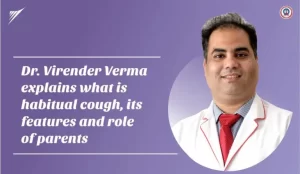
Habit Cough: Causes & Treatment

You must have encountered a simple but troublesome problem with your child. The kid keeps on coughing in small bouts, which are generally not severe but a cause of concern for the parents. The parent seeks medical advice multiple times. Fill the child with multiple cough syrups, expectorants, or antibiotics, but with little relief. What is a Habit Cough? It is a cough that occurs in the absence of any underlying disease. Most frequently it affects school-age children, usually those in the age group of 4-11yr. Causes of Habit Cough It is usually loud, harsh, honking, or barking. It may follow a viral illness, but go on for weeks, months, or even, in extreme cases, years. It can occur many times in a minute and often becomes more severe when other people, such as parents, teachers, and health care providers, are around. Even though the habit of cough can sound harsh, the child is quite comfortable between coughing bouts unless he has a conversion disorder. Classically, a habit of a cough only occurs when the child is awake. Habit cough is not associated with breathing difficulty or wheezing (musical sounds while breathing). A specific character about cough is that the parent of the child is either over concerned or they scold the child a lot. The child is generally a pampered one. Treatment Plan and Role of Parents By Dr. Virender Verma Consultant Neonatologist Wockhardt Hospitals, Mira Road

Read More

Don’t Ignore Nose Dripping, Don’t Ignore Sinus; Look Out For These Symptoms

Your dripping nose making it difficult for you to concentrate on your daily activities? Does your stuffy nose refuse to get better? Then, it is the right time to consult the doctor as this can be owing to a sinus problem which is also called sinusitis. Yes, that’s right! It will be the need of the hour to tackle this bothersome symptom of the sinus and lead a healthy life. Untreated sinus is painful and disrupts the daily routine. Read on to know more about this and just take care of yourself. Did you skip your important presentation owing to a cold and stuffy nose? Are you unable to carry on with your daily activities due to a dripping nose? Embarrassed during a meeting due to the dripping nose? Is the color of the sputum changing? Then, it is alarming and needs a thorough evaluation. This is commonly seen during sinus or sinusitis problems. Here, we brief you about the sinus infection, causes, symptoms, treatment, and prevention. What Is The Sinus? Did you know? A sinus infection occurs when the fluid builds up in the air-filled pockets in the face (sinuses) and encourages the growth of germs. Viruses lead to most sinus infections, but bacteria can also cause some sinus infections. There are a majority of people who encounter this problem. Risk Factors Certain factors such as having a previous cold, suffering from seasonal allergies, smoking, and secondhand smoke, structural nose problems like nasal polyps, and a weak immune system can make you fall prey to sinus problems. Structural nose problems like deviated nasal septum ( bone), nasal polyps, and weak immune system. Symptoms Those having sinus problems will showcase symptoms such as runny nose, stuffy nose, facial pain or pressure, headaches, sore throat, cough, and even bad breath. It will be imperative for you to seek immediate medical attention once you notice the symptoms. So, if these symptoms tend to last for -4 days without any improvement then do not delay seeking treatment as your health can deteriorate further. Treatment The doctor will decide the line of treatment for you. You will have to take antibiotics as per the doctor’s advice. You can opt for a nasal spray, put a warm compress over the nose and forehead, and take steam from time to time. Tips To Prevent Sinus Problems Clean your hands before touching the face, take flu and pneumococcal vaccine, avoid coming in contact with those who have colds and other infections or allergies, avoid smoking and secondhand smoke, opt for a humidifier at home to breathe freely. Source: https://www.thehealthsite.com/diseases-conditions/sinusitis/dont-ignore-nose-dripping-dont-ignore-sinus-look-out-for-these-symptoms-850645/

Read More

Air Pollution Can Play Havoc with your Eyes

As post-Diwali air pollution continues to make news and raise concerns, it is important to safeguard ourselves from the side-effects of toxic pollutants that can cause respiratory disorders, lung cancer, brain or kidney damage, and heart disease in long run. Higher levels of air pollution, in general, can lead to eye conditions like conjunctivitis, eye irritation, or dry eye. A dry eye is a condition where your eyes don’t produce enough tears to lubricate your eye. “Effect of air pollution or eyes manifestation of air pollution can range from minimal symptoms to chronic discomfort and eye irritation. Common symptoms include itching, irritation, chronic discomfort, dry eye syndrome,” says Dr. Sheetal Ballal. Symptoms are higher among contact lens wearers. Poor air quality can accelerate pre-existing dry eye disease, she says. Apart from the above-mentioned eye conditions, high levels of air pollution can also increase the risk of age-related macular degeneration as the pollutants may enter the bloodstream and damage the small blood vessels within the eye. Studies also suggest that pollution can increase our risk of developing an eye condition called glaucoma that can cause blindness. Can Pollution Lead to Permanent Loss of Vision? There have been instances when people have lost their eyes due to eye allergies, one of the conditions that occur due to air pollution. “Pollutants are very common causes for eye allergies and dry eyes. Disruption of the protective atmospheric UV layer increases the risk of retinal damage (ARMD) and visual loss. One of my young patients, an 18-year-old girl lost one eye permanently. She had developed eye allergies. She had shifted to Mumbai from her hometown. We had asked her to use steroid eye drops for 1 week and to follow up but she self-medicated and came after 6 months with glaucoma and permanent loss of vision in one eye,” says Dr. Sandeep Kataria, Consultant Ophthalmologist, Wockhardt Hospitals. Moving away from the polluted environment can improve eye health and benefit people with eye allergies. “I see patients’ eyes getting better when they go to their home town during summer vacations. That’s really powerful proof. I also saw a marked decrease in eye allergies during the covid lockdowns,” he adds. Protecting Eyes from Air Pollution Dr. Kataria and Dr. Ballal suggest ways to protect your precious eyes from the harmful effects of pollution Source: https://www.hindustantimes.com/lifestyle/health/air-pollution-can-play-havoc-with-your-eyes-here-s-how-101636539644755.html

Read More
Drinking Water

Mistakes to Avoid While Drinking Water

Hydration is extremely important to keep your body functions running efficiently. But what if your drinking water habits are not right? If vitamins, minerals, protein, fats, water, and carbohydrates are essential for survival, so is water. It not just keeps us hydrated, but ensures that our body functions properly. No wonder that health experts advise us to drink at least eight to ten glasses of water every single day.  When it comes to drinking water, the ample quantity is not enough to take care of. You should also know the right way to drink water for better health. Most of us make common mistakes such as drinking water while standing, and these kinds of mistakes can put us in trouble.  Here are 4 Mistakes to Avoid While Drinking Water: 1. Do not drink water while standing Aren’t we all just used to sipping on water while standing? Although you might have never thought about whether this is the right way to drink water or not, you may have been reminded by your elders at least once that water must be consumed when you are in a sitting position.  Dr Pritam Moon, consultant physician, Wockhardt Hospitals, Mira Road, tells HealthShots, “One’s nerves get tensed while drinking water when standing. It can disturb the fluid balance, and cause indigestion.” In fact, Ayurveda also refuses to stand and drink water. Because by doing so water goes to the lower part of the stomach, and we will not get nutrients. 2. Avoiding gulping water quickly Whenever we are in a hurry, we try to drink water in one breath as much as we can. But it’s harmful. “If you are in a hurry, just do not gulp the water as the impurities in the kidney and the bladder can accumulate below. Just have small sips of water to aid digestion,” says Dr Moon. Therefore, it is advisable to have water slowly as it has various benefits. 3. Avoid drinking water just before the meal Ayurveda says that your stomach should be filled with 50 percent food, 25 percent water, and 25 percent should be left empty for the digestive process. That’s why drinking water just before eating a meal is not a great idea. “Doing so can make you feel fuller, and then you will not be able to eat enough food. You will not be able to get the right amount of nutrition and this can even disrupt digestion. Then, you may also get problems like nausea and constipation,” says Dr Moon. 4. Adding artificial sweeteners Artificial sweeteners may contain zero calories but studies have shown that may promote weight gain and risk of certain health conditions. Not just that, sugar increases your body’s water needs due to the amount of water required to metabolize sugar. So, while sugary drinks may taste refreshing at first, they can actually be dehydrating. Dr Moon says, “If you are one of them who tends to add any artificial flavors or sweeteners to the water, stop doing that right away. Try to avoid anything with sugar, high fructose corn syrup, aspartame, or sucralose. Instead of that, you can opt for lemon, mint, or herbs.” Now that you know, don’t repeat these mistakes now! Source: https://www.healthshots.com/preventive-care/self-care/common-mistakes-people-make-while-drinking-water/ FAQs on Gulping Water Q. How to drink water correctly? Sit or stand upright while drinking water, and try not to consume it too quickly. Drink water at room temperature and gently to facilitate digestion. Water should be consumed before and after meals, but not when standing. Q. Is gulping water bad for you? Gulling down a lot of water might result in bloating, pain, and potential digestive problems. To ensure optimal absorption and avoid any pain, it is recommended to sip water gradually. Q. Is it better to take small sips of water? Small sips of water are better as they provide for adequate hydration without overloading the body. Compared to gulping it down rapidly, sipping water gently promotes excellent absorption and avoids bloating or discomfort. Q. Is sipping water better than gulping? It is indeed preferable to sip water rather than consume it rapidly. As your body has more time to properly absorb the water when you sip rather than gulp, you may stay more hydrated and avoid pain and digestive problems. Take little, steady sips to remain adequately hydrated without overloading your system. Q. Is it better to drink water fast or slow? Water is best consumed slowly as opposed to quickly. Your body can absorb water more efficiently when you sip it gently, which leads to improved hydration. Drinking too quickly can cause bloating, discomfort, and problems with digestion.

Read More

Identify and Be Fast to Handle Stroke

Doctors have said that recognizing symptoms and quick treatment can tackle the cases of strokes, which are also gripping the youngsters. They added that stroke identification can be done with vital signs like Be Fast. B stands for trouble with balance, E for vision loss, F for facial expressions change, A for arm weakness and S for slurring speech. T stands for reaching a nearby hospital with stroke care facilities in time. A stroke happens when the blood supply to part of the brain is hampered, causing damage or death of the brain cells. There are two types of strokes, ischemic stroke that occurs due to the clot formation in the blood vessel supplying to the brain. The other one is haemorrhagic stroke, which is seen when the blood vessel supplying the brain ruptures causing leakage of blood into the surrounding brain. Nowadays, many youngsters are also diagnosed with this condition. Some of the risk factors for stroke in younger adults are smoking, heavy drinking, diabetes, obesity, illicit drug use, binge drinking, family history. In an event at Wockhardt hospital in Mumbai where stroke survivers were present, Dr. Pavan Pai, Neurologist, said, “Stroke is claiming millions of lives each year. It can happen anywhere and to anyone, so timely treatment is essential as every minute is precious.” He informed that around 230 stroke patients were successfully treated at Wockhardt Hospital from September 2019-September 2021. “Out of which, 144 were males, 86 were females. 23 patients in the age group of 31-40 years, 36 in the age group of 41-50 years, 59 patients in the age group of 51-60 years, 100 patients in the age group of 61-80 years, and 12 patients above 80 were successfully treated at the hospital,” he added. Source: http://www.drugtodayonline.com/medical-news/review/14225-identify-be-fast-to-handle-stroke-doctors.html

Read More
Group (24)

Mumbai Central: +912261784444

Group (24)

Mira Road: +912240543000

Group (24)

Nagpur: +917126624100

Group (24)

Rajkot: +912816694444

Second Opinion