Latest Neurology Articles | Wockhardt Hospitals

ARTICLES ON Neurology

Latest Articles on Neurology

Ataxia

What is Ataxia?- A Neurological condition

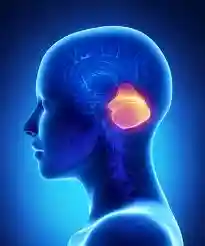
Ataxia is a degenerative disease of the nervous system. It is caused by damage to the cerebellum, the part of the brain that is responsible for coordinating movement. Another name for this disease is impaired coordination. It can affect people of all ages. Age of symptom-onset can vary widely, from childhood to late-adulthood. Generally it is described as a symptom of incoordination which can be associated with infections, injuries, other diseases, or degenerative changes in the central nervous system. This form of ataxia is different from neurological disease. Ataxia can also be associated with another medical condition, such as head injury, stroke, MS, alcoholism Complications from the disease are serious and oftentimes debilitating. Some types of Ataxia can lead to an early death. What are the symptoms of ataxia? Individuals with Ataxia often require the use of wheelchairs, walkers, and/or scooters to aid in their mobility. How is Ataxia Diagnosed? It is diagnosed using a combination of strategies that may include medical history, family history, and a complete neurological evaluation. Various blood tests may be performed to rule out other disorders. Genetic blood tests are available for some types of hereditary Ataxia. MRI and CT scans of the brain What are the types of ataxia? Sporadic ataxias: This type usually begin in adulthood and have no known family history. Hereditary ataxias: These are caused by a defect in a gene that is present from the start of a person’s life and can be either dominantly inherited or recessively inherited. Which doctor does one consult for diagnosing ataxia? This is a neurological condition therefore it is advised to consult a neurologist to determine the condition. What is the Treatment for Ataxia? The goal of this treatment is to improve the quality of life and requires an individualized approach. It is important to work closely with a neurologist to develop a plan to address symptoms. Speech and language therapy, occupational therapy, and physical therapy are common treatment options. They are sometimes used in conjunction with medication therapy to manage symptoms such as Depression, Dizziness, Vertigo, imbalance coordination, muscle cramps, neuropathy, Stiffness, Spasticity, Rigidity, Dystonia. If you are experiencing any of the following symptoms please consult our neurology department for further evaluation 
Read More
Diagnosis Migraine

Don’t ignore a headache! Consult a Neurologist

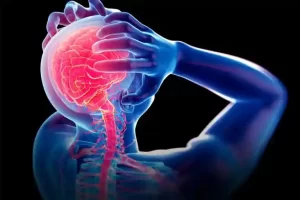
β€œ26-year-old Shweta Nanda, software engineer by profession consulted with Dr. Prashant Makhija, Neurologist at, Wockhardt Hospitals in Mumbai for her frequent headaches. She reported that her headaches started at a much younger age and almost 20-30 minutes prior to the headaches she would notice blurring of vision, subsequently she would start having pulsatile headache. She initially consulted an Ophthalmologist who suggested correction of a minor refractive error but as the headaches persisted she consulted a Physician who attributed it to exam related stress. In the last 3-4 yrs., headaches became more frequent and many a times without β€œvisual warning” and lately she started having analgesics on multiple days in a month. Dr. Makhija found out that Shweta’s neurological examination was within normal limits and all her routine blood investigations as well as repeated brain scans were normal. A detail interview with the patient revealed that what started as infrequent β€œMigraine with aura” was becoming more frequent and many a times without the β€œvisual auras”. This further transformed over time to β€œChronic daily headache”. She was asked to maintain a headache dairy and started on Migraine prophylactics and explained that she may have to continue the medications for a reasonable period of time. She showed remarkable response in three weeks and over time her headaches resolved. Shweta not only regained her confidence at work place but her personal life was also back on track.” There are four major types of headache: vascular, muscle contraction (tension), traction, and inflammatory. The most common type of vascular headache is a migraine A migraine is a severe, painful headache that can be preceded or accompanied by sensory warning signs such as flashes of light, blind spots, tingling in the arms and legs, nausea, vomiting, and increased sensitivity to light and sound. The excruciating pain that migraines bring can last for hours or even days. The typical headache of migraine starts on one side of the head usually around the eye or forehead. A migraine occurs when hyperactive nerve cells send impulses to blood vessels. These blood vessels then constrict, resulting in the release of substances that cause severe pain and discomfort. Migraines differ from a typical headache because they last much longer. Migraine is 2 to 3 times more frequent in women than in men. A person suffering from migraines will always like to relax in the dark and quiet place and most of the times relief can be obtained only when vomiting takes place. Many things can trigger a migraine. These include: β€’ Poor coping life skills β€’ Anxiety or Stress – related to exams, Deadline, work related, interpersonal, family etc. β€’ Travel β€’ Lack of food Lack of sleep or sleeping more than usual β€’ Exposure to bright sunlight β€’ Hormonal changes (in women)- premenstrual migraine β€’ Certain food like cheese, banana, curds, coffee Treatment is definitely required and it is best to see a Neurologist to determine the type and cause of headache. Management of Primary headache disorder in general involves a combination of lifestyle modification, judicious use of analgesics and prophylactics medications if the patient is having frequent Migraine headaches. While management of Secondary headache, apart from symptomatic management with analgesics, is directed towards treating the underlying brain disorder. Most of the time, a headache is self- treated and isn’t properly clinically diagnosed. This causes a longer diagnosis period, making treatment difficult. In India, headaches are underestimated, under-recognised and under-treated. To know more about headache and diagnosis please consult our neurology department at Wockhardt Hospital. The Neurosciences department at Wockhardt Hospitals is well-equipped to take care of patients with complex neurological and neurosurgical problems. In particular, our focus areas are stroke, migraine, Parkinson’s disease and other movement disorders, Epilepsy, vascular malformations and brain/spinal cord tumours. Our renowned team of neurologists evaluate all neurological disorders and have been successful in treating various conditions at the hospital

Read More

Brain Tumour & Neuro-Oncology Services

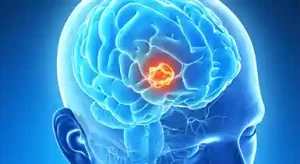
A brain tumour is a mass or growth of abnormal cells developing in the brain. They can be benign or malignant. The tumours can be primary brain tumours originating in the brain itself or in tissues close to it, such as in the brain-covering membranes, cranial nerves, pituitary gland or pineal gland. Sometime tumour can be a secondary lesion from another cancer in the body and spreads to the brain. Brain tumours can grow rapidly and affect well the function of your nervous system. General signs and symptoms include the signs and symptoms of a brain tumour vary greatly and depend on the brain tumour’s size, location and rate of growth. Headaches are very common, they can be new in onset or there can be changes in pattern of headaches .They can be become more frequent and more severe Sometimes there are episodes of unexplained nausea or vomiting. Vision problems, such as blurred vision, double vision or loss of peripheral vision are quiet common. Gradual loss of sensation or movement in an arm or a leg depending on the lesion .Difficulty with balance and speech difficulties can be associated with tumour lesions. Confusion in everyday matters and personality or behaviour changes is also noticed. Seizures, especially in someone who doesn’t have a history of seizures can also occur. Hearing difficulties are sometimes observed. Diagnosis of brain tumours can generally be carried through a neurological examination. Diagnosis can be carries though CT scans, MRI, PET scan and through biopsies. These are generally advised by a neurologist or neurosurgeon. Neuro-Oncosurgery at Wockhardt Hospital: Neuro-oncology is a sub-specialization that deals with brain tumours and spinal cord tumours. These tumours can be both benign (non-cancerous) or malignant (cancerous). Malignant tumours can be divided into primary – that arise from within the brain and spine and secondary tumours – that have spread to brain and spine from other body parts, known as metastatic tumours. All types of brain and spinal cord tumours may produce symptoms that vary depending on the part of the brain and spinal cord involved. With the advancement of technology (advanced microscopes, intraoperative navigation) and better investigation facilities, the morbidity and mortality associated with the brain and spine surgeries has drastically decreased in last two decades. Treatment of benign brain and spinal cord tumours is done by surgical excision, whereas, in case of malignant brain and spinal cord tumours, either chemotherapy or radiation therapy is required, in addition to surgery. Common benign tumours of brain are meningioma, acoustic neuroma, schwannoma and pituitary tumours. Pituitary tumours can be removed through nose with endoscope or microscope without opening the skull. Generally surgery is suggested for the following in case of brain tumours.  Need for surgery: Some surgical techniques include: Craniotomy: Cranioplasty surgery is the most common surgical procedure for excision of brain tumour. An area of the bone is cut out from the skull, the tumour is removed. The whole process is guided by MRI or CT scans either before the surgery or during the surgery. Neuroendoscopy: It also called keyhole brain surgery is done by making small opening in the brain with the aid of endoscope. Neuroendoscopy enables neurosurgeons to access areas of the brain that cannot be reached with traditional surgery and remove the tumour without cutting or harming other parts of the skull. The procedure is performed using an endoscope, a small telescope-like device equipped with a high-resolution video camera and eye piece on the end to allow the neurosurgeon to navigate and access the tumour. For more information on brain tumours symptoms, diagnosis and treatment contact our centres at Wockhardt hospital.

Read More

Second Opinion