Latest Nutrition Articles | Wockhardt Hospitals

ARTICLES ON Nutrition

Latest Articles on Nutrition

Nutmeg for Weight Loss

Turn to nutmeg aka jaiphal to kickstart your weight loss journey in no time

Spices are known to catalyze your metabolic activity, and that’s why nutmeg works wonders for weight loss. Read on to know more. Of course, you can work out hard in the gym to lose that stubborn fat, but what if we tell you about a miracle spice that can accelerate weight loss? Yes, if quick and sustainable weight loss is on your mind, then it’s time to raid your kitchen for nutmeg aka jaiphal. Since time immemorial, nutmeg has been used for medicinal purposes. And when it comes to your gut, this spice is all you need to keep it in top shape. That means your digestion and metabolism will also be on track. Everything put together will lead to weight loss.  Amreen Shaikh, a dietitian and nutritionist from Wockhardt Hospital, Mumbai, suggests that a little less than half a teaspoon or a pinch of nutmeg powder every alternate day can be your tonic for weight loss. 1. Nutmeg eliminates toxins from your body, and has digestive properties that can help in increasing metabolism, thereby helping with weight loss. 2. It is also known to suppress appetite, because it is rich in fibre. That means no more unwanted binge sessions, which are the real cause of weight gain. 3. Jaiphal helps in fat burn. Yes, this amazing spice contains some essential minerals, and one of them is manganese which helps to break down fats. 4. Nutmeg helps you sleep. Did you know, lack of proper sleep can also lead to weight gain? In case sleepless nights are a cause for trouble, then try nutmeg. β€œNutmeg is great when it comes to the treatment of insomnia or sleeplessness in general. Sleeping better aids in weight loss. You can drink a glass of herbal tea with nutmeg powder to induce a good night’s sleep,” she suggests. 5. Nutmeg is a good antidote for stress. Stress is also a factor that needs to be kept in check if you want to lose weight. β€œThanks to antioxidants present in nutmeg, it helps in the prevention of oxidative stress in cells. When cells are suffering from oxidative stress, it leads to obesity,” she explains. β€œPlease keep a check on the quantity of nutmeg you are consuming, because you can only get all these benefits if you have it in moderation,” says Ms Shaikh. The bottom line Without a doubt, nutmeg is the ultimate wonder spice. Not just weight loss, but nutmeg also helps in dealing with disorders like diabetes, arthritis, etc. But if you are pregnant or allergic to it, then you should stay away from nutmeg. You can add nutmeg powder to soups, green teas, dal, etc, as consuming it as it is is not the best option. It’s pretty bitter to taste! So ladies, go nuts for nutmeg and give your weight loss regimen a little push. Source: https://www.healthshots.com/healthy-eating/superfoods/heres-how-you-can-use-nutmeg-for-weight-loss/

Read More
Keto Diet

Not The Ke-To Good Health?

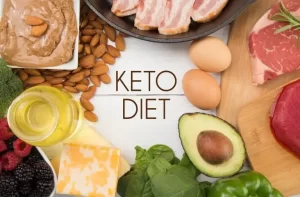
Last week, actor Mishti Mukherjee, who was in her mid-thirties, passed away in a Bengaluru-based hospital, owing to kidney failure. The actor, who had starred in several movies, was on a keto diet, which allegedly affected her kidney function. Although the keto diet is one of the most popular ones to have emerged in the past five years β€” with the likes of Kim Kardashian, Halle Berry and Gwyneth Paltrow, among other celebrities, trying it β€” Mukherjee’s sudden death highlights the need to understand the risk of following fad diets. What Is It?Dr Alifia S Bhol, clinical nutritionist, lifestyle therapist and founder of NutriAl online diet clinic, explains that the ketogenic or keto diet was originally developed as a measure to treat epilepsy patients in the 1920s. “It’s a low-carbohydrate, high-fat and controlled protein diet. It was not considered the best measure to treat epilepsy patients, but was used as other forms of medication weren’t working,” she shares, adding that following the diet leads to the formation of ketone bodies which help with seizures. Jinal Patel, senior executive dietitian at Apollo Spectra Hospital in Tardeo, says that the daily intake of carbs is reduced to less than 200 gm as per the diet, which leads to a metabolic state called ketosis. “Usually, the carbs act as fuel for the body. In the absence of adequate carbs, your body becomes efficient in burning its own fat as well as the fats you’re consuming for energy utilisation. Depending on your body metabolism rate, age and gender among other factors, you can end up losing four to five kg weight within 30 to 45 days,” she adds. Dr Bhol notes that the diet is one of the biggest weight loss trends in the past four to five years: “Because it consists of high-fat foods like butter and cheese, it’s very palatable. People love to hear that they can eat this kind of food to lose weight.” She tells us that typically, a 4:1 ratio is followed for fats and carbs. “In keto, for every 4 gm of fat, there is 1 gm of carbs. So, you have eggs, cheese, certain kinds of nuts, oils, high fat oil seeds, meat, high protein skimmed products, fish and seafood, and non-starchy, fibrous vegetables,” she elaborates. Effect On Health Dr Bhol points out that since keto diet is restrictive in nature, a lot of vegetables and fruits such as beans, carrots, sweet potato and bananas get left out of daily meals. “One is deprived of several nutrients and vitamins,” she says. Doctors also point out that the presence of hidden salts can affect kidney function. “Kidneys are your filtrates and regulate water, sodium and potassium balance in the body. The excessive presence of salt, harmful fats and increased protein, along with existing hypertension, can erode the walls of kidneys,” Patel tells us. Dr Chandan Chaudhari, nephrologist, Wockhardt Hospital, Mumbai Central, claims that taking on a keto diet to shed a few kilos without seeking clinical guidance can aggravate pre-existing kidney problems that one might not be aware of. “It can lead to high uric acid levels, inadequate hydration and acidification of urine, leading to kidney stones. Moreover, if you’re just looking it up on the Internet, chances are, you end up consuming excess of bad, saturated fats (for instance, fried meat), instead of polyunsaturated fats, which affects the lipid profile.” Dr Bhol asserts that although it has been beneficial for some diabetics, the diet can also spur off sluggish moods and constipation. All three experts observe that while the keto diet may be a quick way to knock off extra weight, it isn’t sustainable. “We don’t prescribe it unless you medically need it. There’s a big chance of a ‘yo-yo effect’, or gaining double the weight. If 2020 has taught us anything, it is that health is wealth. And one diet cannot apply to everyone. A diet has to be bespoke,” says Dr Bhol. Here are a few guidelines to bear in mind before you take on any kind of diet: Consult a dietician or nutritionist before you start. Get your urine sample, blood pressure, sodium-potassium levels and lipid profile checked. A health expert always seeks a body composition report to devise a meal plan; Googling for suitable diets can have dangerous repercussions as one size doesn’t fit all. Avoid keto diet if you have existing kidney issues, hypertension, and cardiac problems. A balanced, customized diet that includes a fair combination of all nutrients in controlled portions throughout the day is the way to go. You also have to work out daily to stay in shape and keep yourself healthy. Source: https://www.mid-day.com/articles/not-the-ke-to-good-health/23037228

Read More
Post Dinner

6 Dinner And Post-Dinner Habits You Need To Stop To Maintain Good Health

Do you hit the sack immediately after your dinner? Failing to follow your proper dinner timings? Are you into midnight snacking? Then, you are doing it all wrong! The formula to stay fit and fine is to swear by a proper schedule and enhance the quality of life. Here, we list out a few dos and don’ts, keep reading! Delaying Dinner One of the most important things you need to follow is that you need to eat dinner on time. Studies suggest that people who delay their dinner are more likely to gain weight due to post-dinner cravings and bingeing. Thus, early dinner helps you maintain a healthy weight. Having late dinner and sleeping immediately also leads to weight loss. What You Eat For Dinner Matters It is important to eat a healthy meal for dinner rather than having fancy or junk food (It is observed that most of the people have fancy meals like pav bhaji, franky, sev puri, pani puri, sandwich, pizza, etc for dinner.) These dishes do not have the right nutrients which lead to nutrient deficiencies, which leads to post-dinner cravings. The meal should comprise a good combination of protein, fats, and fibre. This keeps an individual satiated and prevents post-dinner cravings. One’s metabolism is usually lower in the evening as compared to the day time. Hence, a low carbs, high proteins, high fiber, and moderate fats are recommended to maintain weight. This also helps in good bowel movement and maintains overall health. Lying Down Or Sleeping Immediately After Dinner This can cause weight gain and also acid reflux in many people. (One of the major reasons for acidity, bloating, and reflux disease.) This is observed in a lot of people these days. Hence, early dinner is recommended (at least two hours before you sleep/lie down). Some activity is recommended post-dinner (like strolling/walking for 15 minutes). Not Drinking Enough Water Drink enough water throughout the day. Two to three litres of water are recommended throughout the day. Avoid drinking carbonated beverages or sugary drinks with dinner which will add up to the daily calories and lead to weight gain. Post-Dinner Snacking Not eating healthy dinner and nutrient deficiency leads to post-dinner snacking/craving. Snacking on the wrong food causes weight gain. One should have healthy snacks in such cases. Healthy options like salads, fresh fruits, hummus with homemade crackers, nuts, and seeds are good options. Do not store unhealthy/junk food like chips, chocolates, frozen food, or packaged food at home to avoid consumption. Eat Healthy Food Throughout The Day Eating fewer calories in day time leads to cravings and binge eating. Hence, it is advised to eat a healthy and balanced meal throughout the day helps to prevent post-dinner cravings. Do not starve through the day. Instead of starving yourself, have a small, healthy meal/snack. Have a cup of green tea/green coffee, a fruit or a small bowl of fruit salad, or coconut water or soup or buttermilk. This will prevent you from feeling extremely hungry at night. Eat Dinner Without Distraction It is advised to have dinner in a peaceful environment, without any distractions, no phone, and television. Eating peacefully and with the family will help you enjoy your meal and avoid any kind of snacking later. Sleep On Time Sleep deprivation leads to weight gain. When you sleep, your body recharges and rejuvenates the muscles, bones, and brain. Going to bed within 2-3 hours of having your dinner will prevent you from binging on junk food. Studies have shown that not getting enough sleep can lead to weight gain or decrease the weight loss process, if one is on a diet. This also leads to nutrient deficiencies as the absorption is affected. They say β€˜health is wealth,’ true that! Staying fit and fine will require effort. You will have to exercise, eat the right kind of food, and follow a proper sleep schedule. This will help you add years to your life. Hence, it is the need of the hour to embrace a healthy lifestyle and stay in top shape. Know what you must do to stay healthy.

Read More
Paneer benefits

These 6 Things Prove Paneer is a Superfood That Needs to Be on Your Plate Daily

Check your fridge. Odds are there’s a block of paneer in there, shoved to the back, half-forgotten until dinner comes around. Plenty of us have eaten paneer since childhood without once pausing to wonder what it’s actually doing for our health. The answer is: plenty. The paneer benefits run deeper than most realize. Vegetarians lean on it because few other things on the plate pull this much weight.Β  So here’s the case for eating it every day, plus the part people skip: how to eat it so it actually helps. What Exactly Is Paneer? Fresh cheese. That’s the short version. Heat milk, splash in something sour like lemon or vinegar, and it curdles. Press the curds together, and there’s your block. Nothing aged, nothing fermented, no waiting around for weeks. Skip the aging, and you get that mild, creamy character, the kind that soaks up any spice you cook it with. But the real trick is different. When other cheeses melt into a pool when heated, paneer does not move.Β  How Much Protein Is in Paneer? This is where the benefits of paneer come in. For those who do not eat meat, hitting a protein target can be a daily puzzle. Paneer solves a big piece of it. Why care so much about protein in paneer? It helps build muscle and keeps you full. It runs much of the repair work happening inside you. The Food and Agriculture Organization (FAO) treats getting enough of it as essential at every age, from a child growing an inch a month to an older adult determined to maintain the muscle they have built. Give or take, one 100-gram serving of paneer offers this: Nutrient Approx. per 100 g Calories 265 kcal Protein 18 g Fat 20 g Carbohydrate 1.2 g Calcium 208 mg The protein count is the star of the table. Nearly 18 grams of protein in paneer from one serving, with barely a carb to speak of.Β  Small wonder the gym crowd keeps some on hand. Another benefit is that high protein intake helps you feel full for longer periods, which can help reduce mindless snacking between meals. Are Paneer Calories Too High for Daily Eating? This is the concern that stops many people in their tracks. Paneer calories are approximately 265 per 100 grams, but looking at the calorie count alone misses the bigger picture of its nutrient density. What really matters is how it is prepared. A portion-controlled piece, grilled or scrambled, is one of the smartest and most filling things you could put on a plate. The nutritional profile changes when that piece is prepared with butter, cream, or cashew paste. You can tweak the recipe rather than banning the food. Keep the portion honest. One or two matchbox-sized pieces cover most meals. Grilled, roasted, scrambled, or tikka first. Creamy gravies much later. Pile on the vegetables, so the plate fills you up without loading on calories. Prepared simply, paneer sits comfortably on a weight-loss plate. Shahi paneer and butter-soaked versions can hinder progress, but the paneer itself remains a healthy choice. 6 Benefits of Adding Paneer to Your Diet Now the real reason you’re here. This is what pushes paneer past merely being delicious, and why the benefits of paneer show up head to toe, not just in your biceps. Stronger bones and teeth. Paneer is a good source of calcium, which is essential for building and maintaining bones and teeth. Including it regularly can help support bone density over time. Additionally, its low lactose content is generally gentler on dental health than some other dairy options. Supports a steady metabolism. The combination of protein and fats in paneer provides a sustained release of energy. This helps prevent energy spikes and subsequent slumps, supporting an efficient metabolism and helping you stay satisfied throughout the day. Fat profile. While paneer contains saturated fats, it also provides important lipids that are often difficult for vegetarians to source. Choosing low-fat versions can help manage overall saturated fat intake while still benefiting from its nutritional content. Heart health considerations. Paneer contains nutrients that support general health, but it is important to be mindful of its saturated fat and sodium content. Moderation and healthy preparation methods are key to making it part of a heart-healthy diet. Protein and zinc for immunity. Paneer provides protein and zinc, both of which are vital for a healthy immune system. These nutrients help the body build and repair tissues, contributing to overall defense mechanisms. Skin health. The presence of selenium and other antioxidants in paneer can help protect skin cells from oxidative stress. Regular consumption as part of a balanced diet may help maintain healthy skin. Can Lactose-Intolerant People Eat Paneer? Frequently, yes. Paneer carries less lactose than milk because most of it is removed with the whey during the pressing process. Many people who cannot handle milk do fine with a small serving of paneer. Ease in by starting with a small portion to see how your body responds. What’s the Healthiest Way to Eat Paneer? It all comes down to cooking. That is where the benefits of paneer either come through or diminish. The same block can be lean protein or an oily indulgence depending on your preparation choices. Lighter ways to enjoy it, for any regular day: Paneer bhurji, scrambled with onion, tomato, and a scatter of spice. Grilled or roasted tikka, light on the oil. Raw cubes tossed into a salad when you need a quick protein hit. A few pieces stirred into vegetables or dal right at the end, off the heat. The creamy, buttery restaurant plates? Keep those for once in a while. On the everyday, plainer cooking is what lets paneer pull its weight. Who Should Be a Little Careful With Paneer? For most people, paneer is a joy. A few, though, should keep half an eye on the amount. Managing high cholesterol or heart disease? Watch the fat, and low-fat paneer may suit you better. Kidney issues?

Read More
Food for Healthy Heart

Right Food for Healthy Heart

Eating the Right foods for a healthy heart will only show its benefits if consumed at the right time. An average human being consumes food for 16-17 hours a day. Our intestines need to β€˜sleep’. If we continue eating, all that food just piles up,” Dr Ravi Gupta, Cardiologist, Wockhardt Hospital, Mumbai Healthy diet must be eaten in accordance with the Circadian rhythm to  enhance  its nutritional benefit. The circadian rhythm is our internal body clock that guides us towards the β€˜right’ time for eating, sleeping and exercising.  There SAY Timing is everything:  Simply put, eat the most when the sun is up and stop when it sets. β€œOnly when a heart-friendly diet is integrated within this paradigm, is it able to support cardiovascular well-being,” says Dr Ravi Gupta, Cardiologist, Wockhardt Hospital, South Bombay. How to establish a good circadian rhythm (body clock) for good health: 1)For your circadian diet to bear fruit, one needs to sleep on time. Too much of exposure of electronic devices can upset your sleep stages, digestion and hormone function. Avoid too much of electronic devices stimulation before going to bed. 2) Reduce amount of caffeine intake before bedtime. 3) Reverse the calories by sundown; all kinds of food should be avoided. 4) Proper exercise can have a significant circadian phase-shifting effect and affect the sleep and wake schedule in human improving our bodily function and overall health. Conclusion: Contrary to popular belief, the circadian diet is not limited to heart patients. It’s for everybody. This is a lifestyle diet with a set of rules and recommendations that looks at the heart and its function with the natural rhythms of the sun. A synchronised way of eating has long-term health benefits across all  age demographics. 

Read More
Benefits of Coconut Water

Benefits of Coconut Water

Coconut water is made from the clear liquid inside of green coconuts. Over 95 percent of coconut water is water.In traditional Ayurvedic medicine, coconut water is believed to help digestion, urination, and even semen production. It has also traditionally been used to treat dehydration and given as ceremonial gifts throughout the tropics. It has many health benefits and is a natural detoxifier and best known hydrant other than water. 1. Natural sports drink Coconut water’s natural electrolytes make it a solid match for traditional sports drinks .Made without added sugar, food coloring, or artificial sweeteners, many people reach for coconut water as a more natural performance drink. 2. Low in calories With only 45 calories in a cup, coconut water is a great substitute for higher calorie drinks like sodas or juice, according to research. Coconut water has less sugar and carbohydrates than most juices. It also has more minerals and electrolytes like sodium and potassium. 3. Potassium Coconut water has more than 10 times the amount of potassium of most sports drinks. An 8-ounce glass of coconut water is packed with as much potassium as a banana.. Potassium helps keep fluid and electrolyte balance in the body, especially during exercise and lower blood pressure. 4. Calcium and magnesium Calcium is vital for more than just strong bones and teeth. It helps muscles contract and work properly. As you exercise, your muscles pull on your bones and break them down slightly. Magnesium helps to move calcium and potassium into muscles to aid in contraction and relaxation. It also helps with energy production and supports organ function. Coconut contains both. 5. Antioxidants In addition to all of its hydrating benefits, coconut water contains antioxidants that help to neutralize oxidative stress and free radicals created by exercise. 6. Amino acids Coconut water contains more protein building blocks  than cow’s milk. It’s a major source of arginine, an amino acid that helps your body respond to stress (like the stress caused by a difficult workout). Arginine may also help keep the heart healthy. 7. Cytokinins The hormones that help plants grow, also known as cytokinins, are also found in coconut water. These compounds are believed to have antiaging and cancer-fighting properties Coconut water can be a great way to rehydrate after a hard, sweaty workout. It also has other properties which make it a very healthy drink and helps to build immunity.

Read More
Mood Boosting Foods

How food can change your moods

Eating certain foods really help keep bad moods at bay. The scientific community still has much to learn about how our diet influences our moods. Dietary changes bring about changes in our brain structure, chemistry, and physiology, which lead to changes in behaviour and our mood. So here are some theories  based on research on different food types that affect  out mood which we can include in our diet. Fatty fish like salmon are rich in omega-3 fatty acids,  may lower your risk of depression.  A good source of this nutrient is ground flaxseed. Other sources include canola oil, purslane (an herb), cauliflower, red kidney beans, and beans. Certain nuts and seeds are high in tryptophan, zinc, and selenium, which may support brain function and can reduce bad mood swings. 3) Dark chocolate is rich in compounds that may increase feel-good chemicals in your brain enhancing your mood. 4) Fruits like Bananas are a great source of natural sugar, vitamin B6, and prebiotic fiber, which work together to keep your blood sugar levels and acts as mood stabliser. Berries are rich in disease-fighting anthocyanins, which may lower your risk of depression too. 5) Oats provide fibre that can stabilize your blood sugar levels and boost your mood. They’re also high in iron, which may improve mood symptoms in those with iron deficiency anaemia. 6) Coffee provides numerous compounds, including caffeine and chlorogenic acid, that may boost your mood. 7) Beans and lentils are rich sources of mood-boosting nutrients, particularly B vitamins It is quiet common that when you feel down you may crave calorie-rich, high sugar foods like ice cream or cookies to try to lift your spirits. Remember that a sugar rush   in the long term may have negative consequences as well. Instead   aim for wholesome foods that have been shown to not only boost your mood but also your overall health.

Read More
National Nutrition Week

Nutrition Week 1st to 7th : Eat right

National Nutrition Week is celebrated each year from 1st September to the 7th September to aware the people about important tips of their health and well-being. The role of your diet in life plays the most important role in promotion of health and wellbeing of a human being. A good and balanced diet habit improves the quality of life, as poor diet might cause morbidity and illnesses.” β€œIt is about getting enough all of the right foods in the calories allotted plus minimizing the processed foods that are over-consumed. In our super busy worlds where high-calorie, palatable foods are both convenient and abundant, nutrition for most consumers should be more about making good food choices rather than worrying about being vitamin deficient.”…Therefore EAT RIGHT. People must be aware be aware of their food groups and balanced diet from which they can get good nutritious things. A healthy should include the whole grains, fruits, vegetables, fat-free milk or milk products, meats, fish, nuts, seeds and etc. At Wockhardt hospital out diet and nutrition department play a vital role in the providing nutritional care to patients in various disease states and conditions. Our Weight Loss Program: At Wockhardt Hospital our Endocrinology department, Diabetes and Weight Management Centre at Wockhardt Hospital treat various endocrine disorders .The division has an integrated multi-disciplinary model for providing comprehensive management of the entire range of endocrine conditions. Wockhardt Hospital also has unique weight management centre. Together with India’s only physician certified by the American Board of Obesity Medicine, our centre focuses on medical management of overweight and obesity conditions. We have a multidisciplinary team consisting of physicians, dieticians, counsellors and exercise physiologists. The protocol delivers an international evidence-based management for safe and effective weight loss. The program also works in close collaboration with surgical approaches for weight management for those patients that need it, as the Hospital is also a Centre of Excellence for Metabolic and Bariatric Surgery To know about how you can improve your diet and understand its supportive role in treating various conditions, please contact Wockhardt Hospital.

Read More
Healthy Diet Tips

Boost your Immunity this Summer with Healthy Diet Tips

Doctors say that something as simple as eating more fruits and vegetables can increase your immunity. β€œIncluding nutrient-rich foods, getting exercise and being mindful of hygiene practices can do a lot of good to your immune system and, thus, prevent infectious diseases during the summer months” Some diseases are more prominent in certain seasons than others. While winter brings a slew of diseases like cold and cough, with summer comes a host of health problems like headache, flu, gastrointestinal diseases, and jaundice and skin rashes. The immune system is the most important factor in the body to avoid any kind of disease. Change in weather during summer leads to a shift in temperature that leads to the growth of certain viruses and bacteria. Your immune system gets low during stress s, poor diet, inadequate sleep, obesity, lack of physical activity and neglecting protein-rich food. Here are some other diet tips to stay healthy this summer: Other items include nuts, dairy products, sprouts and fish. For more information on your diet and immunity tips please contact Wockhardt Hospital.

Read More

Second Opinion