
A harmless headache can be a symptom of the deadly covid-19 pneumonia. Stay alert and keep an eye on any unusual signs.
Being forewarned is being forearmed, this idiom fits in perfectly well with the situation we are going through right now. Every single day, we are being bombarded with a lot of information around covid-19 – whether it’s new research or baseless rumors that have nothing to do with the disease. That’s why being well-informed always comes in handy.
The declaration around covid-19 being air-borne has sent shock waves all over the country. Maybe, that’s the reason why cases and deaths are on the rise.
But aren’t you wondering, like many others, as to why more people are losing their lives to this virus? That’s because the new mutation is causing covid-19 pneumonia. Friends, don’t make the mistake of confusing it with common pneumonia, because it’s not. The symptoms are not too different either – which makes it even more tricky to identify.
That’s why we want you to know every detail about covid-19 pneumonia so that you can curb it at the initial stage.
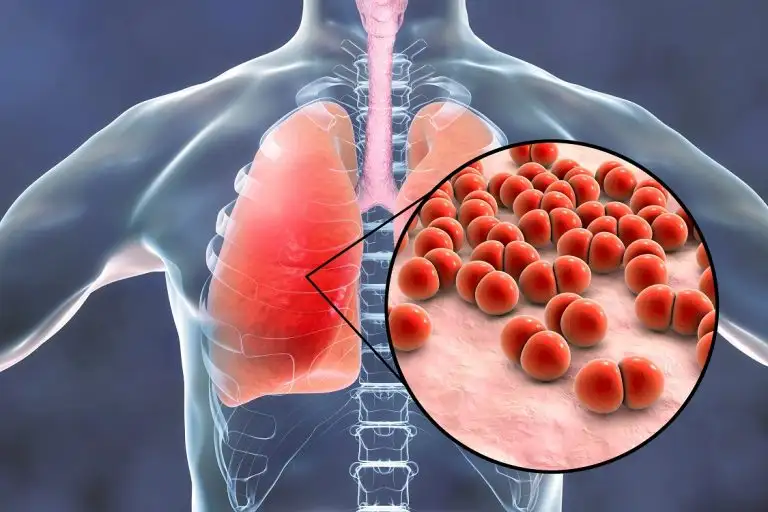
According to Dr. Bipin Jibhkate, consultant critical care medicine, and ICU director Wockhardt Hospital, Mumbai, covid-19 pneumonia is a serious and life-threatening lung infection that causes inflammation in the tiny air sacs to present inside one’s lungs. It is one of the major complications of covid-19 and can be seen in post-Covid patients.
Unfortunately, a CT-Scan is the only way to figure out, whether you have it or not.
Here’s what determines if you’ll get covid pneumonia or not
“You may get covid-induced pneumonia, if you are severely ill with coronavirus, have poor lung function, and are on oxygen support. The coronavirus can damage your lungs, leading to the clotting of lungs and thickening of the walls of the air sacs. It is these symptoms that can cause breathing problems and pneumonia. So, people who are above 65, have asthma or an underlying lung problem, and other comorbidities like diabetes or heart problems may suffer from it. Even smokers and those with a weak immune system will get covid pneumonia,” warns Dr. Jibhkate.
Symptoms of covid-19 you need to watch out for
Headaches, nausea, vomiting, chills, fever, constant cough, belly pain, congestion, runny nose, diarrhoea, breathlessness, sweating, dizziness, rapid breathing, and sore throat are some of the common symptoms.
We know these look like very regular symptoms, but that’s what makes covid-19 pneumonia even more lethal. People generally tend to ignore these symptoms, and when their oxygen levels suddenly drop, it becomes too late.
“If you notice chest pain due to heavy breathing and constant coughing, it is best to rush to a doctor without fail. That’s because it’s a sign that your lungs are not in the best shape. Also, if you see any of these symptoms, keep an oximeter handy and note your oxygen levels. Ensure your oxygen levels are above 90. If it’s below that, consult your doctor as soon as possible” advises Dr. Jibhkate.
Here’s how covid-19 pneumonia affects your lungs
“Small air sacs in the lungs called alveoli to get filled with fluid when you have pneumonia. If you have pneumonia, you won’t be able to transfer oxygen to the blood or will be unable to get rid of the carbon dioxide in the body. This can lead to respiratory failure. Lung abscesses can occur, in which one’s lungs get filled with pus,” explains Dr. Jibhkate.
Dr Jibhkate shares some tips on how you can prevent it
“Wash your hands thoroughly with water, and scrub them properly several times a day. Avoid touching your face, mouth, or nose. Masking, social distancing, and hand sanitizing are the need of the hour, follow cough/sneeze etiquette, opt for lung exercises, don’t be around sick people, and eat a well-balanced diet to boost your immunity,” suggests Dr. Jibhkate.
The basic idea is to try and improve the functioning of your lungs by performing deep breathing exercises. So, even if you require an oxygen cylinder, you can very well delay that stage, because your lungs are strong enough to deal with it.
Another thing you should know before you step out to get an oxygen cylinder is that oxygen therapy can also be taken at home. But for that, you will have to first talk to your doctor.
Also, those of you who are planning to buy a concentrator must listen to Dr Jibhkate.
“A concentrator can be kept at home after consulting your doctor. Oxygen concentrators can be helpful for patients infected with covid-19, in case the patient’s oxygen levels drop. This machine will help to filter oxygen from the atmosphere and help one to get it via a mask or cannula. Hence, it can be one of the options to boost oxygen levels. Also, I would like to advise not to stock these things up, because there are people who might need it more than you,” concludes Dr. Jibhkate.
He has a piece of advice — if there are people at home with respiratory problems like asthma, you should definitely get a concentrator at home.
The bottom line is: don’t take the risk of getting your lungs damaged, because covid-19 pneumonia may have long-term implications. So, as soon as you see a symptom, report it right away to get things under control in time.


