Latest Women Health Articles | Wockhardt Hospitals

ARTICLES ON Women Health

Latest Articles on Women Health

can i have a bath on my period

What’s the Right Way to Bathe During your Periods?

You may have come across multiple myths related to periods over the years and most of them have been passed through generations. However, the truth is that most of these myths stem from the fact that menstruation was once considered a taboo or something that is dirty. That is why some people still have a common question: can I have a bath on my period? In some cultures, the answer will always be no because a few think it will stop periods completely or make the flow heavier. However, the reality is that anyone can have a bath during their periods, only if they follow the correct way to get done with the process. Let’s learn more about the same in this guide on menstrual hygiene and get our hands on a few more tips and tricks. How to Bath During Periods? Apart from keeping you clean, bathing, in general, has many positive effects on your mood and stress levels. But there are certain things you need to be careful about while taking a bath when you are on your period. Dr. Sarita Channawar, Gynecologist, Wockhardt Hospitals, Mira Road, Mumbai, explains what you need to remember: Remove Your Pad, Tampon, or Menstrual Cup Before Bathing It’s okay to let the vagina bleed in the shower. The blood will run right down the drain. Clean the old blood stuck to your pubic hair. Dispose of the pad, or tampon properly and wash the menstrual cup from time to time to avoid infections. Have a Bath Twice a Day Regular showers are necessary to prevent odor and lower the risk of infection during menstruation. Clean the Bathtub If you want to use a tub, clean it before entering it and definitely after using it too! Avoid Scented or Chemical Products Down There Use plain water to clean the vagina. Do not use harsh products that can irritate the vagina and lead to allergies and infections. Rinse From Front to Back to Prevent Infections This can help to prevent the spread of bacteria to your vagina. Clean the Vagina From Outside The vagina is a self-cleaning organ. Cleaning from inside can disturb the pH balance, and result in an infection. Rinse the outer part of the vagina with water. If the question on your mind is if you can really use a bathtub during periods, here’s what a doctor has to say: Dr. Manisha Singh says, “It is an individual’s choice to take a bath in a tub during periods. You may have to deal with a pool of blood around you (if you don’t use a menstrual cup as you do in a swimming pool). If you are okay with it, then you can. However, it’s not ideal to have a bath during your periods in a bathtub.” What Are the Benefits of Bathing During Periods? Bathing during periods can have multiple benefits, but the primary one is menstrual hygiene. Other benefits include:  No Irritation or Infections: It generally helps prevent different skin irritation and infections, such as vulvovaginal yeast infections, bacterial vaginosis (BV), and urinary tract infections (UTIs). Zero Odors: Bathing is a good way to get rid of any funky odors that your body imparts during the menstrual cycle. Apart from that, it also provides you with sufficient relaxation. Natural Pain Relief: A hot bath can easily help you relax your tense muscles and provide natural relief from cramps, headache, or back pain, which are quite common in periods. Increased Blood Circulation: Taking a bath can also increase blood circulation in your pelvis. This helps reduce blood and fluid retention, and takes pressure off the nerves in the area. What About Blood? Many people may find it a little unsettling or inconvenient to have a bath during periods, especially due to the amount of blood flowing out. However, period blood is not ‘dirty’ and actually contains very little blood. Instead, it is constituted of various vaginal secretions and cells associated with the uterine lining. If you are still uncomfortable, consider wearing a menstrual cup, tampon, or disc while having a bath. In another case, if you have heavy bleeding, consider taking a shower instead of bathing inside a bathtub. How to Maintain Proper Menstrual Hygiene? Besides bathing, there are a few things women need to do to maintain period hygiene, according to Dr. Singh: Change Sanitary Napkins on Time Change their sanitary napkins or tampons every 3 to 4 hours. Don’t Forget to Remove the Tampon People must remember to take out their tampons from the vagina when they’re going to bathe. There have been cases where people have forgotten to remove their tampons, and it has led to infections in the vagina, uterus, and fallopian tubes and can have severe consequences like toxic shock syndrome, and abscess formation inside the pelvis. Try to Use a Menstrual Cup For people who are sexually active and those who are not afraid to touch their private parts, the hygienic way to go about managing periods is to use silicone-based menstrual cups. These can also be used for longer hours than a sanitary napkin. All you need to do is clean it, dry it, and reuse it. The cup can be used for up to two years, and you don’t have the headache of buying sanitary towels or tampons if you have a period. They are completely safe & hygienic. Visit a gynecologist to know the right size that fits you. Also, Follow These Tips During Periods Simply having an answer to ‘can I have a bath on my period’ is not enough. You must also follow some tricks to ensure you face no discomfort during this time: Stay well hydrated (drink 2 to 3 liters of water daily) and consume a nutritious diet. Take a break from work for a couple of days, if needed. People with heavy periods and severe pain need to visit an expert at the earliest because they might be missing conditions like fibroids and endometriosis. Hygiene


Read More

Can Breastfeeding Improve Blood Sugar Levels?

Diabetes is not good for anyone – be it children, older adults, or even expectant mothers. During pregnancy, blood sugar levels are likely to mess up, leading to a condition known as gestational diabetes. This condition does not necessarily mean that the patient has a history of diabetes and will be sure to have it after birth. However, if you are unable to properly control blood sugar levels, it can later increase your risk of type 2 diabetes. Is There a Natural Remedy for Controlling Blood Sugar After Having a Baby? It turns out that breastfeeding can naturally lower blood sugar levels after giving birth. Breastfeeding is also known for its weight loss benefits, lower risk of cancer, anxiety, rheumatoid arthritis, and heart disease. In addition, experts recommend feeding on both breasts to strengthen the mother-child bond and reduce the risk of inflammation. In an interaction with Times Now Digital,Consultant Gynecologist and Obstetrician at Wockhardt Hospitals, on how breastfeeding can lower maternal blood sugar levels by 25%. The expert also shed light on other benefits of breastfeeding after childbirth and whether it is safe to breastfeed a baby while taking insulin and diabetes medication. “About 5-9% of pregnant women in India develop high blood sugar levels even though they did not have diabetes before pregnancy. This condition is known as gestational diabetes, which significantly increases a woman’s risk of developing type 2 diabetes later in life. In type 2 diabetes, the cells do not respond properly to insulin, a hormone that signals the cells to take up the sugar glucose from the blood. If left untreated, blood sugar levels can rise and cause various health problems, including blindness, heart disease, stroke, kidney disease, and amputation. According to one study, breastfeeding increases insulin sensitivity and improves glucose metabolism in the mother. In addition, most diabetes drugs, including insulin and metformin, are safe to use, ”said Dr. Devorukhkar. Breastfeeding Tips for Mothers with Diabetes The American Diabetes Association lists some safe and healthy breastfeeding tips for mothers with diabetes. Source: https://newsbeezer.com/southafrica/can-breastfeeding-improve-blood-sugar-levels-experts-answer-faqs/

Read More

5 Breastfeeding myths busted by an expert

A mother is never off-duty. Many of you would agree with us on this. Be it changing the baby’s diapers, feeding him/her, putting them to sleep, or even helping them have a burp, a mother has to do all this, that too with a smile, despite being tied-up all day. Add to this, the usual household chores, taking care of the family members and whatnot. It is a tough deal. More so, if you are a breastfeeding mother. Why, you ask? You will get to hear all sorts of misinformation, from sagging breasts to eating bland foods, that you will be forced to believe. The result? No matter how hard you try to not fall for these, they will get you at some point of time. Consultant Gynaecologist, Wockhardt Hospitals, Mumbai Central, busts a few and shows the right path. Myth 1: Breastfeeding is a reliable form of birth control Fact: Even if you exclusively breastfeed, ovulation and chance of becoming pregnant start after 3 months of delivery. So, consult before that for contraception. Myth 2: You should not nurse if you have blocked ducts Fact: Best way to treat blocked duct is to nurse as often as you can to prevent infections. Besides frequent nursing, apply hot fomentation before nursing. If you develop an infection, consult your gynaecologist. Myth3: Your breast will forever sag after breastfeeding Fact: The breast often doubles in weight during pregnancy. Whether or not you breastfeed, increase in breast size during pregnancy puts extra stress on the ligaments that support the breast and more stress equals extra sagging. Your age, BMI, pre pregnancy bra size, all affect how likely your breasts will drop. Myth 4: Mother must eat only bland foods and not gassy food while breastfeeding Fact: By the time the foods you eat have been digested and used to make breast milk, the potentially upsetting elements have been broken down and should not affect your baby at all, i.e. if you eat cabbage or broccoli, it is unlikely that it will make your baby gassy. Do not change your feeding habits. Keep yourself well hydrated. Myth 5: Drinking dark beer will help increase your milk supply Fact: There’s no evidence to back this up. In fact, drinking too much alcohol can reduce your prolactin level. This is the hormone that helps you make the amount of milk you make. According to the World Health Organization, not drinking alcohol is safest for breastfeeding moms. Source: https://www.pinkvilla.com/lifestyle/health-fitness/exclusive-5-breastfeeding-myths-busted-expert-905818

Read More
maintain vaginal hygiene

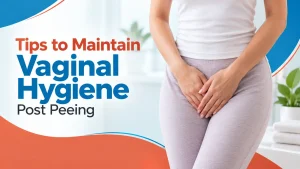
Tips to Maintain Vaginal Hygiene Post Peeing

The vagina is the most sensitive part of a woman’s body. Even a small slip in intimate care can cost you dearly. That is why vagina cleanliness is as important as maintaining hygiene in other parts of your body. But many women often neglect the need to wash their vaginas after using the toilet. After urinating, a few drops can still cling to pubic hairs and get into the underwear, which can make it smelly. That creates a breeding place for bacteria, hence increasing the chances of urinary tract infections (UTIs). But do you know which technique would work better? And how else can you maintain vaginal hygiene? Dr. Indrayani Salunkhe, Gynecologist, Wockhardt Hospitals, Mumbai Central, suggests that the vagina should be washed with water or wiped with tissue paper after urination. Vagina Wash With Water You can wash away the urine drops by cleaning your vagina with water. In most cases, it is recommended to wash it with warm water. But the vagina often remains wet after this procedure and retains moisture. As a result, there is a high risk of bacterial growth. Clean with Tissue Paper Tissue paper helps dry out the moisture in the vagina. However,  burning and pain can be common if you rub it on your vulva roughly. Since the vagina is a very sensitive part of your body, make sure to clean it gently. What to Avoid While Cleaning the Vagina? Here is a list of things you need to avoid to maintain vaginal hygiene: Do not remove pubic hair and trim it instead with the help of scissors. Wipe from the front towards the back after visiting the toilet. Vulva vs. Vagina: What’s the Difference? Before we proceed, let’s make one thing clear: You should never wash a vagina internally, which is the inner muscular canal. Instead, your focus should remain on the vulva that comprises all visible parts of the reproductive organs, including the labia, clitoris, and urethral opening. Trying to clean inside the vagina itself, with fingers, a cloth, a product, anything, tends to backfire. You end up disturbing an environment that was already managing itself before you got involved. Here’s a quick reference to avoid any confusion, once and for all: Vulva: The outer, visible area. This is what you clean. Vagina: This area doesn’t need soap, water, or wipes because it cleans itself well. Cervix: It’s located deeper inside the system and connects directly to the uterus. What Are the Benefits of Cleaning Your Intimate Area After Peeing? The benefits of vagina wash after peeing are: It helps reduce skin irritation and possible skin disorders. It prevents infections and recurring cases of bacterial vaginosis. When Do You Need to See a Gynecologist? When the vagina starts to emit a strong, unpleasant odor or unpleasant discharge, you need to consult a doctor immediately. In most cases, it could be a sign of bacterial vaginosis or another infection. Dr. Indrayani Salunkhe says that you can use both water and tissue paper for cleaning the vagina after urination. But to maintain vaginal hygiene properly, you should use both together. Always use clean water for washing your vagina after urinating to keep the surrounding area dry. Can the Vagina Really Clean Itself? Yes, the vagina has natural self-cleaning mechanisms. A certain group of bacteria, known as lactobacilli, creates a slightly acidic environment in the area. That is why the vagina’s pH ranges from 3.8 to 4.5. Most women notice a clear or milky discharge during their periods. That’s not something going wrong. It is your vagina doing its job, cleansing dead cells, and keeping a healthy balance on its own. Should You Use Vaginal Hygiene Products Like Washes and Wipes? Go to any pharmacy and look around. You will find several vaginal hygiene products on the shelves, claiming freshness, fragrances, additional protection, and sometimes all of the above. Most gynecologists will tell you to leave them right there on the shelf. Perfumed wipes, scented washes, and douches often wipe out the good bacteria your body relies on to stay balanced. Unfortunately, this is the strange irony: something sold as protection ends up making you more vulnerable.   If you still think that you need something more than warm water, follow three simple rules: Choose only pH-balanced and odor-free products. Apply the product to the outside of your vagina, not inside. Do not use the wash or wipe if you are unsure or do not really need it. Is Your Choice Of Underwear Important For The Intimate Area? Yes. Consider that the fabric spends many hours a day in your most sensitive zone. As you already know, cotton underwear breathes and allows sweat to evaporate. That keeps your intimate area dry and free from bacteria.  It does sound strange, but artificial fabrics and tight-fitting leggings trap heat and moisture, which bacteria and yeast thrive on. Here are some swaps worth doing in the coming days: Spent the day in shapewear, gym leggings, or tights? Change into something breathable the moment you reasonably can. Skip underwear at night a couple of times a week. Give the intimate area some time to heal while you sleep. Carry along another pair of cotton underwear in your purse on particularly long or sweaty days. Does Food Affect Your Vaginal Health? It sounds unrelated at first. What does your dinner plate have to do with your vaginal health? More frequently than you may think.  High intake of refined sugars and food products can trigger yeast infections and imbalance without you even realizing it.  Food products containing probiotics like curd and yogurt help restore the right amount of lactobacilli needed for maintaining proper pH levels in your vagina. Hydration is also extremely important in this context. That’s because water helps flush the urinary tract. Having too little fluid raises your odds of infection creeping in.  However, none of this means one dessert, or a skipped water bottle, will land you in trouble overnight. Here’s a simple everyday checklist to

Read More
Polycystic Ovarian Syndrome

Struggling with PCOS? Try these workouts to manage the syndrome better

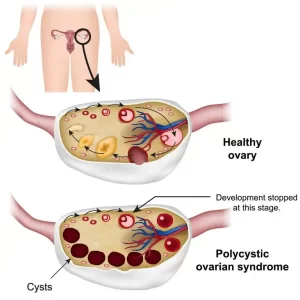
PCOS or polycystic ovarian syndrome can cause various issues but it can also be managed with regular workouts. These 4 exercises can help you in a big way! If you suffer from the polycystic ovarian syndrome, you already know how physically and emotionally distressing it can be. It is a hormonal condition that can cause multiple issues but one of the most prominent ones is weight gain. Apart from weight gain, PCOS wreaks havoc on your body in several other ways. Your body produces testosterone in higher quantities which can cause some major changes in your menstrual cycle. It also leads to reduced fertility, increased hair growth, and changes in your skin such as acne or darkened skin patches. In most cases, it also causes insulin resistance. PCOS affects up to 18 percent of women but can be managed with a nutritious diet and regular physical activity. So, let’s take a look at the 4 workouts you need to get to for PCOS. All set? 1. Cardio Try and include moderate exercises like brisk walking, jogging, cycling or swimming to help tackle symptoms of PCOS. These exercises increase your body’s response to insulin, reducing the risk of cardiovascular diseases and type 2 diabetes. Take out 30 minutes every day for cardio. You’ll definitely see a change in your weight and mental health. 2. Strength training It’s extremely helpful in reducing insulin resistance and increasing the metabolism rate. Make sure you include strength training as part of your fitness regimen. You can try bodyweight exercises like squats, push-ups, or tricep dips to improve the function of insulin in your body. What’s more, it can also accelerate your metabolism by building more muscle mass. If you combine resistance moves with cardio, you can get a lean body. Now, isn’t that absolutely amazing? 3. High-intensity interval training It’s really not about exercising for too long but doing it the right way. Hence, it is important to swap between short bouts of high-intensity exercise and low-intensity recovery. Not only does it boost your cardiovascular fitness, but it also benefits those with PCOS. Exercise on a spin bike for only 10 to15 minutes and burn calories while reducing abdominal fat more effectively. 4. Core strength If your weight is above the normal range, you can suffer from severe back pain and poor posture. Hence, including core training in your fitness routine is important. These muscles support your spine and must be strengthened. If you are trying to conceive, make sure to also train your pelvic floor muscles. They’re a vital part of your core, helping tackle urinary incontinence, boosting sexual health, and enhancing pelvic stability. Ladies, it’s time to focus on your fitness regime, and reduce the symptoms of PCOS! Source: https://www.healthshots.com/fitness/staying-fit/pcos-and-exercise-4-workouts-to-try-if-you-have-pcos/

Read More

5 things a gynaecologist wants you to know about losing your virginity

Consultant Obstetrics Gynaecologist, Wockhardt Hospitals, South Bombay to reveal everything that one needs to know about losing the v-card. Dr Pillai says, “You should talk to your partner about his history of sexually transmitted diseases or any kind of medication he could be on. After you’ve received an answer to this question from your partner, here are 5 things you need to keep in mind when you’re losing your virginity: 1. You might not orgasm the first time Sex, for the first time, doesn’t guarantee an orgasm. Your goal shouldn’t be that. A study published in the journal Advances in Psychosomatic Medicine Home observed that approximately 11 to 41 per cent of women face difficulty in climaxing with their partner. So, do not get your hopes high but make sure you relax and enjoy the moment. 2. You can get pregnant the first time Have you been thinking that you cannot get pregnant the first time you have sex? That’s far from the truth! If you don’t take any safety precaution, there’s always the risk of getting pregnant. So, ensure you’re aware of the different contraception methods and pick one for your first time.Virginity has countless mythical perceptions. It is time you know the actual reality. Image Courtesy: Shutterstock 3. Know about your fertility cycle Dr Pillai says, “Tracking your menstrual cycle will give you know the dates on which you’re fertile. This will help you avoid any actions that can cause an unwanted pregnancy.” 4. You can get an STI without vaginal penetration Apart from vaginal penetration, STI or sexually transmitted infection can also spread through oral sex or anal penetration. Hence, it is important for your partner to wear a condom all the time and not just during penetration. 5. It might be uncomfortable but it shouldn’t hurt much The first time can be uncomfortable and painful, but it shouldn’t be extremely painful. You can use antibiotic creams for any cuts and bruises after consulting with your doctor. You may experience pain due to the lack of lubrication but if it is extremely painful, it could be because of an underlying medical condition. Hence, if what you experience is debilitating pain, you should probably postpone the maiden act and visit a doctor. “You might have a mild urinary tract infection or urinary burning. But, if you experience foul-smelling discharge or a lot of itching in your private parts, you must talk to your gynaecologist,” advises Dr Pillai. So, girls, make sure you don’t just make your first time memorable but also safe! Source: https://winningbrain.com.ng/5-things-a-gynaecologist-wants-you-to-know-about-losing-your-virginity/

Read More

Ginseng is a complete NO-NO for pregnant women, confirms a top dietician.

Although ginseng is a brilliant herb otherwise, when it comes to pregnant women it has some major side-effects.   According to Rizwana Sayed, dietitian at Apollo Clinic, Pune, ginseng is a type of herb mainly found in Asia and America. It is generally consumed for these following reasons:  But when it comes to pregnant women, Sayed has her reservations. She says, “Ginseng generates heat in the body which is neither good for the expecting mother, nor the fetus.” But why are we blaming this otherwise good herb? “Without a doubt, ginseng is otherwise a great herb. However, besides having such great health benefits, ginseng is generally not recommended during pregnancy at least in the first trimester,” she explains. Sayed says, “Ginseng Rb 1 is an active chemical in ginseng, which is associated with development of defected embryos. It also has anticoagulant properties, which makes it potentially unsafe during childbirth.” If you are pregnant you should stay away from this little herb. Image courtesy: Shutterstock She also mentions that women who consume ginseng knowingly or unknowingly have reported more headaches, diarrhea, vaginal bleeding, and hormonal imbalances. That’s why it is better for pregnant women to avoid this herb or consult a doctor before consuming it. “Due to the overdose of ginseng, it has been seen that babies are born with a shorter length and less muscle cells. More exposure to ginseng Rb 1 means more birth defects. Do you know there are a lot of herbal teas like kahwa that also have ginseng in it, which is also not safe for the expecting mothers? Although, there is no proven data but there are ongoing studies,” says Dr. Gandhali Deorukkhar Pillai, gynecologist, Wockhardt Hospital, Mumbai.  And it also interferes with sleep patterns of pregnant women Everyone knows that expecting mothers are advised to take proper rest for better development of the fetus. But ginseng won’t let that happen.  “There are expecting mothers who have reported major mood swings and sleep disturbance, after consuming ginseng in any form. Due to this, they feel major fatigue all the time”, says Dr Pillai.  Not just that, women have also reported lower blood sugar levels, due to which they feel dizzy and nauseous all the time. “Do you know this can also increase the risk of diabetes?” she warns. Dr Pillai also mentions that some women experience a dry mouth. That’s because ginseng releases certain enzymes in your body that impact the functioning of the salivary glands.  The bottom line is that ginseng isn’t a safe bet, especially when it comes to pregnancy. So, it’s better if you steer clear of this herb if you are pregnant and breastfeeding. Better safe than sorry! Source: https://winningbrain.com.ng/ginseng-is-a-complete-no-no-for-pregnant-women-confirms-a-top-dietician-heres-why/

Read More

Periods making you feel tired? 5 easy ways to kick away the fatigue

We all get tired and exhausted at some point of time. Honestly, it is only normal. But, do you feel extremely drained and exhausted during your periods? Having a headache, feeling nauseous and getting tired too easily is your body’s way of telling you that something isn’t right. The fatigue that you experience during your period happens due to premenstrual syndrome (PMS). However, it could be seeding from many reasons like lack of sleep, dehydration, excessive physical activity, iron deficiency, unhealthy food habits, and even stress.  Believe it or not, premenstrual syndrome (PMS) is a real thing and it can affect the best of us. Now, we may not be able to eliminate the fatigue but we sure can look at ways to manage it and minimize its effect on your life. So, we spoke to Dr. Gandhali Deorukhkar Pillai, consultant obstetrics gynaecologist at Wockhardt Hospital, Mumbai Central to understand how we can deal with the feeling of fatigue effectively. Here are some suggestions by her which can ease out your life if your periods make you lethargic:  1. Track your periodsThe first thing we recommend is that you keep track of your periods. This way, you can track not only your cycle but also your behavioural patterns. There are a lot of period tracking apps that can help you mark the calendar and even take notes. Once you trace the pattern, you can make due changes in your eating habits, sleeping timetable and workout routine to be mentally prepared for what is to come your way.Track your periods to track your behavioral patterns . Image courtesy: Shutterstock 2. Eat rightThe next task is to deal with your cravings. You might crave for a sweet treat or even just some junk food, but that’s not really what your body needs. Fill your diet with protein-based foods to keep you full and fairly energetic.Understand that due to the blood loss, the iron levels of your body are going down and that causes fatigue. We say you eat a lot of spinach and other iron rich food. “Avoid unhealthy and greasy food. Instead, stick to home-cooked meals. If you are anaemic, you can also resort to iron supplements. It is important that you get checked for thyroid as well. In case you do have thyroid issues, you must start your medications right away, considering that they will help improve the hormonal balance,” says Dr. Pillai. If you eat a lot at once, the heavy digestion process will use up a lot of your energy and contribute into making you feel lethargic. So, the trick is to eat small but frequent portions throughout the day. This way, you can be in control of your energy levels and feel upbeat throughout the day. 3. Sleep wellCut down on your caffeine and your screen-time because these factors can really disrupt your sleep pattern. We often underestimate the value of a goodnight’s sleep. Of course, if you aren’t fully rested over the night, you are bound to carry on the tiredness to the next day. So, it’s important that you get some good and sound sleep. 4. Have a good workout“You should not be working out during your periods”, is one of the greatest period myths you’re likely to hear. On the contrary, working out actually helps you feel more energetic since it gets the blood flowing and fills you with endorphins. It doesn’t have to be extremely rigorous or even as intense as your regular workouts. “Don’t push yourself beyond your limits, your body needs rest and you need to listen to what your body has to say to you. So, stick to low intensity workouts. The main idea is to keep those happy hormones releasing,” says Dr. Pillai. 5. Drink a lot of fluidsWhile you should always keep yourself hydrated with a healthy amount of water consumption, your periods give you all the more reasons to keep chugging on those fluids. When your body is dehydrated, you are bound to feel tired. Even alcohol worsens fatigue and you should avoid those occasional drinks that you like to have over dinner, when on your periods. According to Dr. Pillai, it doesn’t just have to be water as long as you are keeping your fluid intake high. She suggests you drink coconut water that is rich in sodium and would maintain your blood pressure. In the end, Dr. Pillai suggests that you do whatever makes you feel happy because it’s important to get the endorphins flushing to keep you happy and energetic. Source: https://winningbrain.com.ng/periods-making-you-feel-tired-5-easy-ways-to-kick-away-the-fatigue/

Read More

High Infertility rate in Men and Women

Infertility is defined when couples are unable to conceive a child, even though they’ve had frequent, unprotected sexual intercourse for a year or longer. Infertility can be caused due to factors affecting the female or the male partner. Here are a few common reasons in women that lead to Infertility : Causes in Women: 1) Advancing maternal age: Female age-related infertility is the most common cause of infertility today. For unknown reasons, as women age, egg numbers decrease at a rapid rate. And as ageing occurs, egg quality, or the likelihood of an egg being genetically normal, decreases as well. 2) Ovulation disorders: Normal and regular ovulation, or release of a mature egg, is essential for women to conceive naturally. There are many disorders that may impact the ability for a woman to ovulate normally. 3) Tubal occlusion (blockage): A history of sexually transmitted infections including chlamydia, gonorrhea, or pelvic inflammatory disease can predispose a woman to have blocked fallopian tubes. Tubal occlusion is a cause of infertility because an ovulated egg is unable to be fertilized by sperm or to reach the endometrial cavity. 4) Uterine fibroids: Fibroids are very common (approximately 40% of women may have them) and the mere presence alone does not necessarily cause infertility. The size and position of the fibroid determine its effects on your pregnancy. 5) Endometrial polyps: Endometrial polyps are finger-like growths in the uterine cavity arising from the lining of the uterus, called the endometrium. They can decrease fertility by up to 50% according to some studies. 6) Endometriosis: Endometriosis is a condition whereby cells very similar to the ones lining the uterine cavity, or endometrium, are found outside the uterine cavity. It is found in approximately 10-50% of reproductive-aged women and can be associated with infertility as well as pain during intercourse and/or menstrual periods. CAUSES IN MALES: 1)Erectile dysfunction, 2) Low sperm production, abnormal sperm function or blockages that prevent the delivery of sperm. Illnesses, injuries, hormonal imbalances, chronic health problems, lifestyle choices and other factors can play a role in causing male infertility. The semen analysis is one of the main tests to evaluate the male partner. Risk factors linked to male infertility include: Fertility treatments for females: 1)Fertility drugs and hormones to help the woman ovulate or restore levels of hormones. 2)Surgery to remove tissue that is blocking fertility (such as endometriosis) or to open blocked fallopian tubes. 3)assisted reproductive technology or ART treatments used for male as well as female infertility problems: -IUI (intrauterine insemination): Sperm is collected and placed directly inside the woman’s uterus while she is ovulating. -IVF (in vitro fertilization): The sperm and egg are collected and brought together in a lab. The fertilized egg grows for 3 to 5 days.

Read More

Second Opinion