Latest Press Release Articles | Wockhardt Hospitals

ARTICLES ON Press Release

Latest Articles on Press Release

Gall Bladder Infection with Rupture, Induced Multiorgan Failure and cardiac arrest, In 56-Year-Old Man Successfully Operated At Wockhardt Hospitals, Mira Road

A team headed by Dr Imran Shaikh, Consultant GI & HPB surgeon, Wockhardt Hospitals, Mira Road, saved the life of a 56-year-old man with an infection and ruptured gall bladder that led to multiorgan failure. The patient was very critical with lifesaving supports for heart and lung, underwent major life-saving surgery – Exploratory laparotomy with cholecystectomy and peritoneal lavage with drainage. The patient is discharged after 15 days and he is now resumed back his work. Mr Prakash Acharya, a 56-year-old resident Bhayandar, who is working as supervisor encountered severe excruciating abdominal pain and Vomiting. He experienced this kind of pain the first time. The pain was so severe that he needed injections and also, he couldn’t eat food. Though, he didn’t have other comorbidities such as diabetes and hypertension. He was admitted to a nearby nursing home and on evaluation found to have Gall bladder stone with severe infection and complication like rupture of Gall bladder. There was a severe infection along with multiorgan failure that took a toll on his kidneys, lungs, and heart. He was critical and planed Gall bladder surgery at a nursing home. To the patient’s dismay, after anaesthesia, he suffered from cardiac arrest and was given Cardiopulmonary resuscitation (CPR), a life-saving technique to revive him. After two attempts of CPR, he was revived and surgery was deferred. He was put on a ventilator and shifted for further management at Wockhardt Hospitals, Mira Road. Dr Imran Shaikh, Consultant GI & HPB Surgeon, Wockhardt Hospitals, Mira Road highlighted, “Patient arrived in very bad shape. In the emergency room, the patient was unstable with on high ventilatory and cardiac support. The patient was shifted to ICU on life-saving support. The condition was so critical that despite maximum ventilatory support his oxygen saturation would remain around 88 %. He required three lifesaving drugs in very high dosages to barely maintain his heart and Blood pressure. His kidney was hit badly with high creatinine and low urine output. Emergency CT scan of chest and abdomen done which showed worsening infection in the abdomen as well as in chest. Patients vigorous resuscitation continued in ICU as per standard protocol. Higher antibiotics, nutritional support, ventilatory and BP support and Kidney supports were continued. A most important decision was to operate upon him which was supra major surgery and considering the critical status of the patient it would have been a very high risk to his life. We waited almost 24 hours and continued resuscitation before we could make him little better to subject for surgery. Team of doctors including Intensivist, Physician, Chest Physician, Cardiologist and Gastrosurgery tried very hard to make him stable so that surgery can be performed. Surgery was lasted for four hours & Patient tolerated surgery very well. During surgery lot of pus and infection drained from the abdomen and Gall bladder was removed. The whole abdomen was thoroughly cleaned. He was shifted to ICU on all lifesaving support. As soon surgery controlled the source of infection, he showed remarkable recovery in ICU. Within 72 hours his heart and BP stabilised and kidneys improved. Though he required a ventilator for 5 days but made an uneventful recovery. After 7 days of surgery, he was shifted towards on full diet. While recovering in the remains drowsy Inspite all other organs were improving, so neurologist opinion was sought. Biggest fear was hypoxic brain injury which happens due to lack of blood supply to the brain when the heart was stopped twice. But fortunately, no major injury to brain detected and he improved on medical management. After two weeks from surgery, he was all fit and discharged. A lot of people take Gall bladder stone very lightly, but it has associated with a complication like acute infection, Jaundice, perforation, gangrene and Cancer. All these complications are life-threatening. We can avoid this complication by simple Laparoscopic surgery in an elective setting which requires an only one-day hospital stay. Also, whenever complication happens it should be managed at the tertiary care centre where all facilities and experts are available. We could save this patients life purely because of teamwork and facilities. “My abdominal pain was unbearable to the extent that I couldn’t even move or walk properly. My world came crashing down after I got to know that the gallbladder has ruptured. I was hoping for some miracle to happen and was happy to know that the doctors gave me a fresh lease of life. I thank the doctors for their limitless efforts taken amid the pandemic. Now, I can do my daily chores with ease and have resumed to normal life,” concluded patient Mr Prakash Acharya. Source: http://mediabulletins.com/health/gall-bladder-infection-with-rupture-induced-multiorgan-failure-and-cardiac-arrest-in-56-year-old-man-successfully-operated-at-wockhardt-hospital-mira-road/
Read More
Stem Cells

To The Manner Born – Gen Z Miqdad Khorakiwala on Stem Cell Therapy

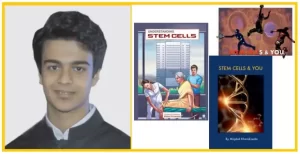
Miqdad Khorakiwala, the eldest son of Dr. Huzaifa Khorakiwala, after deep study and extensive research, conceived and wrote articles on ‘Stem Cells Passport’, ‘Stem cells & You’ and  ‘Understanding Stem Cells’, which provided clear insight into what could be described as a revolutionary addition to medical advancement. The genesis of stem cell research began when the first successful transplant was carried out by Dr. Thomas of the Fred Hutchinson Cancer Research Centre for the treatment of Leukaemia. This continued progressing as a field of study until Hematopoietic cells were discovered in 1978 in human cord blood. In 1981, Martin Evans came across a certain type of cells in mice that we now call Embryonic Stem Cells. All of this research, when put together, helped aid scientists clone ‘Dolly’, the sheep who was the first artificial animal created. Quick progress was made within four years of cloning Dolly with the first-ever embryo being cloned at the early stage of 4-6 cells, in 2001. However, due to ethical issues cropping up, President George W. Bush banned government funding for the research until about 7 years later, under the Obama Administration, when clinical trials were allowed to resume. In 2010, a person with spinal injury became the first to receive such treatment derived from human embryonic stem cells as a part of the trials by Geron of Menlo Park. Adding to this, in 2012, the successful treatment of age-related macular degeneration and Stargardt’s macular dystrophy, where improvement in visual acuity, was noticed within two weeks post-procedure, helped build the ever-growing reputation of stem cell research.  Described as non-specialized cells that are found within the human body, these specific cells carry the ability to grow and adapt to any other cell due to the two very unique properties it possesses: Self-renewal and Potency.  Their distinguishing factor lies in the three main types of the latter property mentioned above. The first and foremost being Totipotent cells that boast the highest differentiation potential along with the capacity to grow into a completely new organism. Given the ease of isolating such cells and providing them with an environment conducive for growth, it can paint itself as one of the best examples to represent the vast advancements made in the this field. However, not everything can be picture perfect. A pitfall that many take issue over is the ethical dilemma behind sourcing such cells- usually gained from those of a zygote or a fertilised egg.  Pluripotent cells, on the other hand, while relatively displaying less differential potential are also easy to isolate and grow, however, the obstacles that one could be presented with, move from ethical issues in relation to these cells taken from the layers of a human embryo as well as teratoma formation which are benign tumours that form from the growth or differentiation of such cells.  As for Multipotent cells that are equally differentiable but are restricted to those within the same family, a viable example could include Hematopoietic cells/ Blood cells from bone marrow, with lesser ethical issues and lower immune rejection chances it could arise as one of the most accepted forms of stem cell therapy. However, such cells are immensely hard to isolate.  Categorization of stem cells also depends upon its sources with Embryonic stem cells and Adult stem cells taking up the two main umbrella classifications. The former being cells that are separated from 2-11 days old human embryos, commonly known as blastocysts, and are known for having the highest potential to help regenerate and repair tissues and organs within the body. Bur as mentioned before, a common ground for concern pops up due to what it requires to isolate such cells: destruction of the embryo, which raises moral issues concerning the taking of a life. Secondly, the risk of tumorigenicity and teratoma formation, given how difficult it is to control the growth and differentiation, remains probable.  Adult stem cells are mostly multipotent with a less differentiation capacity than embryonic stem cells, nonetheless, these cells are obtained from adult tissue like bone marrow, tooth, adipose tissues and are considered to be more ethical. They can also be further classified under Autologous transplants, which is when the patient is their own donor and Allogeneic Transplants where the cells come from another person. The therapy relies upon repair of damaged cells and replacement with new functional ones. Usually used for a variety of conditions ranging from spinal cord injuries to orthopaedic conditions, Parkinson’s, Alzheimer’s, Diabetes mellitus and many more. While not providing a cure, it can substantially increase the quality of life for the patients.  The basic steps undertaken in stem cell therapy follow a 4 pointer programme: The challenges in this discipline usually prove to be a detriment to those perusing through their options with a few ranging from Manufacturing Issues, Culture conditions, Incorrectly differentiated cells, lack of proper delivery and skilled personnel, Ethical issues and financial limitations of those seeking practicable options, poor support and immunological rejection.  Combatting the aforementioned points, stem cell therapy remains as a beacon of regenerative medicine designed to prove helpful for those suffering from severe injuries or chronic diseases. With unlimited power of self-renewal, multiplication and the ability to change into other types of cells, this form of therapy has dealt successfully with Leukaemia and Hematopoietic Disorders to Impairments of the Brain, Autism, Multiple Sclerosis and Cardiovascular Diseases.  The general consensus regarding this streamlined topic borders on a lack of awareness; which was highlighted through the comic series ‘Understanding Stem Cells’ by walking the reader through the steps taken by Wockhardt Hospitals stem cell facility.

Read More
Covid Warrior

COVID Warrior Travels From Vishakhapatnam To Mumbai

Chandini Mulukutla who works as Infection Prevention Control Nurse at Wockhardt Hospitals in Mumbai, traveled from Vishakhapatnam during lockdown to join COVID duty post her maternity leave. 33-year-old Chandini Mulukutla, Infection Prevention Control Nurse, was busy being a new mother when the outbreak of Coronavirus pandemic was reported in China on December 31, 2019. In March 2020, the pandemic was still at a nascent stage in India, and Ms Mulukutla along with her four-month-old baby and family went to her native place in Vishakhapatnam. Little did she knew that a nationwide lockdown will be imposed to contain the spread of the Coronavirus and she will not be able to return to Mumbai even after her maternity leave is over. But the desire to serve the nation and help fellow nurses and doctors to fight against COVID-19 pushed her to cross the borders and resume her duty. Recalling the events and how she managed to come to Mumbai during a lockdown, Ms Mulukutla told NDTV, “I gave birth on November 7, 2019, and I was to join duty on May 6 but due to the lockdown, I was stuck in Vishakhapatnam. I wanted to come back to Mumbai anyhow but I had two challenges in front of me; firstly, there was a lockdown and secondly, my family was against me being on COVID-19 duty especially when I am breastfeeding my infant. But I somehow convinced my family.” Ms Mulukutla who has been working at Wockhardt Hospitals in Mira Road in Mumbai for 6 years submitted a letter from her hospital to the local police commissioner and asked for permission to travel to Mumbai for work. Along with her 6-month-old newborn, 7-year-old son, husband and mother-in-law who is a cancer patient, Ms Mulukutla travelled to Mumbai by road. Talking about her journey, Ms Mulukutla said, “It took us one and a half days and we had to cross nearly 50 check posts and at almost every check post we would show our passes to prove that I am travelling for work.” Following this, Ms Mulukutla was under home quarantine for 14 days and subsequently joined work. Explaining her role during COVID-19, she said, “As an infection prevention control nurse, my job is to educate COVID warriors about infection control protocols including hand hygiene, social distancing, and mask protocol. I train doctors, nurses, and other technicians on how to wear and take off personal protective equipment (PPE). I also take rounds of the non-COVID ward and conduct audits of healthcare personnel on whether they are following precautionary measures like washing their hands before investigating patients.” Ms Mulukutla said that the fear of contracting COVID-19 and passing it to her family exists. Both her children and mother-in-law are a part of the high-risk group that is more vulnerable to catching COVID-19 and despite that, she has taken the risk of being a COVID warrior. Talking about the precautions she herself takes to protect her and her family from COVID-19, she said, “I have made myself mentally strong to fight COVID-19 and overcome the situation in the safest way possible. At work, we follow all precautions. As soon as I reach home, I take a proper bath, wash all my clothes, and sanitize all my belongings including mobile phone. After this only, I meet my children and feed the baby. Since we live in a 1 BHK, I can’t isolate myself in a separate room also my children are young so they need me.” While Ms. Mulukutla works throughout the week (Monday to Saturday) from morning to evening, her 60-year-old mother-in-law takes care of her children. Ms. Mulukutla feels blessed to have a family that supports her during trying times and for the fact that everyone is safe as of now. However, she has already told her mother-in-law what needs to do if she happens to be in quarantine. “I have told my mother that she will have to resort to formula feeding or the regular packed milk if anything happens to me.” Now, Ms. Mulukutla plans to take the next step by starting to take rounds of COVID ward. She says it’s a blessing to serve people during a pandemic and she wants to continue working come what may.

Read More

World Mental Health Day: 10 October, 2024

World Mental Health Day 2024, on October 10th, is an opportunity for the world and communities to unite behind the theme ‘Mental health is a universal human right” It is not just a day of awareness; it’s a collective step towards a healthier, more understanding world. International Mental Health Day increases awareness about mental health issues. So, here are the positive and adverse on our minds explained by psychiatrist Sonal Anand from Wockhardt Hospital. Mental Health Day: Ensuring Universal Mental Health Rights Intrinsic Right: Mental health is a universal human right to well-being, intrinsic to our identity, and an essential component of human rights. Respect and Dignity: Every individual deserves to be treated with dignity and respect, irrespective of their mental health problem. Empowering Minds: Ensuring Universal Mental Health Rights Adequate mental health care services, including prevention, promotion, treatment, and rehabilitation, should be accessible to all without any form of discrimination. Social Inclusion: Mental health as a human right means promoting social inclusion, understanding, and acceptance for individuals with mental health conditions. Equal Opportunities: People with mental health concerns have the right & law to equal opportunities in education, employment, and participation in society. Discrimination in these areas should be eradicated. Empowerment: Empowering individuals to make decisions about their mental health care, and respecting their choices, is a fundamental aspect of mental health as a human right. Global Recognition: Mental health as a universal human right is recognized by international organizationsemphasizing the importance of mental well-being on a global scale. Promoting Awareness: Raising awareness about mental health rights fosters understanding, reduces stigma, and encourages society to support, respect and help those struggling with mental health issues. Prevention and Support: Mental health as a human right involves investing in prevention strategies and offering appropriate support systems to ensure individuals can maintain good mental health and well-being. Collaborative Effort: Governments, communities, healthcare providers, and individuals all play a role in upholding mental health as a universal human right, working together to create a mentally healthy world for everyone. Understand Social Media’s Positive and Adverse Impact on Our Mind with Sonal Anand The influence of social media is such that there is rarely anyone who hasn’t been able to form a view and judgment of it whether positive or negative. Internet and social media usage have definitely changed brain cognition. On the positive side, we have seen better means of expression, positive changes in social acceptance, new skill development, and overall progress, and on the negative many perils and problems. Positive Impacts of Social Media Research is still going on as to how the brain is changing in structure and cognition due to the usage of screens. We know for sure that the brain is adaptable to continuous external stimuli and learning new experiences so it won’t come as a surprise that our mindset and behavior is influenced by social media and social networking usage. The number of ‘likes’ and positive comments that we get activate the reward centre of the brain and hence addiction becomes highly likely. Social Media For our Development Communication is the key area in which social media has exerted a very heavy and positive influence. With just a tap, you can join a community with similar and sometimes revolutionary views. This can be an advantage for introverts or people with lesser opportunities and marginalised individuals. Having a platform to express oneself without any boundaries can open whole new ways of thinking and creativity. Learning new skills and the variety of choices promotes self-worth and development. Social Media For Sharing Emotional Problems Social media makes it easy to find new friends, easy means of connectivity and new ways of social development. Sharing emotional problems online has helped many individuals who were otherwise cocooned into their own shells. A wave of change in some redundant and unfair social patterns has been seen because of the positive influence of social media. Taking part in such movements gives the individual a feeling of being an integral part of social change. Social media movements like ‘MeToo’, ‘BlackLivesMatter’ have been successful in reaching out to the masses and touching the right chords. Negative Sides of Social Media While the positive influences of social media on societal change cannot be doubted, the negative effects are what is bothering research scientists. The social media deprives a face-to-face interaction which is critical as non-verbal cues because body language has been an integral part of our evolution. Habit of Comparing The virtual image and real image become two parts of the individual and the resultant conflicts arising from the disbalance of the two is what mainly brings about negative changes. The impact of seeing ‘perfect lives and photographs’ of others and comparing them with oneself can become quite traumatising and difficult to express. One forgets that only one dimension is seen in these pictures and that reality could be different. People tend to post mostly the best versions of themselves and hence comparisons cannot be relied on. Severe Mental Health Issues Cognition is definitely affected by higher use of social media in the form of attention, memory and prioritisation problems. Sleep pattern could get dysregulated due to the blue light from screens leading to further problems. Cyberbullying, hate spread, negative comments, lies, misinformation, FOMO (fear of missing out) can hurt young minds and leave deep emotional scars. Growing minds are yet to hone their rationalisation and problem-solving skills. Such negative incidences lead to a variety of mental health problems like anxiety, panic, depression, insomnia, problems of self-esteem and hopelessness leading to self-harm behaviour and suicide. Addiction to social media is what most people and parents fear. Living in a virtual world and forgetting to live in the real world can take out the meaning of life as we know it. We cannot deny that social media is here to stay and so molding oneself to use its positive influences and striking the right balance can make life better. One must not be isolated by problems and social

Read More
Lung Tumour

1.5-kg lung tumour removed from Mumbai teen at Mira Road hospital

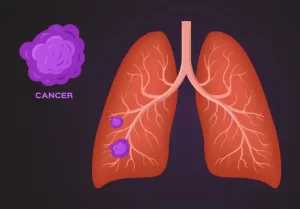
A 1.5-kg rare tumour was removed from the right lung of a 15-year-old boy from Byculla, Mumbai. The boy had complained of breathlessness and cough, following which the family physician thought that it could be Covid-19 and asked for few tests. However, chest CT scan confirmed a large tumour of 16cm x 14cm x 12cm size in his right lung. The patient was then admitted to Wockhardt Hospitals in Mira Road for tumour removal surgery. Dr Upendra Bhalerao, cardiovascular and thoracic surgeon at Wockhardt Hospitals, said the cystic tumour was growing with age and became as big as a football, thus compressing his right bronchus, trachea and adjoining chambers of heart, which in turn led to breathing problems and cough. He added that the tumour was completely removed by thoracotomy without removing any part of his lung. It was found that it was a very rare benign tumour. The patient’s father said, “My son was facing breathlessness and cough, but we were not able to understand the reason behind it. Due to the Covid-19 pandemic, we were delaying a visit to the hospital. But we were shocked when we learnt about the massive size of the tumour. Now my son has been given a new lease of life. He will soon be discharged from the hospital and lead a normal life.” Source: https://www.hindustantimes.com/cities/1-5-kg-lung-tumour-removed-from-mumbai-teen-at-mira-road-hospital/story-GhKYP1r4dnjprXkyk3Y3xL.html

Read More
Brain Haemorrhage Surgery

6-Year-Old Boy with Brain Haemorrhage Underwent Decompressive Craniectomy

A team headed by Dr. Ankit Gupta, lead pediatric Intensivist, and Dr. Ashwin Borkar consultant neurosurgeon at Wockhardt Hospitals Mira Road gave a fresh lease of life to a 6-year-old boy from Ahmednagar who was suffering from Sideroblastic anemia had undergone bone marrow transplantation and later has brain hemorrhage. The boy underwent a decompressive craniectomy. The boy is back on track now. Life was beautiful until the parents of a 6-year-old Shahid, a resident of Ahmednagar (currently staying at Borivali) noticed that he had vomited and was unresponsive in the middle of the night. Sideroblastic anemias are a group of bone marrow disorders characterized by increased accumulation of iron in the red blood forming precursor cells. He came to the ER at 4 am. wherein doctors saved his life. Dr. Ankit Gupta Lead Paediatric Intensivist Wockhardt Hospitals said “In the ER he was unresponsive, actively convulsing and showed life-threatening signs of brain herniation. CT scan of the brain suggested he had a severe form of brain hemorrhage which if not treated urgently would ultimately lead to death in a couple of hours. Dr. Ashwin Borkar consultant neurosurgeon at Wockhardt Hospitals in Mira Road who performed Shahid’s brain surgery said, “An extra Dural Hematoma is a common occurrence following traumatic head injuries and accidents but spontaneous EDH which happened in Shahid’s case is very rare. It could be due to platelet dysfunction altered blood coagulation parameters and ineffective bone marrow. Hematoma causes progressive compressive effects on the brain causing unconsciousness, coma and may be fatal if not evacuated timely. As the child was brought in a comatose condition he was immediately put on a ventilator and taken up for an emergency cranioplasty surgery and Hematoma evacuation after a CT scan of the brain showed a massive Hematoma. This surgery involves creating a window in a skull bone overlying the Hematoma and the use of suction to remove the clot and is a life-saving surgery wood and timely. Control of bleeding during such surgery is challenging due to altered blood parameters hypertension and massive clot size. Dr. Ankit Gupta further added, “he had a stormy post operation course, where he developed HLH (Haemophagocytic Lymphohistiocytosis) which is a potentially fatal condition wherein the immune system gets excessively activated and destroys the normal cells of the body. The boy has resumed his daily activities and is fine now.” “Father is an advocate. Our world came crashing down when we came to know that he has a brain hemorrhage. But, timely treatment at Wockhardt Hospitals, Mira Road helped him get back on track. We thank the doctors for giving my son a new lease of life.,” concluded the patient’s father’s Shehzad (name changed) Source: https://apekshanews.com/6-year-old-boy-with-brain-haemorrhage-underwent-decompressive-craniectomy

Read More
Tavi

Heart Valve replacement needs no surgery now, First case of TAVI performed at Wockhardt Hospitals, Nagpur

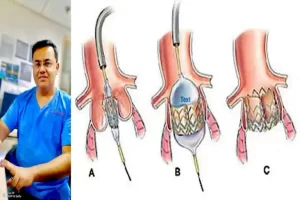
62-years-old, women (Kusum Gautam) from Satna, M.P. came to Dr. Nitin Tiwari, Sr. Interventional Cardiologist at Wockhardt Hospitals, Shankar Nagar, Nagpur with a history of shortness of breath, difficulty in lying down, palpitations, and chest discomfort. On examination, Dr. Nitin Tiwari (Sr. Interventional Cardiologist) diagnosed that patient had severe aortic stenosis with decreased pumping of heart and heart failure. She had recurrent breathlessness for which a Non-invasive ventilator was put and had recurrent irregular heartbeats for which injections were started. She had episodes of low blood pressure also which were treated. The patient had closely survived death at least 5 times.  After seeing her critical condition and grim chances of survival, Dr. Nitin Tiwari decided after 2D Echo & CT Scan that the lady requires TAVI (Transcatheter Aortic Valve Implantation) which is an interventional procedure just like angioplasty in which a crimped valve is put in the aortic position through a small puncture in the groin without major surgery or incisions on the chest. On August 29, 2020, the Myval TAVI valve was deployed by Dr. Nitin Tiwari and his team with excellent results. The lady’s parameters improved immediately and her pumping of the heart also improved from 25 % to 42 % in 2 days. Aortic stenosis (AS) is the most common degenerative valvular heart disease in the developed world. It affects about 2 % of people who are over 65 years of age. In those who have symptoms, without repair, the chance of death at five years is about 50 % and at 10 years is about 90 %.  The survival decreases drastically in a patient with AS after the onset of heart failure. The average life expectancy is about 2 years after the onset of heart failure. The incidence of sudden cardiac death is higher in symptomatic severe AS ranging around 34 % when compared to asymptomatic severe AS 1 %. Hence symptomatic severe AS patients are prone to develop sudden cardiac arrest during hospital stay awaiting aortic valve replacement and are also difficult to revive. In acutely decompensated severe AS, emergency TAVI is feasible which can be performed quickly with experience.  Apart from Rheumatic heart disease and Bicuspid valve the risk factors for developing AS are similar to those of coronary artery disease and include smoking, high blood pressure, high cholesterol, diabetes, and being male. What happens during TAVI? It is performed in the Cath Lab. Depending on your health; the doctor will determine what type of anesthesia is best for you. You may be fully asleep, or you may be awake but are given medications to help you relax and block pain. Your heart will continue to beat during the procedure. This is quite different from open-heart surgery, in which your heart will be stopped, and you will be placed on a heart and lung blood machine.  Dr. Nitin Tiwari thanked his team especially, Mrs. K. Sujatha, (Centre Head, Wockhardt Hospitals), Dr. Maulik, Dr. Awantika Jaiswal, Dr. Jayaprasanna, Dr. Atul Somani, Dr. Kunal Balpande, Mr. H. Munde, Mr. Raut, Dr. Devendra, Mr. Amit Mukherjee, Mr. Mohit and all others who contributed in the success of the procedure. Dr. Nitin Tiwari is the first Cardiologist from Nagpur to be formally trained to do TAVI at Klinikum Oldenburg, Germany, where under Dr. Elsasser, he performed around 8 TAVI’s. TAVI’s being done in Wockhardt Hospitals in Nagpur is a good sign said Dr. N. Tiwari, and the patients no longer need to go outside Nagpur for this procedure although the cost still remains high, with more acceptance, it is bound to come down. Source: https://thelivenagpur.com/2020/09/13/heart-valve-replacement-needs-no-surgery-now-first-case-of-tavi-performed-at-wockhardt-hospital-nagpur/

Read More

Infant undergoes Kasai surgery at Wockhardt Hospitals

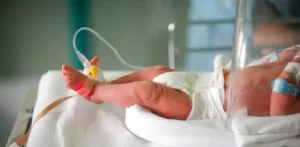
A two-month-old baby underwent a successful Kasai surgery at the Wockhardt Group of Hospitals at Mira Road in Thane district in the far suburbs of Mumbai. The baby was noticed to have increasing jaundice starting from 6 weeks of age. A systematic assessment and diagnosis showed that the baby suffered from rare congenital liver disease called Biliary Atresia. After a Kasai surgery, the baby presently now three months old and is accepting feeds, and passing regular stools. The baby now weighs 4.3 kg. The parents, residents of Mira Road, were elated on the birth of their first baby, a boy, Krisha. He developed jaundice six weeks after of birth. His parents noticed symptoms such as jaundice, pale stools, bloated stomach, dark urine and excessive irritability. They consulted Dr Samir Sheikh and Dr Lalit Verma about the baby’s health. He was admitted to Wockhardt Hospitals in Mira Road. Dr Verma said: “At 6 weeks, the baby came presented with jaundice and symptoms such as the increased size of liver on sonography and liver biopsy was conducted that indicated the baby suffered from a rare congenital liver disease known as Biliary Atresia (BA).” He said that it is a condition wherein the connecting duct between the liver and intestines is either absent or malformed since birth with an unknown cause. The bile becomes stagnant in the liver and causes permanent liver damage. It is a fatal congenital liver disease found only 1 in 5,000 which goes undetected. After counselling the family, the baby was scheduled for Kasai portoenterostomy procedure as it has to be performed within the 90 days of diagnosis. During the surgery, the surgeon’s Dr Kant and Dr Pankaj recreated a duct using a small intestine and then attached it to the liver. This provides a path that can allow bile to drain from the liver. Surgery is not a cure for biliary atresia but it helps the liver work better for many years as it corrects many of the symptoms caused by the atresia. The surgery lasted for 4 hours. The baby was in the ICU for 2 days and then shifted to the normal ward where he stayed for 5 daysbefore getting discharged. The baby is tolerating feeds, passing stool and weighs 4.3 kgs on a Follow up after surgery. “Our world came crashing down on knowing about Krisha’s condition. Fortunately, he receivedtimely treatment at Wockhardt Hospitals, Mira Road. We thank the doctors for saving his life. Krisha is back on track now,” the baby’s father said.  The Kasai procedure involves removing the blocked bile ducts and gallbladder and replacing them with a segment of your child’s own small intestine. This segment of intestine is sewn to the liver… Source: https://www.deccanherald.com/national/maharashtra-infant-undergoes-kasai-surgery-878501.html

Read More
Senior Citizens During Pandemic

How to Take Care of Senior Citizens During Pandemic by Dr Behram Pardiwala, internal medicine expert Wockhardt Hospitals Mumbai Central

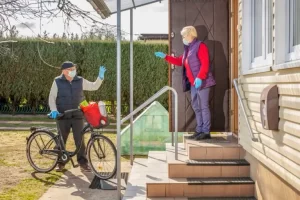
COVID-19 is the virus that causes respiratory disease and in serious cases, it can lead to pneumonia. If one exhibits symptoms such as respiratory symptoms, fever, cough, shortness of breath, and breathing difficulties then he/she may suffer from Coronavirus. More severe cases of COVID-19 can also cause severe acute respiratory syndrome and kidney failure. These symptoms can be particularly dangerous for elderly patients or people with existing health conditions. This is so because the immunity of older people may weaken as they age. The elderly may need a helping hand and they also often need to have people around them. They may have existing comorbidities and recoveries are usually slower and more complicated. They may panic and get anxious as well. Thus, here the role of the family is important in helping them stay in top shape. Here’s how you can support and lend a helping hand to the senior citizens · Senior citizens should eat healthily and strengthen their immune system. See to it that you avoid binge eating while at home, and only stick to healthy eating. Say no to junk food as that can take a toll on your health. Go for green leafy vegetables, whole grain foods such as nuts and seeds, and a whole range of fresh fruit and vegetables, particularly for things like Vitamin C. · Check on them from time to time. Speak to them and allow them to open up about their feelings. Cook for them, bring groceries for them and spend some quality time with the seniors. · Ensure that you stock up all the medical supplies for your elders. Do not allow them to venture out of the house or come in contact with people who are sick. Make sure that even they follow the social distancing norms and use masks. · Look for any changes that occur in the elderly as they can also suffer from allergies and infections. Monitor their temperature, blood sugar levels, and blood pressure at home. Check whether they take medications on time. Encourage them to wash their hands from time to time. If need be, stay in touch with the doctor via teleconsultation or video consultation. · Encourage the elderly people to stay in contact with friends and relatives via calls or video. · Help them to do light exercises at home. This is so because immobility can invite joint problems. · Help the elderly people to stay occupied by introducing them to activities such as reading, puzzle-solving, crossword, Ludo, meditation, or listening to music. You can also play indoor games like carrom and chess with your elders. · Keep your surroundings clean and help the elderly maintain good personal hygiene. Source: http://mediabulletins.com/business-world/how-to-take-care-of-senior-citizens-during-pandemic-by-dr-behram-pardiwala-internal-medicine-expert-wockhardt-hospital-mumbai-central/

Read More
Waterborne Diseases

Tips to Keep Waterborne Diseases at Bay

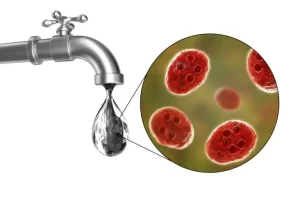
Did you know? Water-borne disease or water-related diseases can be termed as an illness caused by recreational or drinking water contaminated by human or animal feces containing pathogenic microorganisms. Some common waterborne diseases are typhoid fever, malaria, dysentery, diarrhoea, cholera, hepatitis, worms, etc. Hence, you will have to follow some vital tricks such as wash food properly before cooking, drink boiled water, and eat home-made food. Read on to know further… Are you aware? Waterborne diseases are illnesses that occur owing to the microscopic organisms, like viruses and bacteria that are ingested through contaminated water or by coming in contact with feces. It is no brainer that contaminated water carries viruses such as Hepatitis A and E, bacteria like E. coli. E. coli which can be passed from hand to hand, through street food or food handled by someone carrying E. coli bacteria. It can lead to food poisoning as well). Not only this, but one may also suffer from Typhoid fever, malaria, dysentery, diarrhoea, cholera, hepatitis, worms, etc. moreover, but there are also other waterborne diseases such as diarrhoea, dysentery and even meningitis. It is the need of the hour to take precautions and lead a disease-free life. Follow these fool proof strategies to prevent waterborne diseases Garlic can help cure a common cold as it involves a cold-fighting compound known as allicinwhich has demonstrated antibacterial and antifungal properties. You can add freshly chopped garlic in the soup and drink it. Ginger can help you get relief from respiratory problems and strengthen the immunity owing to the anti-inflammatory gingerols and shaogals present in it. It has a calming and soothing effect on the body to offer relief from cold.  Other foods that you must eat- spinach, cauliflower, citrus foods, lemon, green tea, pineapple, guava, and buttermilk. BY: Pratik Tibdewal, Consultant Gastroenterologist, Wockhardt Hospitals, Mira Road Source

Read More

Second Opinion