Latest Press Release Articles | Wockhardt Hospitals

ARTICLES ON Press Release

Latest Articles on Press Release

Diabetes

Wockhardt Hospitals, SOBO Launches a Diabetes Clinic Powered by Wellthy Therapeutics

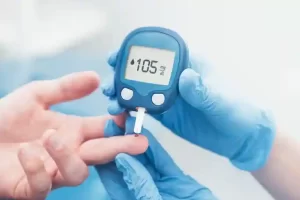
With a growing number of diabetic patients in the country, there is a dire need for more clinics so that affected people are saved from Diabetes & Diabetes related problems.Wockhardt Hospitals in Mumbai a JCI & NABH Accredited hospitals in association with Wellthy Therapeutics launched a “Diabetes Clinic”. Digital technologies suite for diabetes will be used to help people in treatment from the medical condition. The Launch was followed by seminar for visiting patients with free check up of HbA1c test and diabetes camp. Digital therapeutics, also known as “software as a drug,” involves the use of digital tools or systems to treat medical conditions. In digital therapeutics, digital technologies such as apps, devices and software are used to treat patients in the same way drugs, surgeries or medical devices are applied therapeutically. Digital therapeutics may be used as stand-alone treatments or as part of a broader treatment program that incorporates both digital and non-digital (conventional) therapies. Dr. Parag Rindani, Centre Head at Wockhardt Hospitals mentions, “The newly launched Diabetes surgery clinic aims to offer accessible surgical solutions for patients who seek aid with various problems related to diabetes. Our patients with chronic conditions like diabetes stand to benefit from continuous and real-time care provided by Wellthy Therapeutics’ digital therapeutic suite, as we enable out-of-clinic extensions to our world-class in-clinic care to help our patients improve their health outcomes. Diabetes clinic will comprise of endocrinologist, Diabetic Foot Surgeon, Neurologist, internal medicine expert and other specialties. Source: https://health.economictimes.indiatimes.com/news/hospitals/wockhardt-hospital-sobo-launches-diabetes-clinic/66759060

Read More
Free Heart Surgery

15 Children were offered Free Heart Surgery at Wockhardt

The Wockhardt Hospitals at Mumbai Central on Monday announced that it had successfully performed 15 complicated heart surgeries on children this year. The hospital has started an initiative called Little Heart where patients who cannot afford treatment are offered free surgeries. Dr. Suresh Joshi, director of the hospital’s paediatric and congenital heart centre, said, “Cardiac surgery in India is complex, and when we speak of paediatric cardiac procedures, it gets more critical. We have performed an open heart surgery on a four-hour-old baby. We are setting new clinical benchmarks every time we conduct a procedure.” The hospital felicitated Rotary International president-elect Mark Maloney at the event. Source : https://www.thehindu.com/news/cities/mumbai/15-children-undergo-heart-surgery-at-wockhardt/article25601241.ece

Read More

No silicone implants in breasts, doctors tell Australia woman who underwent operation in Thailand

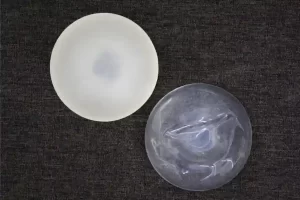
MUMBAI: In a case that highlights the perils of the cosmetic surgery industry, an Australian national who reportedly underwent a breast implant surgery in a Thailand clinic and developed side-effects thereafter, was told by city doctors—from whom she had sought a second opinion—that she didn’t have any implants. The 44-year-old woman was given silicone injections instead of an implant and had several ‘particles’ scattered across her breasts and developed nodules as well, the doctors said on Monday. “The patient is not ill, but the case proves the need for proper homework before undergoing a cosmetic procedure,” said Dr Bhagyam Nagarajan, a radiologist at Wockhardt Hospital near Mumbai Central, who diagnosed the problem and has written an article for publication in the indexed ‘Indian Journal of Case Reports’. “We want to highlight that even though this patient is educated, she didn’t do proper checks and decided to undergo ‘surgery’ at the Thai clinic because it promised implants at an attractive discounted price,” she added. Silicone injections predate silicone implants, which are essentially prosthesis to change the shape and size of a woman’s breast. The injected ‘droplets’ are supposed to amalgate within the breasts, but didn’t happen in the Australian patient’s case, said Dr Nagarajan. The patient noticed that her breasts became red, discoloured and lumpy. She tried contacting the Thai clinic, but it had closed down. She then decided to come to Mumbai for a second opinion. In April, she was also examined by breast onco-surgeon Dr Meghal Sanghvi, who found her breasts discoloured and nodular. A mammogram revealed high-density masses scattered in both breasts. “Interestingly, no implant/implant-rupture could be seen. Ultrasound showed a classic ‘snow storm appearance’ with multiple cysts and free silicone causing dense shadowing. This ‘snowstorm appearance’ is classical of free silicone causing mastopathy. The patient had been given silicone injections rather than implants, which explained the discounted rates,” said Dr Sanghvi. The patient wanted the particles removed, but doctors told her that it would entail a masectomy or a breast removal surgery. “We told her that silicone is an inert material and not carcinogenic. We have advised her to not seek any intervention,” said Dr Sanghvi. Ideally, patients should check the accreditation of the clinic before undergoing cosmetic surgery and get details of the procedure performed. Headline & Link : https://timesofindia.indiatimes.com/city/mumbai/no-silicone-implants-in-breasts-docs-tell-oz-woman-who-underwent-op-in-thai/articleshow/66977396.cms

Read More
Cortication of Aorta

Rare Case of Cortication of Aorta Treated Successfully

Interventional Cardiology at Wockhardt Hospitals, Nashik proves to be an advantage to Cardiac Care services. Rare case of Cortication of Aorta treated successfully. Big congratulations to Dr Vijay Sinh Patil, Interventional Cardiologist and other nursing team members of Wockhardt Hospital Nashik who proved “Life wins’.

Read More
Traumatic Head Injury

Critically ill Injury patient was saved at Wockhardt Hospitals

Mr Ajay Singh a 40 year old security guard fractured his hand few days was admitted in the emergency department at Wockhardt Hospitals in a poor clinical condition. He was brought on ventilator support and had also suffered traumatic head injury to his head and was in semi-comatose state. No pulse was felt in his upper arm limbs due to the injury. Dr Girish L Bhalerao an experienced orthopaedic surgeon at Mira Road Hospital examined the patient. On observation by Dr Bhalerao patient has severe injuries to his arm and skin was removed (fasciotomy). The skin had in due course turned blackish brown and showed signs of deterioration or ischemia. His fingers were dark blackish blue showing signs of reduced oxygen and blood supply to the arm. Patient’s condition was deteriorating and vitals had reached a critical level. The blood pressure was dropping, pulse was racing and he was severely dehydrated due to the extended injury caused. Blood reports showed that the kidney was shutting down. Patient was also suffering with uncontrollable diabetes, alcohol withdrawal symptoms and electrolyte imbalance. Dr Bhalerao diagnosed the patient with impending compartment syndrome due to fracture of humerus. The fracture had reduced blood circulation to the forearm and fingers. He had oedema (fluid accumulation) cyanosis (bluish discolouration) spreading to the chest area. Though patient was of poor financial status Dr Bhalerao spoke, to relatives of the serious condition of the patient and that it was now imperative that the patient be moved to the intensive care department for managing the case more effectively and prudently. Dr. Manish Hinduja and ER doctors Dr Sharad and Dr Hazel assisted Dr Bhalerao to alleviate the dropping health parameters and status of patient. However due to certain falling health parameters diagnostic investigation could not carried out as it might be risky. Doctors had to rely solely on their clinical judgment and skills to manage the patient. It was decided that the fracture site needed to be explored with surgical intervention. The next course of action due to complicated nature of the fracture he case was orthopaedic surgical intervention by Dr Girish to explore the fracture site and to determine the cause of poor blood circulation. Patient was brought in for surgery to fix the fracture and decompression of the compartment at the OT. On exploring the site Dr Girish observed that the fracture was impinging on major arterial vessels in the forearm and arm causing the occlusion of the vessels. Dr Girish not only repaired the fracture but isolated and restored the damaged neurovascular bundle. After the repair Dr Manish Hinduja assessed the blood circulation in the arteries in the arms and confirmed that the circulation was restored. Embolectomy was not required as blood flow was re-established in the limb. Within 24 hours the patient condition improved and all vital parameters including blood profile was dramatically improving. Patient’s condition was reaching a stable condition. The trauma site was recovering well. On recovering Mr Ajay was very grateful to all the team of doctors, especially Dr Bhalerao and Dr Manish at Wockhardt Hospitals. It was a complete team effort with commendable efforts put in by the emergency medical services, intensive care services and operation theatre for promptly managing the case and saving the patient’s life He also appreciated the overall management and logistic support by the hospital for his care and medical intervention.

Read More

World Lymphoma Day: 15 September, 2024

World Lymphoma Awareness Day (WLAD) is held on September 15 every year and is a day dedicated to raising awareness of lymphoma, an increasingly common form of cancer. Lymphoma is increasing in incidence and is a potentially life-threatening disease. One million people worldwide live with lymphoma and nearly 1,000 people are diagnosed with the disease every day but there continues to be very little awareness of the signs and symptoms of lymphoma. Fully Recovery of a Blood Cancer Patient at Wockhardt Hospitals, Nagpur A 55 year old gentleman had been unwell for 3 months and had variety of symptoms. He had fever fatigue and weight loss. Prior to his admission at Wockhardt Hospitals in Nagpur the patient had gone to various medical centres in and around Nagpur and was advised various investigations, but no clear diagnosis was given by any of the doctors. Finally he was admitted to Wockhardt hospitals Nagpur and was suffering with severe breathlessness and high grade fever. At the hospital the clinical experts decided to perform various Investigations which later revealed massive fluid around the heart and Lungs. The patient became critical and necessary medical attention was required to be given. He was immediately shifted to ICU and drain was inserted around lungs to decompress chest cavity to reduce the discomfort and reduce the chances of mortality. Wockhardt hospital doctors carried out required haematological investigations on the patient and discovered that the patient was suffering from a blood cancer condition called Hodgkin’s Lymphoma (A type of blood cancer). Clinical acumen and advanced haematological investigation and the Wockhardt Hospital unit was able to reveal the actual nature of the patients disease and treatment modalities were set to treat the condition of the patient. Hodgkin’s lymphoma formerly known as Hodgkin’s disease is a cancer of the lymphatic system, which is part of your immune system. It may affect people of any age, but is most common in people between 20 and 40 years old and those over 55. In this condition, cells in the lymphatic system grow abnormally and may spread beyond it. Doctors aren’t sure what causes Hodgkin’s lymphoma. But it begins when an infection-fighting cell called a lymphocyte develops a genetic mutation. The advances in medical diagnosis and treatment today have helped give people with this disease the chance for a full recover like in our case today. After the diagnosis was revealed the patient was started on Chemotherapy with all necessary supportive measures. The patient has completed his course chemotherapy and tests reveal that the patient is completely cured with no evidence of Lymphoma. After the treatment the Patient is doing well and has resumed all normal activities. The patient was grateful to prompt the diagnosis and his recovery was solely the judgement of the clinical expertise of the medical oncology team and the advanced laboratory diagnostics in haematology department set up at Wockhardt hospital Nagpur. The treatment of blood cancer required a multidisciplinary disciplinary approach blood such as diagnostics, radiation and medical oncologists, pathologists, radiologists, nuclear medicine physicians, nurses and other relevant health professionals. Like many multispecialty hospitals Wockhardt hospital offer the most advanced diagnostic technologies and treatments available for blood cancer today. The department of haematology is the branch of medicine concerned with the study, diagnosis, treatment, and prevention of diseases related to the blood. At Wockhardt Hospital the speciality is fully equipped in diagnosing the various different types of blood conditions that are looked at include anaemia, thalassemia, haemophilia, general blood clots, bleeding disorders, haematological malignancies such as lymphoma and leukaemia (cancers) as well. At Wockhardt Hospitals, we have essentially a team of highly trained specialists, nurse clinicians, physical and occupational therapists who are all equipped to provide patients with care in the field of Haematology. We use the latest in pharmaceuticals and leading-edge technologies to help you win over diseases and live a normal life. For further information and treatment please visit Wockhardt Hospital.

Read More
Brain Tumour

Brain Tumor

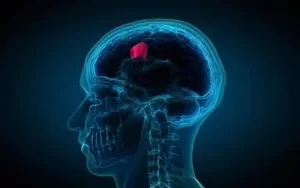
A brain tumor is a mass or growth of abnormal cells developing in the brain. They can be benign or malignant. The tumors can be primary brain tumors originating in the brain (Gliomas) itself or in tissues close to it, such as in the brain-covering membranes, cranial nerves, pituitary gland or pineal gland. Sometime tumor can be a secondary lesion from another cancer in the body and spreads to the brain ( Metastatic Brain Tumors) .Brain tumors can grow rapidly and affect well the function of your nervous system. Symptoms of brain tumor include: Diagnosis of brain tumors can generally be carried through a neurological examination. Diagnosis can be carries though CT scans, MRI, PET scan and through biopsies. These are generally advised by a neurologist or neurosurgeon. At Wockhardt Hospitals we provide advanced imaging support for diagnosis for further evaluation and treatment. The standard treatment for brain tumors includes surgery, radiation therapy, and/or chemotherapy. In general, radiation and chemotherapy treatments are used as secondary or adjuvant treatments for tumors that cannot be managed using only surgery. However, radiation and chemotherapy may be used without surgery if the tumor is inoperable. Neuro-Oncosurgery at Wockhardt Hospitals: Neuro-oncology is a sub-specialization that deals with brain tumors and spinal cord tumors. These tumors can be both benign (non-cancerous) or malignant (cancerous). Malignant tumors can be divided into primary – that arise from within the brain and spine and secondary tumors – that have spread to brain and spine from other body parts, known as metastatic tumors. All types of brain and spinal cord tumors may produce symptoms that vary depending on the part of the brain and spinal cord involved. With the advancement of technology (advanced microscopes, intraoperative navigation) and better investigation facilities, the morbidity and mortality associated with the brain and spine surgeries has drastically decreased in last two decades. Treatment of benign brain and spinal cord tumors is done by surgical excision, whereas, in case of malignant brain and spinal cord tumors, either chemotherapy or radiation therapy is required, in addition to surgery. Common benign tumors of brain are meningioma, acoustic neuroma, schwannoma and pituitary tumors. Pituitary tumors can be removed through nose with endoscope or microscope without opening the skull. Generally surgery is suggested for the following in case of brain tumors Need for surgery: Some surgical techniques include: Craniotomy: Cranioplasty surgery is the most common surgical procedure for excision of brain tumor. An area of the bone is cut out from the skull, the tumor is removed. The whole process is guided by MRI or CT scans either before the surgery or during the surgery. Neuroendoscopy: It also called keyhole brain surgery is done by making small opening in the brain with the aid of endoscope. Neuroendoscopy enables neurosurgeons to access areas of the brain that cannot be reached with traditional surgery and remove the tumor without cutting or harming other parts of the skull. The procedure is performed using an endoscope, a small telescope-like device equipped with a high-resolution video camera and eye piece on the end to allow the neurosurgeon to navigate and access the tumor. At Wockhardt Hospitals we have a dedicated team of neurosurgeons, medical oncologists, paediatric oncologists and radiation oncologist specialised in Neurooncolgy. The specialists also use latest operative advances with navigation, advanced surgery techniques and neurophysiology monitoring . For more information on brain tumors symptoms, diagnosis and treatment contact our neurosurgery department at Wockhardt hospitals.

Read More

Blood Donation: Safe Blood For All

This year’s theme is to create an awareness of the need for regular blood donation. Its main objective is to ensure that all individuals and communities have access to affordable and timely supplies of safe and quality-assured blood and blood products, as an integral part of universal health coverage and a key component of effective health systems. Blood is an important resource, both for planned treatments and urgent interventions. It can help patients suffering from life-threatening conditions live longer and with a higher quality of life, and supports complex medical and surgical procedures. Blood is also vital for treating the wounded during emergencies of all kinds (natural disasters, accidents, armed conflicts, etc.) and has an essential, life-saving role after child birth. Unfortunately, as a result of lack of knowledge, there is a serious shortage of blood donors. On this World Blood Donor Day, observed on the 14th 2019 June every year let us all pledge to actively take part in blood donation drives. Some FAQ s by donors: Can a diabetic patient donate blood? If you take insulin, you are not eligible to donate. The rationale is that donating could interrupt the glucose control of the body, and potentially lead to a hypoglycaemic reaction in the clinic or on the way home. However, if you manage your diabetes with lifestyle or diabetes pills, you may be eligible, depending on your overall health. Ask your doctor about your eligibility. If I smoke can I donate blood? Smokers are indeed eligible to donate, but there are a variety of other eligibility guidelines for donation that may decide your eligibility. It’s best to consult a doctor. Note – After donating, it is recommended you avoid smoking for at least 3 hours and not consume alcohol for 24 hours. Is Donating blood painful? Among other important things to know about blood donation, this one is crucial. Giving blood does not hurt. There is a slight prick when they put in the needle, and then you don’t feel much of anything during the donation; maybe an odd feeling in your arm, where the needle is inserted. Immune system becomes weak when you donate blood. How long does the procedure take? All it takes is 45 minutes to one hour to donate. The donation procedure itself takes about 10 to 12 minutes. But it also takes time to fill out the donor registration form, conduct a mini-medical exam, and rest and enjoy refreshments following a donation. What are the criteria to be a donor? Who cannot donate blood? How much blood is collected per unit? Each individual can donate up to 350/450 ml. of blood. The body can replenish this volume within 24 to 36 hours. What should a donor eat and drink prior and after the donation? Drink some liquid like tea, coffee, a cold drink, juice, etc.to replenish fluid and eat some snacks. The donor can eating light snacks and a drink (non-alcoholic) before blood donation . What is the procedure for blood donation? Procedure is done in the blood bank using all aseptic precautions. Blood is collected in sterile disposable bags and needles are used to collect your blood. These disposable items are for one-time-use only. How does a donor benefit? What diseases are screened to ensure safe blood? All mandatory screening for the transfusion transmissible diseases like HIV1 and HIV2, HBV, HCV are done with the more sensitive and specific CMIA and ELISA method. All units are screened for VDRL and Malarial parasite. Before issuing blood, compatibility tests (cross-matching) is done before giving the recipient. How long is the unit of blood stored in the blood bank ? Whole blood can be stored for up to 35 days. The various blood components can be stored as under: Platelet Concentrate – 5 days Platelet Aphaeresis – 5 days Packed Cells – 42 days Fresh Frozen Plasma – 1 year Cryo Antihaemophilic Factor – 1 year For further queries and information on voluntary blood donations please contact our blood bank at Wockhardt Hospitals.

Read More

Paediatric heart surgery cures a 9 year old boy’s birth heart defect

Tejas Ahire weighed 15kg, at the age of 1 and was diagnosed with congenital heart defect. He was a blue baby complaining of breathlessness and no weight gain. Through a camp, Dr. Suresh Joshi and team came to know about Tejas’ condition. After evaluation, doctors revealed that Tejas presented with a heart condition called transposition of the great arteries, which occurs during foetal growth when the baby’s heart is developing. This birth defect is unknown, in most cases. This condition is a rare heart defect present during birth (congenital), in which the two main arteries leaving the heart are reversed (transposed). Heart surgery is needed to correct the condition. Transposition of the great arteries changes the way blood circulates through one’s body, leaving a shortage of oxygen in blood flowing from the heart to the rest of the body. Without an adequate supply of oxygen-rich blood, the body can’t function properly and the child faces serious complications. Furthermore the defect is accompanied with a condition called Ventricular Septal Defect (VSD), which is a hole in the wall separating the two lower chambers. It was also observed that the blood flow to his lungs was decreased. Under the experienced hands of the Paediatric Cardiac Surgery India team at Wockhardt Hospital Mumbai Central, led by Dr. Suresh Joshi, Consultant Pediatric Cardiac Surgeon, and Dr. Manish Chokhandre, Interventional Paediatric Cardiologist, the surgery was effectively carried out. Dr. Suresh Joshi, Consultant Paediatric Cardiac Surgeon, Wockhardt Hospital, Mumbai Central, said “When it comes to Tejas, in the first stage known as Glenn shunt surgery, we added a tube carrying blood from the lower body to the pulmonary artery, but the communication was closed using a membrane. The connection is made into the tube so that the deoxygenated blood gets directed to heart only, thereby avoiding sudden flooding of lungs and providing a platform to finish the second stage in Cath lab without the need for surgery.” Six months later in the month of February 2019, the completion of the Fontan, the second stage procedure, was carried out in a Cath lab by Dr. Manish Chokhandre, interventional paediatric cardiologist, who perforated the membrane between the tube and pulmonary artery, and balloon dilated the communication and closed the other holes (which was directing blood to the heart). The device provided a pathway that the de-oxygenated blood from the lower half of the body easily gets directed to the lungs. According to Dr. Manish Chokhandre, Pediatric Cardiologist, Wockhardt Hospital, Mumbai Central there are no such published cases in literature from India and very few centres from abroad are performing this kind of surgery. This procedure has many benefits. Firstly there is no need for opening the chest surgically. Thereby a patient can have an early recovery, reduced hospital stay, fewer complications, and no post-procedure pain. This definitely makes the procedure cost effective. Wockhardt Paediatric and Congenital Heart Defect Centre is one of a kind in Mumbai. It boasts an experienced panel of paediatric surgeons, cardiologist, intensivists, and anaesthetists, per fusionists and trained nurses as well as technologists who as a team deliver the best care to children with congenital heart diseases. Paediatric cardiac surgery in children are indicated to repair heart defects a child is born with CHD (congenital heart defects) and heart diseases a child gets after birth. Cardiac defects are grossly divided into acyanotic and cyanotic heart diseases, former being more common. Paediatric cardiac surgery is needed for the child’s wellbeing is carried out by highly specialised and reputed paediatric cardiac surgeons of Wockhardt Hospital. The department has played a pioneering role in both on and off pump cardiac neonatal surgeries as well as complex congenital heart surgeries and repeat open heart surgeries. Our state of the art Cardiac Catheterisation and Interventional Cardiology facilities assist our expert paediatric cardiologists in dealing with closure of ASD, VSD, PDA etc. and other congenital heart surgeries .A full-fledged PICU which is under the guidance of protocol and evidence based management and is under the constant care of Consultant Paediatric cardiac care team. The department is also supported in Imaging devices such as Foetal Echocardiography ,Advanced 3-d Echocardiography and 2-d portable echocardiography for precise diagnosis of congenital heart defects in new born and children . For any further information and treatment on birth defects in the heart please, visit our paediatric cardiology department at Wockhardt Hospital, Mumbai Central.

Read More
Cardiac Care

MICS – Cardiac Care of Zambian Patient

Wockhardt shares a successful story of Vivian Mulenga, her journey at Wockhardt Hospitals, Mumbai central Cardiac care centre during the course of her treatment. She was suffering from complicated heart condition and underwent an aortic valve repair surgery. My name is Vivian Mulenga. I am from Ndola Zambia. I was suffering from a heart condition for the past one year. My symptoms started with coughing, asthmatic attacks, acidity, flatulence and breathlessness. I could not even speak for a long period of time without getting breathiness and not lift my hands. The treatment I received from the hospital in Zambia was inadequate and my condition did not improve. I was given pain killers for relieving my pain but the doctors were not able to diagnose my heart condition. A friend of mine tagged me on Facebook and suggested that I visit Wockhardt Hospitals, Mumbai central. She suggested that it’s one of the best hospitals for cardiac care, having renowned, experienced cardiologists and a fully-fledged cardiology department. The hospital provides the best of cardiac care to international patients. The cardiac services are advanced and supported with the latest technology in cardiac surgery. So, after I carried out some cardiac investigation here in Zambia I was advised by a doctor. From, the day I arrived, I was treated so warmly and I felt right at home. The international patient coordinator took care of all my needs right from the airport pick up, to my admission procedures at the hospital. The process was extremely efficient. The cardiologist at the hospital, assessed my case. I was very impressed with his thorough explanation and he discussed all the pros and cons of my case and the procedure. The doctor extended complete support throughout my stay and was always available for feedback on my progress. After the surgery I feel like a different person. All my symptoms seem to have disappeared and I am able to live a better quality of life. I feel less tired and I have a new zest for life. I would like to thank the hospital for my treatment.
Read More

Second Opinion