Latest Press Release Articles | Wockhardt Hospitals

ARTICLES ON Press Release

Latest Articles on Press Release

World Liver Day: 19 April, 2024

To build awareness and understanding importance of liver in human body and how liver ailments can be treated. Hepatitis is a general term referring to inflammation of the liver. It may result from various causes, due to viral, bacterial, fungal, and parasitic organisms. Non-infectious causes could be due to alcohol, poisonous substances, and autoimmune hepatitis. Viral hepatitis is one of the major causes of liver disease. Viruses that primarily attack the liver are called hepatitis viruses. There are several types of hepatitis viruses including types A, B, C, D, E, and possibly G. Types A, B, and C are the most common. All hepatitis viruses can cause acute hepatitis and liver disease. Causative Agents of Hepatitis: • Hepatitis A: Is transmitted through consuming food or water, contaminated by faeces from a person infected with hepatitis A. • Hepatitis B: Is transmitted through contact with infectious body fluids, such as blood, vaginal secretions, or semen, containing the hepatitis B virus. • Hepatitis C: is transmitted through direct contact with infected body fluids, typically through injection drug use and sexual contact. • Hepatitis D: also called delta hepatitis, hepatitis D is a serious liver disease caused by the hepatitis D virus (HDV). HDV is contracted through direct contact with infected blood. • Hepatitis E: a waterborne disease caused by the hepatitis E virus (HEV). Hepatitis E is mainly found in areas with poor sanitation and typically results from ingesting faecal matter contaminated with virus. Signs and Symptoms of Hepatitis: • Fatigue • Flu-like symptoms • Dark urine • Pale stool • Abdominal pain • Loss of appetite • Unexplained weight loss • Yellow skin and eyes, which may be signs of jaundice Diagnosis of Tests to Detect Hepatitis: • Physical Examination and clinical evaluation of patient • Liver function tests • Abnormal Ultrasound • Liver biopsy Treatment of Hepatitis: Measures to Prevent Hepatitis Prevention of diseases through vaccination of Hepatitis A and B: The hepatitis A vaccine is available to prevent this infection. Most children begin vaccination between ages 12 and 18 months. • Vaccination is recommended for all children age 12 months or older, for travellers to certain countries, and for people at high risk for infection with the virus. The vaccine is given as two shots, six months apart. • It’s a series of two vaccines. Vaccination is also available for adults and can be combined with the hepatitis B vaccine. The vaccine confers long-term protection against clinical illness and chronic hepatitis B virus infection. Hepatitis Vaccination A The CDC recommends that all children between ages 12 months and 23 months get this vaccine. The following people are also at risk for the disease and should be vaccinated: • Anyone who uses illegal drugs • People with chronic (long-term) liver disease • Anyone treated with blood clotting drugs, such as people with haemophilia • People who work with HAV-infected primates or in HAV research laboratories. (HAV is like HIV in animals.) • Travelers to countries where hepatitis A is common. • Countries susceptible to gastrointestinal disease In case you are experiencing any signs and symptoms of liver disease, please visit Wockhardt Hospital. We are a premiere hospital in the country specializing in the treatment of digestive disorders. We provide comprehensive digestive care to our patients. The digestive care centre at Wockhardt Hospitals makes it a centre for excellence with our clinical expertise, to treat such conditions affecting the digestive system. For further information or any gastroenterology services or liver transplant related query visit our experts at Wockhardt Hospital. Hepatitis Vaccination B The CDC recommends it for all babies, who should get their first dose as new-borns. • Anyone who has a sexual contact with a partner with hepatitis B • Anyone being evaluated or treated for an STD • Men who have sex with men • People who share needles used to inject drugs • Anyone who lives with someone who has hep B • People with end-stage kidney (renal) disease • Medical workers • Travelers to regions with moderate to high rates of hepatitis B • People with chronic liver disease • People with HIV infections
Read More
World Health Day

World Health Day: 7 April, 2024

World Health Day is a global health awareness day celebrated every year on 7 April. The theme of World Health Day 2024 is ‘My health, my right’. It is important to look after the Health of every people to make them more Stable and Strong to complete any task easily and quickly. Health is a precious gift and defines complete wellness in our journey in life. “To keep the body in good health is a duty, otherwise we shall not be able to keep our mind strong and clear”. Let’s give a minute to think about your health. Today our workaholic attitudes, negligent eating practices, sedentary lifestyles and continuous stress, tend to make us sensitive to various ailments .It is estimated that over 61 per cent of all deaths in India are due to lifestyle or non-communicable diseases, an alarming statistics that concerns our population. It is now come to light that although India might be a third world country based on socio-economic development parameters, in terms of our lifestyle and health, we have the same morbidity profile of a first world nation. Lifestyle diseases like cardiovascular, diabetes, hypertension, asthma and respiratory as well as cancers are on the rise. Some of these diseases have emerged as more fatal than hereditary and infectious diseases Some Common Lifestyle Disease: Some Tips to Prevent Lifestyle Diseases: At Wockhardt Hospital we place a great emphasis on the value Preventive care as an important speciality as well. The service shifts the focus of health care from treating sickness to maintaining wellness and good health. The preventive health care packages, in the long run save your time and effort in treating major illnesses. The program is designed in ruling out various risk factors and diagnosing abnormalities and is designed to prevent or delay the onset of illness and disease. The centres have various tie up with health care insurance companies, government schemes and third party administrators for easy access to health for check- ups, inpatients services and outpatient services. These assist in providing coverage and various payment options for the patient to avail various health care treatments at Wockhardt Hospital. The health packages in Mumbai at Wockhardt hospital comprise of Basic Health Check-up, Premium Health Check-up and Executive Heath check-up. All our packages have been carefully designed by a team of doctors for evaluation of haematological, lipid profile, systemic profile, cancer profile (kidney, liver, heart) and other diagnostic investigations taking into consideration common disease affecting the Indian scenario. The packages cater to specific age groups and have a battery of recommended tests to choose from. Your complete report is evaluated by our renowned and established consultants for further management. The preventive health care packages are designed encompassing a healthy lifestyle, exercise, diet and physical evaluation and doctors’ advice. Prevention is better than cure cannot be as well emphasised with health check programs at the hospital. To know more about our health check-up packages and how you can avail the same please contact our centres at Wockhardt Hospital.

Read More

World Tuberculosis Day: 24 March, 2024

Around 1.7 Million people with Tuberculosis are dying each year. India bears the maximum burden of Tuberculosis in the World, with approximately 800 live , being lost yearly due to this lethal disease. Tuberculosis bacteria spread from one person to another through tiny droplets or aerosols released into the air via coughing and sneezing. It is caused, by an organism called Mycobacterium Tuberculosis. It is a highly infectious disease and has various complications. Primary tuberculosis affects the lungs, also called as pulmonary  tuberculosis. Extra-pulmonary tuberculosis occurs when infection occurs in different parts of the body such as kidney, spine, brain, bone, stomach or the lymph nodes. A healthy immune system, can successfully fight TB bacteria at any point. However, when the immunity is weak or has low resistance, it can lead to tuberculosis infection. There are Two Types of Tuberculosis Latent TB and Active TB: Some Signs and Symptoms that Warrant Diagnosis Include: Risk Factors Associated with this Disease Include: People with compromised immune systems are most at risk of developing active tuberculosis. People who are infected with both HIV and TB are more likely to develop active TB than those who do not have HIV People with the following underlying conditions have an increased risk: What are Some Diagnostic Tests: Treatment of Tuberculosis: The treatment usually consists of a combination of TB drugs, (DOTS REGIME) that must be taken for at least six months. The treatment will only be successful if the drugs are taken exactly as required for the entire length of time. The first line TB drugs are:  These are the antitubercular drugs that generally have the greatest activity against killing the bacteria. All the other TB drugs are generally referred to as second line TB drugs.The drugs are used in different combinations in different circumstances. Multidrug-resistant TB arises when an antibiotic fails to kill all of the bacteria and has become very prevalent in India and is one of the major obstacle in fighting the disease. If tuberculosis is left untreated, it can also lead to death. Therefore early diagnosis and timely medication is the only way to treat this illness and combat drug resistance. The Respiratory Medicine at Wockhardt hospital provides a world class service in the diagnosis and management of various Respiratory Diseases and Sleep Disorders like Asthma, COPD, Pneumonia, Interstitial Lung Disease, Lung Cancer, and Tuberculosis. For more information on the treatment and diagnosis of tuberculosis contact our centres at Wockhardt Hospitals.

Read More
World Autism Awareness Day

World Autism Awareness Day: 2 April, 2024

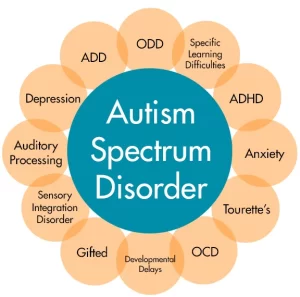
Autism Spectrum Disorder (ASD) is a neuro developmental disorder that manifests in children by the age of three years, with specific delay in social, communicative, cognitive and behavioural abilities. It is approximately four times more common in boys than girls. Autism is currently diagnosed through close observation of a child’s symptoms and development. The learning, thinking and problem solving abilities of children with autism can range from gifted to severely challenged. Different children can be affected in very different ways, but they share two main categories of symptoms: Children with Autism exhibit following characteristics: Role of the parent in Autism Spectrum Disorder and Management: Most important is keeping a healthy lifestyle with consistent routines, the same things that help all children. Here are a few of our recommendations for parents and caretakers: There is no cure for Autism, however early intervention treatment can improve the child’s development. All children with autism need appropriate educational and behavioural therapy. Other therapies include speech therapy, occupational therapy and social skills training .Some children also need medication to help with certain symptoms like trouble focusing or aggressive behaviour. In most situations, behaviour therapy is the best way to help with behaviours. For more information on Autism, its diagnosis and management please contact our Paediatric Neurologist at our centres of Wockhardt Hospitals. At Wockhardt hospitals our team manages and treats children with sensory issues or behavioural issues associated with autism through a supportive integrated approach. Our team of doctors have vast experience in managing all paediatric neurological in dealing with children from birth to young adulthood. Apart from autism we deal with a variety of conditions. Our neurologists deal with children who have seizures, head injuries, or muscle weakness, learning disabilities and attention deficit hyperactivity disorder (ADHD).

Read More

Lifestyle diseases in India & Preventive Health Care in Wockhardt Hospitals

It is estimated that over 61 per cent of all deaths in India are due to lifestyle or non-communicable diseases, an alarming statistics that concerns our population. Lifestyle diseases like cardiovascular, diabetes, hypertension, asthma and respiratory as well as cancers are on the rise. Some of these diseases have emerged as more fatal than hereditary and infectious diseases It is now come to light that although India might be a third world country based on socio-economic development parameters, in terms of our lifestyle and health, we have the same morbidity profile of a first world nation. Let’s take a look at some common lifestyle disease and WHO stats for the same:

Read More

Paediatric and Neonatology Services at Wockhardt Hospital

The Department of Paediatrics and neonatologists at Wockhardt Hospital is a comprehensive clinical department that provides investigative, treatment and emergency services for a whole range of paediatrics and neonatology conditions. It includes all medical, surgical therapeutic and diagnostic and preventive healthcare ensuring an optimal management of your child. Wockhardt is well equipped with all types of neonatal and Paediatric emergencies. Our care continues beyond delivering the bundle of joy. Wockhardt Hospitals’ Paediatric and neonatology care is one of the best in the city, delivered by a team of experts across paediatric neonatology, Paediatric cardiology, paediatric rheumatology, paediatric gastroenterology, paediatric orthopaedics , adolescent care and developmental Paediatrics. Our paediatricians provide an integrated treatment approach for children including outpatient and inpatient services. We specialise in managing high risk children successfully. Our PICU is fully equipped to handle serious illnesses and trauma cases and is in accordance with super speciality team of doctors. Our neonatology department at our unit treats the various conditions that may arise after delivery of a new born such as Birth asphyxia and Respiratory Distress Syndrome, Congenital heart disease and Congenital anomalies (birth defects) Infectious diseases such as pneumonia, Respiratory Distress and Assessment and treatment of Neonatal seizures, jaundice, as well as of extremely premature and low birth weight babies. Our NICU is equipped with incubators including transport incubators, invasive and non-invasive ventilators, high frequency ventilator, phototherapy units, bili-blankets, multipara monitors, invasive blood pressure monitors, etc.  We, provide Exchange transfusion, CPAP Care Extra-corporeal membrane oxygenation (ECMO) or Extra-corporeal Life Support (ECLS) for severe respiratory failure, and congenital heart disease. Our unit is headed by highly experienced neonatologists who manage critically new born 24*7 requiring constant monitoring and multidisciplinary management. Our services range from incubatory support, ventilators, phototherapy, surfactant administration, parenteral nutrition   , and exchange transfusion all under one roof. The back bone of our child care services is compassionate nursing care who is experienced in managing all types of cases. At our units we follow a mother centric approach which provides counselling at every stage, to help understand your child’s needs and underlying conditions.  For any further advices and treatment please our Paediatric and Neonatology department at Wockhardt Hospital.

Read More

World COPD Day: 20 November, 2024

“Chronic obstructive pulmonary disease (COPD) is affecting 251 million lives globally and it causes 3.15 million deaths per year.” COPD, or chronic obstructive pulmonary disease, is the name used to describe a number of conditions affecting the lungs including emphysema and chronic bronchitis. Chronic obstructive pulmonary disease (COPD) is a leading cause of morbidity and mortality worldwide. It is projected to rank third among all causes of death by 2024. When smoke and other pollutants enter the lungs, the cilia are often paralyzed or destroyed. This causes airways to become swollen and narrowed. Over time, lungs with Chronic Obstructive Pulmonary Disease lose their elasticity, get big and floppy, and make it hard for to breathe and release air. Tobacco smoking has been recognized as the most important risk factor for chronic obstructive pulmonary disease (COPD) for a long time, but recent studies have shown that non-smokers also contribute to a significant proportion of COPD. Multiple risk factors other than smoking also play a major role in the development of COPD, particularly exposure to biomass smoke, treated pulmonary tuberculosis, and long-standing asthma. In India, air pollution and other environmental risk factors are also leading causes of COPD. A study recently published in the Environmental Performance Index in which India ranked the fourth worst country in the world. Initial Symptoms: Progressive Symptoms: To understand treatment and management of COPD disorders please contact Wockhardt Hospital. The Department of Respiratory Medicine provides world-class service in the diagnosis and management of various Respiratory Diseases like COPD, Asthma, Pneumonia, Interstitial Lung Disease, Lung Cancer, Tuberculosis, and Sleep-Related Breathing Disorders. The Department boasts of a state-of-the-art Pulmonary Function Testing Lab for comprehensive lung function testing and a fully equipped Bronchoscopy unit for complex endobronchial diagnostic and therapeutic procedures.

Read More
World Osteoporosis Day

World Osteoporosis Day: 20 October, 2024

World Osteoporosis Day is observed annually on 20 October, all across the globe. Osteoporosis Day is dedicated to raising global awareness of the prevention, diagnosis, and treatment of metabolic bone disease and osteoporosis. Every year the day is followed by a specific theme and this year the theme is ‘LOVE YOUR BONES: Protect your future’. What is World Osteoporosis Day? Osteoporosis is referred to as thinning bones; it can result in painful fractures. Risk factors associated with osteoporosis include aging, being female, low body weight, low sex hormones or menopause, smoking, and some medications. People with osteoporosis are at a high risk of fractures, or bone breaks while doing routine activities such as standing or walking. Osteoporosis generally affects the ribs, hips, and the bones in the wrists and spine. The early stages of osteoporosis don’t cause any symptoms or warning signs. In most cases, people with osteoporosis don’t know they have the condition until they have a fracture. Receding gums, weakened grip strength, weak and brittle nails,s and Pain in joints. This test called bone densitometry, or dual-energy X-ray absorptiometry (DEXA) is used to detect osteoporosis. It uses X-rays to measure the density of the bones in your wrists, hips, or spine. These are the three areas most at risk of osteoporosis. Facts on Osteoporosis: Tips to Prevent Osteoporosis: This year’s World Osteoporosis Day campaign theme is “Love your Bones,” which reminds everyone to help prevent osteoporosis by following three easy steps:

Read More
World Stroke Day

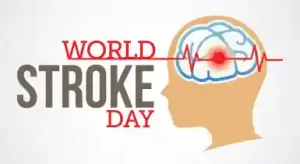
World Stroke Day 29th October : Up Again After Stroke

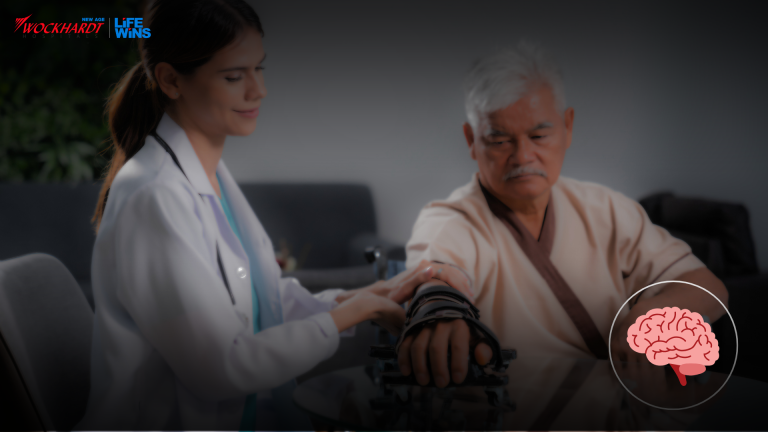
Stroke is a leading cause of death and disability globally. On World Stroke Day, the world’s attention is namely the resilience of patients and care givers and their capacity to build on the things that stroke can’t take away; their determination to keep going on the recovery journey. Stroke occurs when the blood supply to part of the brain is cut off. Without blood, brain cells can be damaged or die. Depending on which part of the brain is affected and how quickly the person is treated, the effects of stroke on survivors can be devastating to a person’s body, mobility and speech, as well as how they think and feel. STROKE IDENTFICATION: F – FACE: Sudden change in facial expression A – ARM: Sudden change in arm or leg function S – SPEECH: Sudden change in speech T – TIME: Rush to a proper hospital with stroke care facilities in time Wockhardt hospitals would like to share some recent advances in treatment and management of stoke cases: Neuro medical intervention emergency interventions at Wockhardt Hospitals saved a life and improved patient’s condition” A 40 year old patient came to the Wockhardt Hospitals, Mumbai Central in a serious condition, he was not able to speak and had weakness in the limbs. The emergency medical team, adopted the Code White protocol Code White’ which is a metaphoric alert button pushed by a team of five doctors and 16 nurses in the hospital’s emergency section. As part of the protocol in neurological emergencies, a brain resuscitation team reached the emergency room within 5 minutes and within 15 minutes; an MRI was done for a conclusive diagnosis. This resuscitation was critical for the patient and he was rushed to remove the clot in his brain. The protocol is established by Dr Shirish Hastak a very experienced neurologist and stroke expert at Wockhardt Hospitals, Mumbai central. The brain resuscitation neurological emergency is first of its kind in India. The practise is very beneficial in saving many lives and reduces the chance of the stroke progressing in many cases. The patient miraculously recovered and a permanent stroke was averted for the patient. The patient was grateful to Wockhardt Hospitals emergency services and Dr Hastak for his diligence and advancement in medical services at the facility. The patient underwent rehabilitation at the hospital and showed good progress thanks to the doctors, relatives and patients will to recover. Benefits of stroke rehabilitation care given shows fantastic progress of recovery of stroke patient Mohan Shamim developed a stroke which progressed to having difficulty in speaking and weakness of lower legs. As part of the stroke rehab program through Melodic intonation therapy, Mohan was able to express his thoughts through song, (music) as his right side was damaged .This is part of the speech therapy program that encourages stoke patient to express themselves through song or music rhythm. Dr Shirsih Hastak who specialises in neurology and stroke expressed his full support in Mohan’s treatment post his stroke and rehabilitation progress. Mohan showed tremendous strength during his rehabilitation process with encouragement from doctors and staff at the hospital. His condition has improved. Neurology Services at Wockhardt Hospitals: The Neurosciences department at Wockhardt Hospitals is well-equipped to take care of patients with complex neurological and neurosurgical problems. Our multidisciplinary team of specialists work together to provide advanced care featuring minimally invasive procedures for stroke, aneurysm and other conditions of the brain like Epilepsy management, Migraine , Memory loss/ Dementia evaluation and treatment, Peripheral neuropathy and Botox- for Spasticity/ Hemi facial spasms. Our multidisciplinary team approach enables our neurologists to work closely with cardiovascular surgeons, orthopaedic surgeons, ophthalmologists and neurosurgeons for management of stoke cases. The neuro- rehabilitation centre at our hospital provides an optimal environment for recovery, functional improvement, reduction in secondary complications, impairments & disability, teaching compensatory strategies, appropriate equipment & modifications and continuity of care. Services such as Speech & Language Therapy, Swallow Therapy, Gait & Balance training and Strength & Endurance training are provided by full-time Physical Therapists trained specially in the art of rehabilitation. Wockhardt Hospitals has state-of-the-art infrastructure. Our prime objective is patient safety and quality of care at all levels. The guiding philosophy is to serve and enrich the Quality of Life of patients and to make life win. Sudden Cardiac arrest and Cardiac Pulmonary Resuscitation: Wockhardt Hospital, Rajkot in its ongoing endeavour to promote cardiac awareness recently carried out a live demonstration on emergency intervention for first aid in cardiac arrest. Emergency medical doctors and staff showed the techniques of a lifesaving procedure called CPR to patients and relatives at the hospital. Let us understand what is cardiac arrest, how to identify the same and CPR administration. Cardiac arrest is defined as the sudden or abrupt loss of heart function. Sudden cardiac arrest is a life-threatening event that can lead to death, if left untreated or poorly managed If you observe anyone experiencing a “crushing,” chest pain in the centre or left side of your chest and severe shortness of breath at rest or a sudden loss of consciousness while exerting, the possibility is that one could be having a sudden cardiac arrest. One of the main causes of cardiac arrest is due coronary artery disease which is the most common condition. The main reason of sudden cardiac arrest is believed to be irregular rhythmic activity in the heart, triggered by lack of blood flow to the heart or damaged impaired heart muscle. Symptoms of cardiac arrest: Symptoms of cardiac arrest differ from men and women accordingly men tend to have more chest pain and women have more shortness of breath, light Headedness, and dizziness. CARDIAC PULMONARY RESUSCITATION: Emergency medical Treatment is vital when you are experiencing cardiac arrest: Emergency medical treatment is the crux of saving your life, therefore it is extremely vital to recognize the above warning signs and symptoms and seek timely medical assistance. At home of aspirin orally and dialling emergency medical services would be highly recommended. Emergency medical treatment for cardiac arrest at a hospital or in an ambulance

Read More

Second Opinion