The incidence of coronary artery disease (CAD) is increasing at an alarming rate, especially in developing countries such as India. It is often advocated that a vegetarian lifestyle could reduce the burden of CAD. However, in spite of a majority of Indians being vegetarians, the incidence of CAD is highest in this population.
A 32-year-old man was admitted to the emergency department at Wockhardt Hospitals, North Mumbai. He was brought in gasping, with a sudden onset of crushing chest pain. Before reaching the hospital, he had an ECG at a private nursing home, and it showed that he had suffered a massive heart attack. While being transferred, he lost consciousness and was unresponsive on a few occasions.
Urgent PAMI (Primary Angioplasty Myocardial Infarction) was carried out by Dr. Anup Taksande Consultant- Cardiology salvaged this patient with complete neurological recovery.
The hospital’s emergency medical team immediately carried out cardiac emergency procedures to revive the patient. He was rushed for a coronary angiography and stenting. He was discharged on day 4 in stable condition and was advised to follow lifestyle modifications along with his medications.
What Is Coronary Artery Disease, and What Causes It?
Coronary artery disease develops when the major blood vessels that supply your heart with blood, oxygen and nutrients (the coronary arteries) become damaged or diseased. Cholesterol-containing deposits (plaque) in the arteries, along with inflammation, are usually to blame.
Coronary artery disease is thought to begin with damage or injury to the inner layer of a coronary artery, sometimes as early as childhood. The damage may be caused by various factors, including:
- Smoking
- High blood pressure
- High cholesterol
- Diabetes or insulin resistance
- A sedentary lifestyle and physical inactivity
- Overweight or obesity
- High stress
- An unhealthy diet
Over time, the plaque can narrow the arteries and reduce blood flow to the heart. If a plaque ruptures, a clot can form and block the artery completely, which is what leads to a heart attack.
What Were the Doctors Looking For in This Young Patient?
None of the factors above explained this case. The patient had no underlying heart condition and no family history of one. What the doctors did identify was that he was a pure vegetarian.
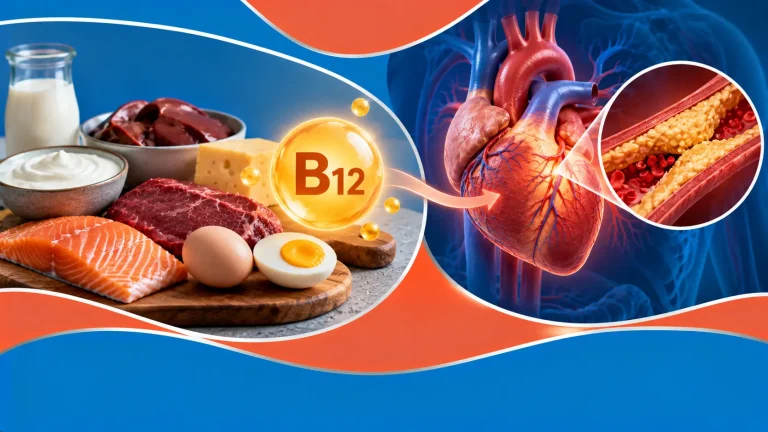
Pure vegetarians with vitamin B12 deficiency may be at higher risk of premature acute coronary syndrome. A deficiency of vitamin B12 and folate, in turn, can cause hyperhomocysteinemia, meaning a raised level of homocysteine in the blood. Elevated serum homocysteine has been associated with a roughly 20% increased risk of circulatory problems and heart conditions. High homocysteine can damage the lining of the arteries and make blood clots form more easily than they should. That can raise the risk of blood vessel blockages and may be a factor in heart attacks.
How Does Vitamin B12 Deficiency Affect the Heart?
Vitamin B12 helps the body make red blood cells, keeps nerves healthy, and works with folate and vitamin B6 to break down homocysteine. When vitamin B12 runs low, homocysteine can build up. That’s the link researchers point to between vitamin B12 deficiency and heart disease.
It’s worth saying that vitamin B12 deficiency is only one possible factor among many, and it doesn’t mean everyone with low B12 will develop heart problems. Still, it is common in India, particularly among vegetarians, so it deserves attention.
What Are the Signs of Vitamin B12 Deficiency?
Early on, the signs can be easy to miss. Common ones include:
- Tiredness and weakness
- Pale or slightly yellow skin
- Tingling or numbness in the hands and feet
- A sore, red tongue or mouth ulcers
- Dizziness or shortness of breath
- Memory trouble or low mood
A simple blood test can check vitamin B12 levels, and a doctor may also test homocysteine in some cases.
What Are the Coronary Artery Disease Symptoms to Watch For?
Coronary artery disease symptoms can be mild at first, or absent until a heart attack happens. The ones to know include:
- Chest pain, pressure or tightness (angina), often brought on by effort or stress
- Shortness of breath
- Pain spreading to the arm, shoulder, neck, jaw or back
- Unusual tiredness, cold sweats or nausea
- Dizziness or palpitations
Chest pain that is crushing, lasts more than a few minutes or comes with sweating and breathlessness is an emergency. Go to the nearest hospital or call for emergency help right away. Don’t wait to see if it passes.
Which Vitamin B12 Foods Should You Add to Your Diet?
Vitamin B12 foods come mostly from animal sources, which is why vegetarians are at greater risk. Options include:
- Milk, curd, paneer and cheese
- Eggs
- Fish and poultry, for non-vegetarians
- Fortified foods such as some breakfast cereals, plant milks and nutritional yeast
Plant foods don’t naturally contain reliable amounts of B12, so strict vegetarians and vegans may need a supplement. Don’t start high doses on your own, though. A doctor can check your level and advise what’s right for you.
What Else Helps Lower Homocysteine?
Some preventive measures can help reduce serum homocysteine. Eating more fruits and vegetables can help lower your homocysteine level. Leafy green vegetables such as spinach are good sources of folate. Increase the amount of vitamin B6 and vitamin B12 in your diet as well. Regular exercise, not smoking and keeping blood pressure, cholesterol and blood sugar in check protect the heart too.
When Should You See a Doctor?
See a doctor if you have symptoms of vitamin B12 deficiency, a family history of heart disease, or several risk factors such as diabetes, smoking or high blood pressure. A vegetarian diet doesn’t guarantee protection, so a checkup that includes a B12 level and a lipid profile is worth considering, even if you feel fine.
For further information or treatment, please visit our cardiac services at Wockhardt Hospitals.
FAQs
1. Can vitamin B12 deficiency cause heart disease?
It may contribute, although it is not a direct cause. Low vitamin B12 and folate can raise homocysteine levels, and high homocysteine has been linked to artery damage and blood clots. Many other factors matter more for most people, including smoking, blood pressure and cholesterol. If you’re worried, ask your doctor to check your B12 level.
2. What are the early symptoms of vitamin B12 deficiency?
Tiredness, weakness, pale skin, tingling in the hands and feet, and a sore tongue are common early signs. Some people also feel dizzy or notice memory problems. Symptoms can build slowly, so they’re often put down to stress or age. A blood test gives a clear answer.
3. What are the main coronary artery disease symptoms?
Chest pain or tightness is the classic one, along with breathlessness, pain spreading to the arm or jaw, and unusual tiredness. Some people, especially women and people with diabetes, may have milder or different signs. Sudden severe chest pain needs emergency care immediately.
4. Which vitamin B12 foods are best for vegetarians?
Milk, curd, paneer, cheese and eggs (for those who eat them) are the main sources. Fortified cereals and plant milks can add some B12 too. Strict vegetarians and vegans often need a supplement, which a doctor can recommend after checking blood levels.
5. Can young people get coronary artery disease?
Yes. It is more common as you get older but can occur in younger adults too. People with a history of smoking, diabetes, high cholesterol or stress are at greater risk.
6. Does being vegetarian protect against heart disease?
It can help, since vegetarian diets are often lower in saturated fat. But a vegetarian diet doesn’t mean the person is already getting better. Fried and sugary foods, low B12 intake and a sedentary lifestyle can still raise risk, so balance matters more than the label.
7. How is vitamin B12 deficiency treated?
Treatment depends on cause and severity. Many people take oral supplements, while others, such as those with absorption problems, may need injections. Diet changes help too. Your doctor will decide the dose and recheck your levels afterward.
8. How can you lower your risk of coronary artery disease?
Quit smoking, eat plenty of fruit, vegetables and whole grains, stay active, and keep your weight in a healthy range. Manage blood pressure, cholesterol and diabetes properly. Getting enough B12, B6 and folate also supports healthy homocysteine levels.