When you receive your TMT test (treadmill stress test) results, the word positive can instantly make you anxious.
Does it mean you have a heart problem? Is a blockage confirmed? What test comes next?
Relax. Take a deep breath. A positive TMT does not confirm that you have an artery blockage or that you have a serious heart disease. The positive result simply indicates that your doctor will want additional information before making a definitive diagnosis of heart disease.
Rest assured, this article explains what a TMT test is, what a positive result means, possible tests to perform after receiving a positive result, and why it is crucial to schedule an appointment with a cardiologist when you’ve had abnormal results.
What is a TMT Test and Why is it Done?
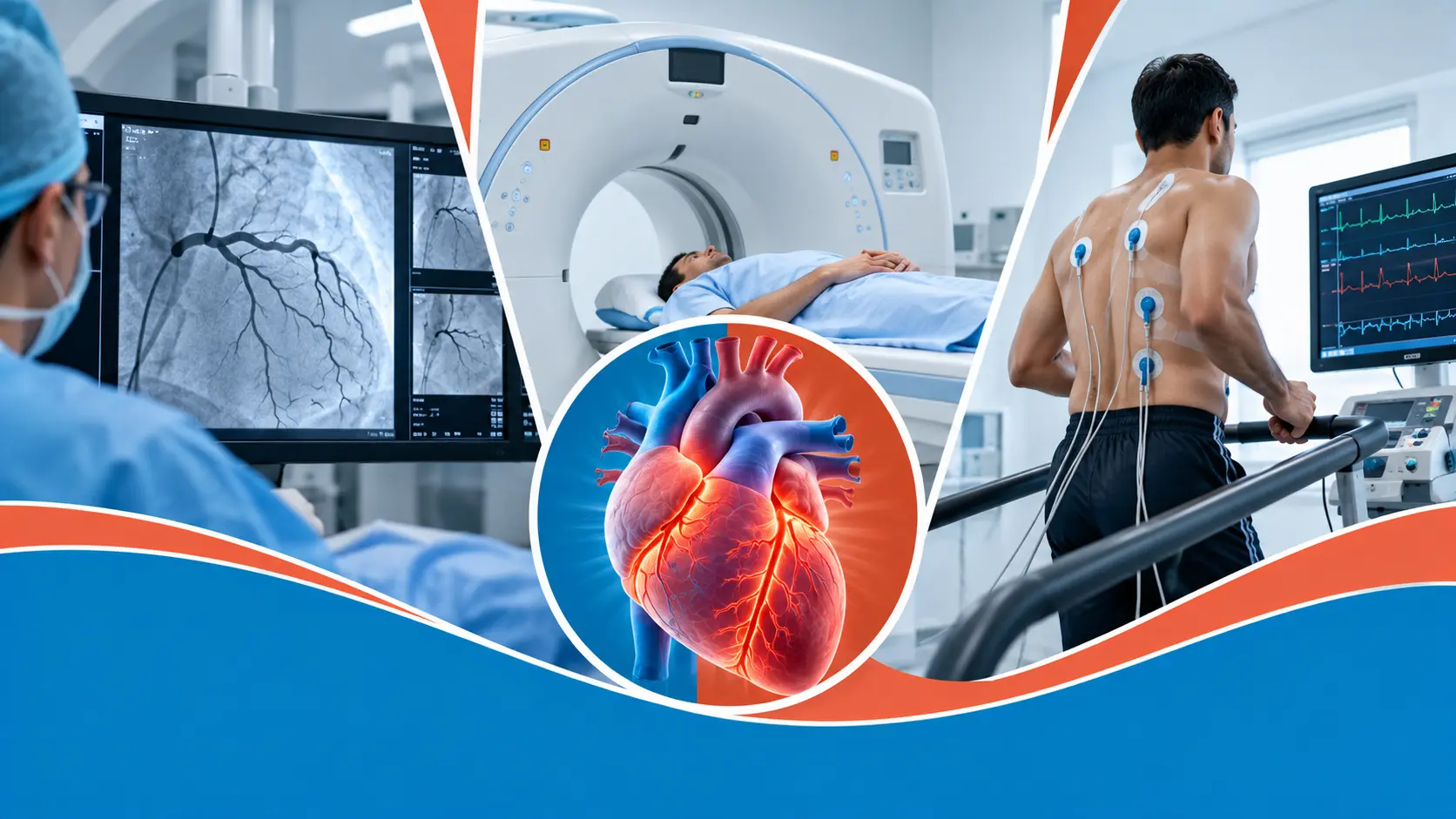
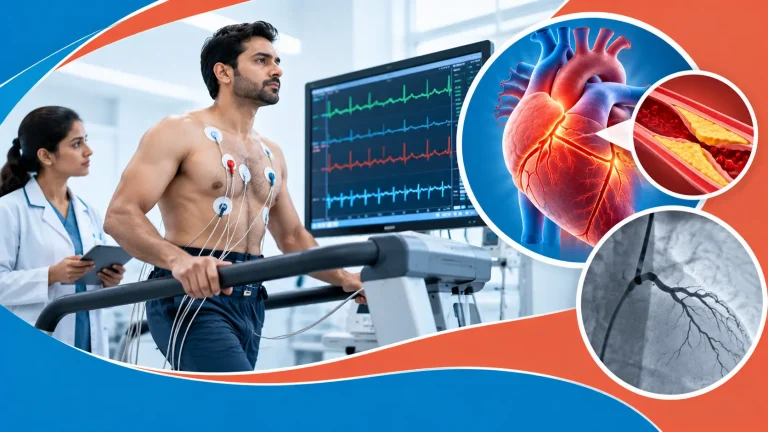
If you have been asked to do a treadmill stress test (TMT), you may already know what it involves. You should walk on a treadmill while your ECG, blood pressure, and heart rate are monitored during the test.
A treadmill test is alternatively called an exercise stress test. A TMT test aims to see if your heart is able to function appropriately in response to physical exertion. An underlying problem may show up on your ECG if the heart doesn’t get an adequate blood supply during exertion.
Your physician may also recommend that you undergo a TMT test if you have any of palpitations, unusual fatigue while walking upstairs, breathlessness during physical activity, or chest discomfort or pain.
This also applies to those with a family history of heart disease or someone who has high blood pressure, diabetes, high cholesterol, or smoking history.
A TMT test report can provide useful information, but it cannot confirm or rule out coronary artery disease.
What Does a Positive TMT Test Mean?
Getting a TMT test positive result can seem like an alarming diagnosis. However, it really depends on how you define positive.
A positive TMT usually indicates a physical change on the treadmill that may suggest reduced blood supply to the heart muscle. The doctors will consider several things, including:
- ECG changes
- Your symptoms
- Exercise ability
- Your blood pressure
- Heart rate responses
It is very important to remember that a TMT test positive does not mean that you have had a heart blockage.
False positives are possible with TMT testing. That is to say that your TMT test may have an abnormal reading even if you do not have one or more narrowed sections of a coronary artery.
Because of this, doctors generally base their recommendations for treatment based on more than just the words “positive” written on your test results.
What Should You Do After a Positive TMT?
The first thing you should do is stay calm and not jump to the conclusion that you are in dire need of surgery or another invasive treatment.
Schedule an appointment with a cardiologist. Bring all your complete TMT test results.
Your doctor will know what to do next when they have your full case history including your age, symptoms, other health conditions, general risk factors, and the results of your TMT test.
Your doctor may ask questions such as:
- Was your chest area painful at any time during the test?
- When did symptoms begin for you?
- For how long were you able to workout during the test?
- Were there any ECG changes?
- Was your blood pressure affected too?
- Do you have a medical history of diabetes, high blood pressure, or cholesterol (high levels of fat)?
- Has there been a history of heart disease in your immediate family?
These details matter because the same TMT result can mean different things for different people.
Which Test Comes After a Positive TMT?
There isn’t a single test that follows every time a TMT is positive. The next investigation depends on why the TMT was performed and how concerning the result is.
The cardiologist has several options for tests as described below:
Stress Echocardiography
Stress echocardiography (also called stress echo) combines both physical exercise or another form of stress with an ultrasound of your heart. It shows the doctor how well the various parts of the heart muscle work while under stress. If a part of the heart muscle doesn’t function normally when the heart works harder, this could indicate reduced blood flow to that area.
This test may be useful when your doctor wants more information after an abnormal exercise ECG.
CT Coronary Angiography
Coronary computed tomography (CT) angiography, commonly referred to as a CT coronary angiogram, is a non-invasive diagnostic imaging study that provides high-quality images of the coronary arteries.
This method allows doctors to evaluate whether stenoses (narrowing), plaques, and other abnormalities are present in the arterial supply to the heart.
Your cardiologist may order this test based upon your symptoms, risk factors, or TMT test report, in an attempt to further define the coronary artery anatomy prior to ordering a potentially invasive coronary angiogram.
Conventional Coronary Angiography
Some people will require a standard coronary angiogram, for example, if they have alarming symptoms or findings suggesting severe coronary artery disease.
The angiogram is an invasive procedure using a catheter to produce high-quality pictures of your coronary arteries. These high-quality images allow your doctor to assess how much narrowing there is in your arteries and what additional treatments you need.
However, not everyone with a positive TMT test automatically needs it. The decision is based on the overall clinical picture.
Echocardiogram
Your doctor could suggest a routine (or standard) echocardiogram. Unlike a TMT test, this procedure will not require you to do any physical activity.
It uses ultrasonic waves to evaluate the heart’s internal anatomy. In addition to providing information on the heart chambers, valves, and pumping function.
While a regular echocardiogram cannot be used as a direct substitute for a TMT, a doctor using echocardiograms in conjunction with other tests will get much better results than if they relied on the TMT test alone.
Why Your Symptoms Matter More Than a Single Test Result
It is easy to focus so much on the word positive that you forget other components of your test results, such as your symptoms and overall risk factor assessment.
In some cases, patients with a history of exertion-induced chest pain or diabetes and multiple risk factors will need a different type of evaluation compared to those without symptoms but who have borderline TMT test results.
Therefore, you may find yourself even more confused after doing an internet search to see if what you think your report says is correct.
A cardiologist can take all these factors into account and provide appropriate information about your testing.
Questions to Ask Your Doctor After a Positive TMT
After leaving a consultation with many unanswered questions, it is reasonable to feel more anxious than when you entered.
If your TMT test report has been positive, there are several questions you could ask your physician during the consultation, including:
- What specifically was abnormal about my TMT test report?
- Does my result indicate a potential artery blockage?
- Will I need additional testing?
- Why do you recommend this test?
- May I continue my normal daily and physical activities?
- Will I need to modify my current medications or lifestyle
- Are there any signs or symptoms that would indicate an urgent visit to a doctor for further evaluation?
Having these questions ready can make your consultation more productive and help you understand what your TMT test result actually means for you.
Choosing the Right Cardiologist After a Positive TMT
A positive TMT test is sufficient reason to consult an experienced heart specialist who will review all of your information, as opposed to basing the decision solely on the results of this test.
For instance, you may go to a specialist to evaluate your symptoms, medical history, and other risk factors associated with a disease. That may help you decide if you want to visit a cardiologist in Mumbai.
Bring your latest TMT test report, previous ECG tests, lab tests and a list of all the medications you are currently taking.
All of this may provide additional insight into your current cardiovascular status and help your doctor decide how to proceed based on your findings.
Remember, the goal after a positive TMT test report is not simply to undergo another test. It is to understand why the result was abnormal and whether it points toward an actual heart problem that requires treatment or further evaluation.
The Bottom Line
The results from a positive TMT test can cause concern but do not necessarily mean that you have had a heart attack or blocked artery. Understanding your TMT test report requires understanding your symptoms, medical history, and how they relate to your risk factors.
Consulting a cardiologist in Mira Road, Mumbai, as soon as possible will help you determine whether you need any testing or therapy.
Frequently Asked Questions
1. What is the next step after a positive TMT test?
You can approach a cardiologist to talk about your test results and also decide on further diagnostic tests. That’s because a positive test generally means your heart may not be getting enough blood flow during exercise.
2. What is the total number of stages in a TMT test?
A standard TMT test has 7 different stages and each of them lasts for around three minutes. However, many patients do not cross all the 7 stages of the test and often stop early.
3. Is the TMT test better than ECG?
Neither TMT nor ECG are a better option because both tests cater to different requirements. The latter records the heart’s signals, while a TMT tracks both the ECG and blood pressure.
4. Do I need angiography if my TMT test is positive?
An angiography test is not mandatory for anyone whose TMT test has come out positive. The decision lies in the hands of the doctor who analyzes things based on your symptoms, risk factors, and history of heart diseases.
5. Does positive TMT mean blockage?
A positive TMT does not directly mean a person has a heart blockage. It only suggests that the heart muscle is not getting sufficient oxygen or blood flow.
6. How do I know if I have passed my stress test?
You pass a stress test if the result is negative. That also means your heart handled the exertion well without any signs of reduced blood flow.
7. Can TMT detect heart failure?
A TMT test cannot directly detect heart failure. It reveals any abnormal heart responses that you may face under physical stress.