As you’re snarled in traffic or in the middle of a meeting, your phone alerts you with a calendar reminder for your next dose.
If you or a loved one has epilepsy, this little daily balancing act probably sounds familiar.
The good news is that this condition is much simpler to manage than it first appears if you have the correct information about the law, your rights at work, and your medications.
Let’s find out more about what living with epilepsy looks like and its related aspects in this guide.
What is Epilepsy and What Are Its Symptoms?
Epilepsy is a disorder of the nervous system in which the normal electrical activity of the brain is disturbed, causing repeated seizures. It’s not one disease. It’s an umbrella term for lots of different types of seizure disorders, each with its own triggers and patterns.
Epilepsy is one of the most common neurological conditions in India, affecting an estimated 1 crore people.
Its common symptoms are:
- Uncontrolled movements of the arms or legs.
- A brief spell of confusion or a blank stare.
- Loss of consciousness or awareness, sometimes with falling.
- Tonic seizures (stiffening of the body).
- A peculiar feeling before an episode, such as a smell or a feeling of “butterflies” in the stomach (known as an aura).
- Doing things over and over again, like smacking lips, blinking, or walking in circles.
- Brief periods of memory loss or a dazed feeling afterward (called the postictal state).
| Seizure Type | What It Looks Like |
| Focal (partial) seizure. | Affects one area of the brain. The person may stay aware or briefly lose awareness. |
| Generalized tonic-clonic. | Full-body stiffening followed by jerking. The most recognizable seizure type. |
| Absence seizure. | Brief staring spells, common in children, lasting 5–10 seconds. |
| Myoclonic seizure. | Sudden, brief muscle jerks, often in the arms. |
| Atonic seizure. | Sudden loss of muscle tone, causing a fall or drop. |
If you notice these patterns in yourself or a family member, don’t wait it out. A timely visit to a neurologist can prevent complications and start you on the right treatment path early.
Epilepsy Treatment: What Actually Works
Epilepsy treatment today is far more effective than most people realize. About 7 out of 10 people with epilepsy can have their seizures controlled with the right antiepileptic drug (AED).
Let’s check out some of the most common approaches for epilepsy treatment:
- Anti-Seizure Medications (ASMs): This line of treatment usually begins with one drug at a low dose that can be increased if needed.
- Monotherapy First: Doctors try this medication before combining drugs to reduce side effects and simplify dosing.
- Regular Monitoring: Blood tests and visits with your neurologist to monitor levels of medication and adjust doses.
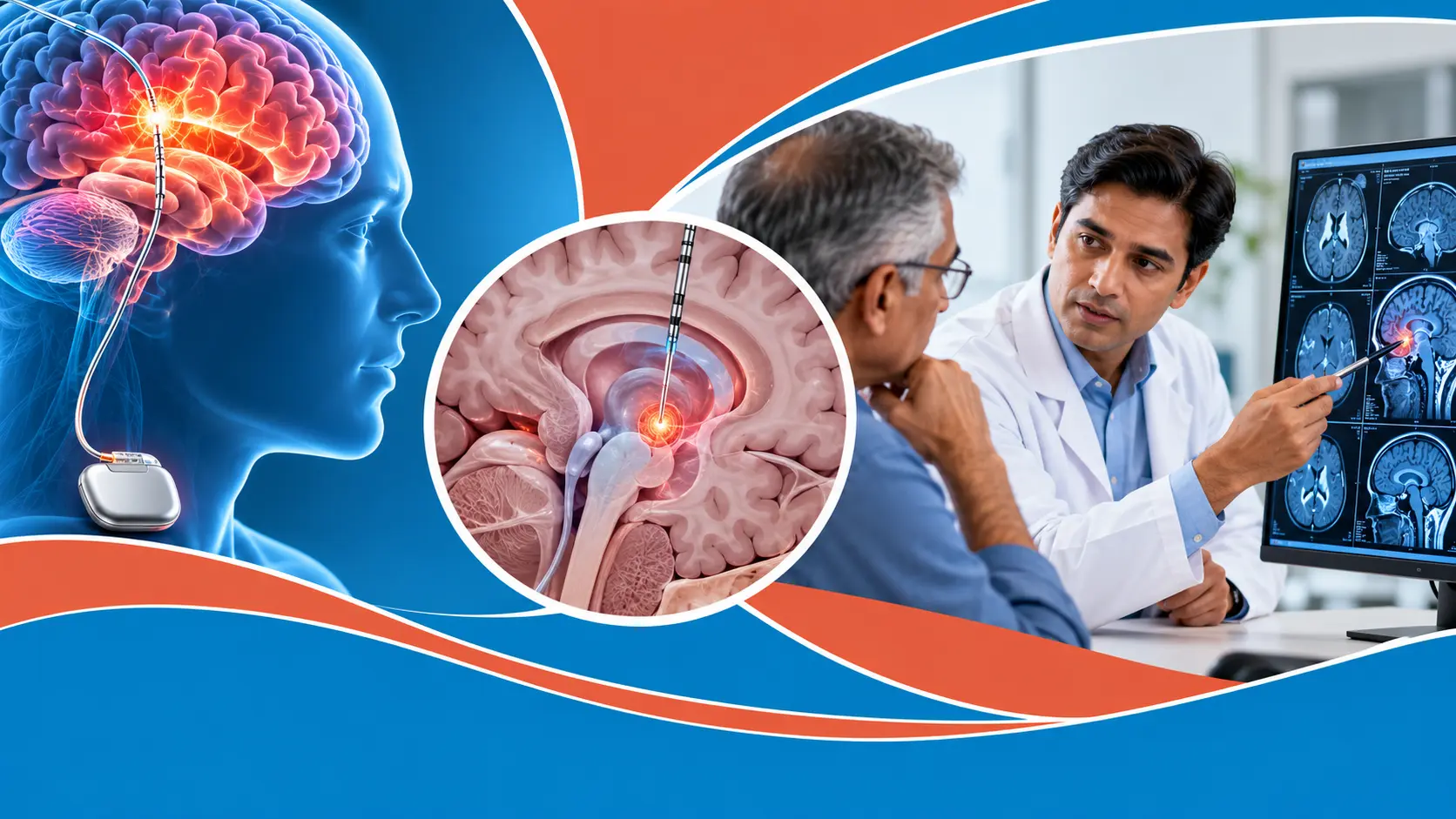
- Surgery or Devices: If epilepsy is drug-resistant, resective surgery or neurostimulation devices may be alternatives.
- Lifestyle Management: Adequate sleep, stress reduction, and avoiding known triggers (like flashing lights or alcohol).
One detail that’s often missed is that after an initial unprovoked seizure, doctors don’t always start you on medication right away. This will depend on your risk of recurrence, such as abnormal EEG results, brain imaging results, or a family history of epilepsy.
This is precisely the kind of complex decision that requires expert judgment as opposed to a one-size-fits-all strategy.
Why Medication Timing Matters More Than You Think
This is one of the most frequently asked questions on the internet and one of the most underappreciated aspects of managing a seizure disorder. The most frequent cause of breakthrough seizures in people with well-controlled epilepsy is taking medication at irregular times or missing doses.
Now here is why timing is so important:
- Anti-seizure medicines work by maintaining a constant amount of the drug in your blood. With irregular dosing, this level drops, allowing a window for seizures to occur.
- Missing even one dose can cause a seizure disorder, especially if you are taking a short-acting medicine.
- Taking doses at the same time each day (e.g., 8 AM and 8 PM, instead of loosely “morning and night”) keeps drug levels steady.
- Your body’s ability to process ASMs may be hampered by alcohol, some over-the-counter medications, and even some herbal supplements. Always consult your neurologist before taking anything new.
- Hospitals follow time-sensitive treatment protocols for suspected prolonged seizures or status epilepticus (a medical emergency). The first medication is usually administered within 5 to 10 minutes of the onset of the seizure, with escalation to additional treatment if the seizure disorder persists for more than 20 to 40 minutes.
Simple Habits That Help With Medication Timing
- Rather than using ambiguous morning/evening reminders, set two fixed daily alarms.
- Track missed doses with a weekly pill organizer.
- For days when you’re not at home, keep a small backup dose in your car, office drawer, or bag.
- Keep a seizure and medication diary. Note the exact time you took the dose, any missed doses, and how you felt that day.
- If you’ve been seizure-free for months, don’t stop or change medication doses without your neurologist’s advice.
What Are the Driving License Rules for Epilepsy in India?
For those with epilepsy in India, this is one of the most sought-after and misinterpreted subjects. So here’s the reality, plain and simple.
Under the Central Motor Vehicles Rules, 1989 (Rule 5), every applicant has to declare their medical fitness for getting a driving license.They also have strict restrictions for applicants with epilepsy:
| Aspect | Current Rule in India |
| Legal basis | Motor Vehicles Act, 1988 and Central Motor Vehicles Rules, 1989. |
| Declaration required. | All applicants must fill Form 1 (physical fitness declaration). |
| If epilepsy is declared. | Medical examination becomes mandatory. |
| license outcome | Even with a positive medical opinion, there is currently no legal provision to issue a license to a person who has declared epilepsy. |
| Applies to | Both transport (commercial) and non-transport (private) vehicle licenses. |
| Differentiation by seizure type/frequency | None. The restriction applies uniformly, regardless of how long someone has been seizure-free. |
In practical terms, this means that once epilepsy is diagnosed, both people with frequent, uncontrollable seizures and those who had a single seizure years ago are subject to the same restrictions under Indian law.
This is more stringent than in a number of other countries where a defined period of being seizure-free (usually 12 months, confirmed by a neurologist) can allow a license to be re-issued.
What This Means for You:
- Always declare your condition honestly on license applications. Non-disclosure can create serious legal and insurance liabilities in the event of an accident.
- If you have recently been diagnosed with epilepsy symptoms and currently hold a license, speak to your neurologist about your individual circumstances and local RTO requirements.
- Ask your neurologist to give you a written medical opinion about your seizure disorder control. This will be important for insurance, employment, and future policy changes.
- Many people with well-controlled epilepsy develop alternative mobility routines (cabs, public transport, a trusted driver) to avoid putting their safety and legal standing at risk.
What Are the Workplace Rights for People With Epilepsy?
Many people who live with a seizure disorder are concerned about how their diagnosis impacts their jobs. In India, the law provides some real protection here, although awareness is still low.
Epilepsy has been officially recognized as a disability under the Rights of Persons with Disabilities (RPWD) Act, 2016. This means:
- There will be no discrimination in recruitment, promotion, and employment matters in government establishments.
- Right to flexible break timings for medication or modified duties as a reasonable accommodation.
- Protection from being fired simply because you have a diagnosis of epilepsy.
- You don’t have to tell all of your co-workers that you have epilepsy symptoms, only when it is relevant to safety or accommodation.
At Work, There are Practical Measures to Take When Living with Epilepsy:
- Teach the fundamentals of seizure first aid to your manager or at least one trusted co-worker to ensure that they are prepared to assist in the event of an emergency.
- If your organization does not respond, ask for accommodations in writing, citing the RPWD Act, 2016.
- At work, keep your medication schedule and doctor’s contact details for epilepsy treatment close at hand.
- If you drive, operate heavy machinery or work at heights, talk to HR about safe options. It protects you and the organization.
- Most workplaces, if informed properly, are willing to make little changes that make a big difference. The trick is knowing your rights well enough to ask.
When to See a Neurologist?
While self-managing mild epilepsy symptoms is one thing, some indicators should always lead to a visit with a specialist rather than a wait-and-watch strategy:
- A first-ever seizure disorder of any type, even a short one.
- Increased frequency of seizures despite medication.
- Planning a pregnancy while on anti-epileptic drugs.
- Seizures with confusion, memory problems, or mood changes.
Conclusion
Fear and uncertainty don’t have to be a part of living with epilepsy. If you have a seizure disorder, learning to recognize the warning signs of epilepsy, remaining on your epilepsy treatment, and knowing your rights to drive and work may all be helpful. You can live a full and independent life.
Reach out to a neurologist in Mumbai or Nagpur at Wockhardt Hospitals for expert guidance and personalized care and support at every step.
Frequently Asked Questions
1. Are epilepsy patients allowed to drive in India?
No, epilepsy patients are generally not allowed to drive in India under the latest motor vehicle regulations. They cannot even get a driving license.
2. Can an individual with epilepsy live a normal life?
Yes, patients with epilepsy can easily live a normal, productive, and fulfilling life. However, it is necessary to go for regular health checkups or consult a doctor if they face any complications.
3. Can epilepsy get worse with age?
Epilepsy can often get worse with age for a few people. However, some individuals can still maintain stable control over their condition.
4. At what age does epilepsy end?
Epilepsy generally does not end at a specific age for everyone. That’s because some children outgrow the condition by their teens while adult-onset epilepsy remains a lifelong condition.
5. How long do people with epilepsy normally live?
People with epilepsy have a life expectancy that is roughly 10 to 12 years shorter than the general population. However, individual outcomes may vary widely in most cases.
6. Can an individual with epilepsy live alone?
Yes, a person with epilepsy can live alone, but safety and feasibility depend on how well their seizures are controlled.