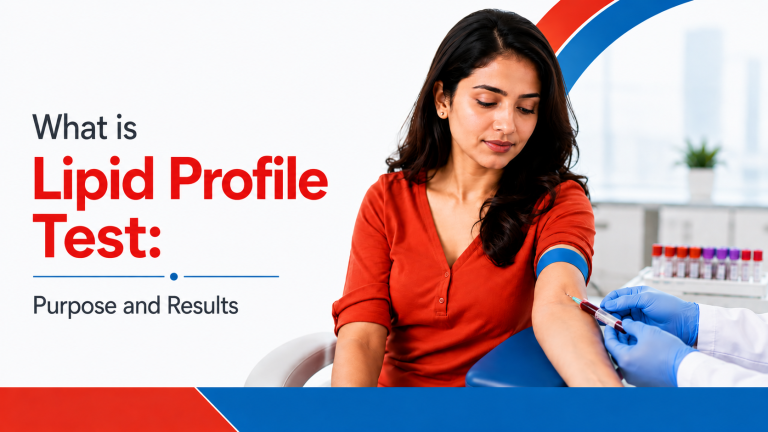
You will find lipids in the human body which are usually formed from fatty acids and other chemicals. They generally constitute the cell membranes and hormones and act as an energy reserve within the body. That makes one thing clear: lipids are necessary for the normal functioning of your body. However, an excess of lipids, especially the harmful ones, can prove to be harmful and affect your heart health. Since the body produces several of them, the best way to detect the negative ones is by doing a lipid profile test. Sometimes, it is also called a lipid panel.
In this guide, we will discuss what a lipid profile test means, its purpose, and what the results imply for the person in question.
What is a Lipid Profile Test, and What Are the Parameters it Measures?
A lipid profile test is a blood test that measures the total number of lipids circulating within the bloodstream of a human body. The test helps evaluate your cholesterol normal range, triglycerides, and the entire lipid profile.
Now, let’s check out the parameters measured by the test that also indicate your overall cardiovascular health.
- Total Cholesterol: It refers to the sum of an individual’s low-density lipoprotein (LDL) and high-density lipoprotein (HDL) levels that usually constitute their cholesterol types in the body.
LDL: This is the bad cholesterol and its increased accumulation in the body can lead to cardiovascular
diseases.
HDL: This is good cholesterol and helps reduce the accumulation of bad cholesterol in the body.
- Triglycerides: This is a specific type of fat that is generally derived from the food items that people consume. High triglyceride levels often indicate underlying pancreatic inflammation and cardiovascular diseases.
What is a Lipid Profile Test Used For?
The primary purpose of a lipid profile test is to determine various medical conditions and monitor a person’s cardiovascular health. You may call it a cholesterol test also because it checks both the LDL and HDL levels in the body. There are almost minimal symptoms of high cholesterol in the body, so a lipid panel is the best way to detect the elevated lipid levels early that could impact cardiovascular health negatively.
Doctors usually recommend doing lipid tests for the following reasons:
- A routine checkup for checking whether the individual’s cholesterol levels are normal or show high, low, or moderate risk categories.
- Regular monitoring for people whose cholesterol levels seem abnormal in one of their previous tests. This also applies if the person shows additional factors related to rheumatic heart diseases.
- Track how the human body is responding to different types of treatments for various diseases.
- Help with the identification of medical conditions like liver diseases.
Who Actually Needs a Lipid Test?
Individuals between the ages 45 and 65 should get a lipid profile test done every 2-3 years, and every year after the same. A lipid panel is necessary for those who also indulge in the following activities:
- Smoke cigarettes.
- Are obese or overweight.
- Do not engage in physical activities.
- Have diabetes or prediabetes.
- Have high blood pressure issues.
- Have a first-degree relative who experienced early-onset heart disease.
A lipid profile test may also be performed on children who have higher cholesterol levels. These are generally influenced by the following factors: diet, heredity, and obesity.
Lipid Profile Test: A Step-by-Step Process
The procedures associated with a lipid profile test may seem complex but can be understood well if we divide them into the following steps:
Step 1: Preparation
The individual must fast for at least 9-12 hours before they get ready for the lipid profile test. That means they cannot consume any food items or water. They must also inform the healthcare provider about any existing medications or supplements they have been taking for a long period of time.
Step 2: Sample Collection
A healthcare professional will collect the blood sample from the vein of the individual’s arm using a syringe or needle. Sometimes, they may also use a vacutainer.
Step 3: Sample Processing
The blood sample is eventually transferred to a vial or test tube. The latter already includes an anticoagulant to prevent any type of clotting.
Step 4: Result Analysis
Professionals generally use manual or automated techniques to analyze the separated serum or plasma in a laboratory. This involves measuring various cholesterol levels and triglycerides.
Step 5: Interpretation
The results are generally compared with the overall cholesterol normal range to ensure everything is fine. They are mostly reported in milligrams per deciliter (mg/dL) or millimoles per liter (mmol/L) for every lipid profile.
Step 6: Consultation
The lipid profile test is sent back to the doctor, generally a cardiologist, who discusses the results with the patient in question. The doctor then recommends medications or lifestyle changes to the patient based on the same results. This can easily help manage their respective lipid levels and cardiovascular issues.
Step 7: Follow-up
Individuals who have abnormal lipid levels may also need regular monitoring and follow-up tests. This will help analyze the effectiveness of the respective treatment types and make adjustments to them as needed.
How is the Lipid Profile Test Performed in a Lab?
The lipid panel begins with the lab worker wrapping an elastic band around the individual’s upper arm. Then, they are instructed to make a fist so that the veins are visible. The person also cleans the skin around the veins to avoid infection. That is done before the needle is inserted into it.
The worker draws the blood with a syringe and sends the sample to the lab for analysis. The lipid panel process usually takes around 5 minutes, and the results are usually sent in 1-2 days.
What’s a Normal Range?
| Type of Cholesterol | Reference Range | Borderline | High |
| Total Cholesterol | <200 mg/dL | 200 – 239 mg/dL | Above 240 mg/dL |
| Low-Density Cholesterol (LDL) | <100 mg/dL | 101- 159 mg/dL | Above 160 mg/dL |
| High-Density Cholesterol (HDL) | More than 60 mg/d | 40 – 59 mg/dL | Less than 40 mg/dL |
| Triglycerides | <150 mg/dL | 151 – 199 mg/dL | 200 – 499 mg/dL |
| Very low-density Lipoprotein (VLDL) | <30 mg/dL | 31 – 40 mg/dL | More than 40 mg/dL |
If an individual’s cholesterol levels are either too low or high, they may be at a higher risk of developing stroke or heart disease. The healthcare provider generally considers factors such as the level of physical activity, patient’s weight, and family history when analyzing this risk. The doctor may also prescribe a blood glucose test to screen for diabetes, especially if the test results are abnormal.
How Can I Prepare for a Lipid Profile Test?
You can expect accurate results only if you prepare for the lipid profile test well. Apart from fasting for the first few hours, take care of the following things too:
- Avoid Alcohol: You should avoid consuming alcohol at least 24-48 hours before getting your lipid panel done. Consumption may increase your triglyceride levels to a great extent or interfere with the final test results.
- Hydration: Drink sufficient water to ensure you always remain well-hydrated ahead of the test. This helps the blood get drawn easily and leads to more efficient results.
What is the Lipid Profile Test Price?
The price of a lipid profile test varies based on the patient’s medical condition, the lab or hospital they approached, and other relevant factors. In most hospitals the price of the panel is between ₹300 to ₹1,200.
These costs may be a bit higher in metro cities like Bangalore and Mumbai. Some diagnostic chains and hospitals also provide health packages at good discounts which makes the test more affordable.
You can also seek consultation from our expert cardiologists at Wockhardt Hospitals ahead of seeking a lipid profile test.
Final Thoughts on Lipid Profile Test
A lipid panel is an excellent cholesterol test that analyzes the cholesterol levels and lipid profiles in the human body. It is generally recommended for all healthy adults to get this test done and get their cholesterol levels evaluated from time to time. However, individuals with a family history of high cholesterol or at a higher risk of developing heart diseases should get tested more frequently.
If you want to learn more about the lipid test and the role it plays in analyzing cholesterol levels, visit the cardiology department at Wockhardt Hospitals now.
FAQs on Lipid Profile Test
- Why is a lipid test or panel important?
A lipid profile test helps you detect different types of fat levels within the human body. It primarily looks at two different things: the lipid and cholesterol levels. The test mostly helps evaluate your heart health by ensuring the correct levels of LDL or HDL are present in the body. It is specifically helpful for individuals with the history of diabetes, obesity, or heart diseases.
- Do I need to fast or stop drinking water before a lipid profile test?
Yes, you need to fast at least 9-12 hours before taking a lipid panel. That means no food or water for the hours mentioned above. Not doing so may fluctuate the cholesterol or triglyceride levels in the body, meaning the results may not be accurate at all.
- What does a lipid panel generally include?
The lipid panel looks at various parameters to analyze the overall health of an individual. These mostly include the overall cholesterol levels (both LDL and HDL) and triglyceride levels to evaluate lipid imbalances and determine appropriate interventions.
- What happens if the lipid profile results are abnormal?
An abnormal lipid profile result implies an increased risk of heart disease, stroke, or other complications. So, it is high time you approach a cardiologist for consultation and seek medications and treatments based on the specific range type.
- Are there any risks associated with a lipid profile test?
The risks associated with lipid panels are quite minimal. However, some people may notice slight bruising or tenderness at the needle site. A few others may feel lightheadedness when the blood is drawn from their arm for the test. However, there is slight or zero chance of infection at the puncture site.