Latest General Health Articles | Wockhardt Hospitals

ARTICLES ON General Health

Latest Articles on General Health

Numb Thumb

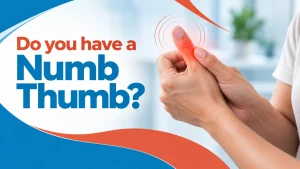
Do you have a ‘Numb Thumb’?

Move over ‘Text Neck’. There’s a new problem on the block and it’s called ‘Numb Thumb’. If you’re a serial texter, chances are that you might be experiencing pain and/or numbness in your thumbs. And before you brush it off as a teen problem, you’ll be surprised to know that this problem is not limited to them alone but even adults, especially professionals who are glued to their phones all the time. Case in point A 24-year-old female recently purchased the latest fancy smartphone, as a gift from her parents. She started feeling pain in the thumb, more specifically right thumb over a period of four to six months. Whenever she used the phone for more than two hours, she would get the pain. She ignored it, thinking it will subside. However, the pain disappeared for a week. Later, she noticed the pain again but with increased severity and experienced numbness as well. It was then that she sought medical help and medication was given accordingly, recalls Dr Nilesh Makwana, director and consulting physiotherapist, Muscle N Mind Physiotherapy Centre. What is a Numb Thumb? “‘Numb Thumb’ is a cause of repetitive stress injury to the thumb or even fingers. Due to repeated stress over the tendons and joints the thumb becomes temporarily numb. That’s because the thumb is more involved most of the time for texting or playing games,” explains Dr Makwana. Dr Shirish Hastak, consultant neurologist, Wockhardt Hospital, says, “This is called De Quervain Tendinopathy. The patient has pain and mild numbness at the base of the thumb and the distal part of the wrist. Movement of the thumb will increase this pain. Texting with the smartphone will definitely produce pain and may be one of the mechanisms of more frequent occurrence of this problem.” Frequent use of phones is a common contributor There are many patients who are suffering from ‘Numb Thumb’. “Almost one or two cases out of 10 cases with thumb issues have repetitive stress reaction in tendons or joints. A common reason found is a newly purchased smartphone, usually among the age group of 18 to 28 years and female population (in his practice), for gender specificity, a detailed work needs to be carried out for actual ratio,” adds Dr Makwana. Dr Hastak has seen a few patients with this problem, the most recent one being a 35-year-old lady who got this problem after delivery. Post pregnancy, this problem may be more common due to the thumb position used to hold a child, which may precipitate this problem. This disorder is mainly related to frequent thumb extension and abduction movements. These are the movements that frequently occur while texting on a smartphone as well as while holding a baby. He says, “In the new world order, the baby is frequently replaced by the smartphone.” Is it a neurological issue? “‘Numb Thumb’ is more like repetitive stress injury in the tendons and joint of the thumb, it can lead to degenerative changes in joints and tendon and can have numbness. I would not say it to be neurological as I have not seen that severe cases as of now. But degenerative changes can also affect nerve and can lead to neurological signs,” says Dr Makwana. On the other hand, Dr Hastak says this is not a neurological (nerves) or a arthritis (joints) problem but a problem of over use of the muscles of the thumb. Treatment For Numb Thumb The best treatment is to give yourself a period of rest once you experience the pain while texting. Try to apply ice and rest for a day. Stretch your forearm and fingers. If the pain is persistent and severe, see a orthopaedic or physiotherapist for further evaluation, advises Dr Makwana. Source :http://www.dnaindia.com/lifestyle/report-do-you-have-a-numb-thumb-2623712

Read More

Mitral Valve Repair Surgery

Heart valve surgery fixes a damaged or faulty heart valve. There are two main types of heart valve surgeries: valve repair and valve replacement. Double valve surgery is a surgery where two valves are involved. Sometimes a faulty valve can be repaired by cutting away excess tissue in the cusps of the valve and sewing the edges together. It can be repaired by shortening or connecting the cords that act like hinges on the valve. Special rings called ‘prosthetic rings’ or ‘annuloplasty rings’ can also be used to narrow an enlarged valve and strengthen the repair. Another method used to open a narrowed valve is called ‘balloon valvotomy’. In the valve replacements , the new valve is sewn onto a rim of tissue that is kept from the original valve. Several types of replacement valves are used. These are either biological tissue valves or mechanical valves. Advantage: An advantage of valve repair operations is that usually your own valve tissues are used in the repair. If a valve can’t be repaired, it is sometimes removed and replaced with a new valve. FAQs Will I feel pain after the operation? You will probably feel quite sore, especially in the first few days after the operation. You will receive pain relieving medications and will be monitored by the treating physician. How long will I have to stay in hospital? This varies depending on your condition and your response to surgery. On average, after heart valve surgery, people stay in hospital for six to nine days. What is the duration of such surgeries? These surgeries usually take around 4 to 6 hours. The surgery is performed in the special operation theaters designed for heart surgeries with appropriate infrastructure.

Read More

Importance of Immunization

Immunisation describes the process whereby people are protected against illness caused by infection with microorganisms (formally called pathogens). The term vaccine refers to the material used for immunization. A vaccine usually contains an agent resembling disease-causing bacteria. When this biological preparation is injected into your body, your immune system recognizes the agent and destroys it. However, your immune system remembers the agent and next time, when the actual microbe attacks you, it safeguards you against the disease. Vaccines are usually made from the toxins of the killed or weakened microorganism. Importance of Vaccination Getting, immunized costs less than getting treated for the diseases as the vaccines protect you from getting infected and build resistance to the germ. Vaccination not only protects you but also indirectly protects the community. Some Facts on Immunization: Important Reasons to Vaccinate Your Child Adult Immunization Travel Immunization It is important to take vaccines as precautions while traveling to certain countries. For example, yellow fever vaccination is needed by Indians traveling to African countries. We don’t have yellow fever in India yet – but the country has all the favorable parameters for it to thrive quite well. So if someone from India travels to Africa, contracts the disease, and returns to India, they can spread the disease. Similarly, vaccinations against tuberculosis, typhoid, and meningococcal meningitis are required if you travel to the US or European countries. To learn more about vaccines for adults and children please, visit Wockhardt Hospitals.

Read More

82-year-old man first from Central India to get pacemaker implanted

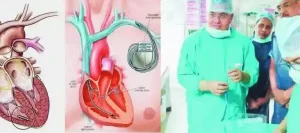
Parents of a 27-year old man from Virar, who suffered a brain haemorrhage, donated his vital organs to four critically ill patients.Dr Nitin Tiwari conducts procedure that is done first time in Central India, Senior Cardiologist in a Heart Hospitals in Nagpur performed first of its kind procedure of Central India where he implanted a leadless pacemaker in a senior citizen from Madhya Pradesh (MP). This procedure was a life saver for the patient who had run out of options to survive. The procedure is an added achievement to the long list of firsts in Central India by Wockhardt team. An 82-year-old patient had been in heart failure for several months and he required a Pacemaker to keep his heart beating. As the efforts of cardiologist at MP did not yield any result, but developed infection in chest. The patient’s relatives came to Wockhardt hospital and consulted Dr Nitin Tiwari, Senior Consultant – Interventional Cardiologist. After thorough examination, history taking and careful consideration, the patient was suggested for a leadless pacemaker (MICRA). In this instance, MICRA being a leadless pacemaker, the need for skin pocket was not there and hence the chances of pocket infection are negligible, pointed out Dr Nitin Tiwari. The miniaturised leadless pacemaker ‘MICRA’ is the world’s smallest pacemaker and is delivered directly to the heart. It is also 93% smaller than conventional pacemakers, has a mass of 1.75 gm and volume of 0.8 cc. The traditional method of pacemaker impant is done usually by creating a pocket near chest and placing a small metal container housing a battery and the electrical circuitry that regulates the rate of electrical pulses sent to your heart. One to three flexible, insulated wires are each placed in a chamber, or chambers, of your heart and deliver the electrical pulses to adjust your heart rate. Dr Tiwari pointed out, “With conventional pacemakers the risk of pocket infection varies from 1.6 to 2.2 per cent. Usually the risk is more in the second time implantation. The chances of infection are more in diabetics, young males, multiple lead pacemakers and immune-compromised people.” Dr Tiwari also advised patients to undertake pacemaker implantation preferably at a high volume centre so as to decrease the chances of infection. K Sujatha, Centre Head added, “Wockhardt Heart Hospitals has completed 15 years in Nagpur during that time it has performed more than 25,000 procedures and has seen many one of its kind procedures and surgeries. We have Cardiac specialist who have more than 20 years of experience in this field. Dr Nitin and team did excellent work.” Source : http://thehitavada.com/Encyc/2018/12/27/City-Cardiologist-implants-smallest-pacemaker-successfully.aspx Source : https://timesofindia.indiatimes.com/city/nagpur/82-yr-old-man-first-from-central-india-to-get-leadless-pacemaker-implanted/articleshow/67262971.cms

Read More
Harmful Effects of Junk Food

Harmful Effects of Junk Food: Health Hazards of Junk Food

Good health is the necessity of living a healthy life for every one of us which needs to maintain a healthy diet and healthy habits throughout the life. However, the custom of eating junk food in many is increasing day by day and is going to be a health hazard especially for our future generations. Today, more than 95% of all chronic diseases are caused by food choice, toxic food ingredients, nutritional deficiencies and lack of physical exercise. This is perfectly true for most of the population across the world and it is also true especially for almost all school going children People of all age groups like to eat junk food and they generally chose to eat whenever they enjoy special time with family like birthday party, marriage anniversary, etc. They easily become used to of taking soft drinks, wafers, chips, noodles, burgers, pizza, French fries, Chinese dishes, and other varieties of fast food available in the market. Parents should be very conscious towards the eating habits of their kids and children because in the childhood they never know and decide their good or bad so it is parents who are fully responsible for the good or bad eating habits among their kids. They should train their kids about eating habits from childhood and make them clear about the differences between healthy and junk foods. 12 Harmful Effects of Junk Food Avoid eating junk food and go for balanced diet with all essential nutrients fibres and essentials to avoid health diseases and lead a better quality of life. For more information on healthy diet contact Wockhardt hospital. FAQs on Harmful Effects of Junk Food Q. What are the important harmful effects of junk food? Here are some harmful effects of junk food: Junk food contains a lot of calories, fat, and sugar, among other components that raise one’s calorie intake above what is necessary for metabolism, thereby resulting in obesity. So, consuming such foods increases the chances of contracting chronic disorders, such as diabetes and heart disease. Poor nutrition through junk food that lacks essential nutrients, may lower immunity and make a person more susceptible to diseases and infections. Chronic consumption of junk food has a negative impact on an individual’s mental health, slowing the cognitive ageing process and increasing rates of depression, as well as causing mood fluctuations. Cereals, fruit juices, and cereal-based ready-to-eat foods serve as rich sources of fibre, vitamins, and minerals, which are generally lacking in junk foods. A poor diet primarily composed of junk food not only leads to deficiency-related issues, but also results in the loss of these essential nutrients. Consumption of junk food is often bad for oral health, as it tends to be high in sugar and salts, along with a number of unhealthy fats. Q. What role do the harmful effects of junk food play in the development of type 2 diabetes? Junk food has a high trans and saturated fat content, which can increase blood triglyceride levels, a kind of fat. Type 2 diabetes is more likely to occur in those with high triglyceride levels. Q. How do I know if a food product is a junk food? Junk food is defined as food that is heavy in fats, sugar, or salt but low in nutrients like fibre, vitamins, and minerals. Fast food, convenience meals, sugary snacks, and other highly processed foods with lengthy shelf lives are sometimes categorized as junk food because of their comparatively low nutritional value and possible health hazards. Making informed food choices can be aided by carefully reading nutritional labels and referring to the Health Star Ratings system. Q. How do I make healthy food choices? Eat a balanced diet rich in fruits, vegetables, lean proteins, whole grains, and healthy fats, to fulfill your body’s nutritional requirements. Look out for ingredients, serving sizes, and nutrition information to avoid processed foods with added sugars, unhealthy fat, or sodium. Plan for healthy meals and snacks beforehand. Make sure you have a selection of colourful food on your plate so that it meets all the nutritional requirements; thus, staying fit. Q. Can I include a small amount of junk food in a healthy diet? One can incorporate a little quantity of junk food or discretionary items into a balanced, healthful diet. This implies that you should limit your intake of junk food to infrequent treats. Q. Does eating junk food cause health difficulty? Absolutely, because junk food contains a lot of harmful fats, carbohydrates, and additives, it may cause a number of health problems if consumed on a daily basis. Consuming junk food over time might cause type 2 diabetes, heart-related issues (such as high blood pressure, cholesterol, and cardiovascular disease), and obesity. Overindulging in junk food can lead to weakened immune systems, impaired cognitive function, and poor health in general.

Read More
Health Concerns

10 Common Health Concerns in Your 40s

40 is a milestone when the risk of many health conditions increases. Here are some health concerns that you may find yourself faced with in your 40s:    1) Chronic pain—the risk for arthritis, back pain and other painful conditions like tendonitis and, spondylitis, increases with age.    2) Cardiovascular disease- Blood pressure, cholesterol, triglycerides and homocysteine levels, our some indicators of your heart which slowly creep upward as you get older, increasing your risk for several serious medical conditions, including heart attack and stroke.    3) Diabetes is a significant health problem in and risk for type 2 diabetes (the most common form of the disease) increases with age    4) Osteoporosis—Peak bone mass (maximum bone density and strength) gradually declines in your 40s and beyond, increasing your risk for osteoporosis—bone loss that can lead to fractures and other problems. After menopause, women are at even higher risk for this condition. A healthy diet and regular weight-bearing exercise, including strength training, can help prevent osteoporosis.    5) Anxiety and depression—it’s important to take care of your mental health in your 40s. Changes in mood are a normal part of life, but extreme anxiety, loss of interest and energy, an inability to experience pleasure, withdrawal from usual activities and interactions, and apathy toward important matters is not.    6) Skin problems—adult acne, sun damage, age spots and wrinkles—often concerns for 40-somethings.    7) Sexual and reproductive health is an important part of overall health in your 40s. Common issues include sexual dysfunction (e.g., female sexual dysfunction, erectile dysfunction), sexually transmitted diseases (STDs) and infections (STIs) including HIV/AIDS, and contraception.    8) Urinary incontinence, overactive bladder and digestive problems, including ulcers, are other conditions that are more common in people over the age of 40.    9) Hormonal changes including perimenopause in women is a common occurrence and brings it with both physiological changes in women and psychological. In the same way men may experience symptoms of testosterone deficiency, benign prostatic hyperplasia (BPH, enlarged prostate) or transient erectile dysfunction.    10) Changes in vision and hearing loss are also relatively common problems for people in their 40s. Preventive health care and screening is essential during this time to rule out any underlying health concerns or to alert oneself of the same. At Wockhardt Hospital we place a great emphasis on the value Preventive care as an important speciality as well. The service shifts the focus of health care from treating sickness to maintaining wellness and good health. The program is designed in ruling out various risk factors and diagnosing abnormalities and is designed to prevent or delay the onset of illness and disease. Most people younger than 40 years of age are generally free from diseases that could be diagnosed by physical examination alone. In this age group, health problems usually show specific signs or symptoms that would prompt you to seek medical attention It is now recommended that medical check-ups be referred to as Periodic Health Assessments or Examinations and they be performed every five years (for adults over 18) until age 40 and every one to three years thereafter. The requirements are for more frequent evaluations for those taking prescription and medications. The health packages in Mumbai at Wockhardt hospital comprise of Basic Health Check-up, Premium Health Check-up and Executive Heath check-up. All our packages have been carefully designed by a team of doctors for evaluation of haematological, lipid profile, systemic profile, cancer profile (kidney, liver, heart) and other diagnostic investigations taking into consideration common disease affecting the Indian scenario. The packages cater to specific age groups and have a battery of recommended tests to choose from. Your complete report is evaluated by our renowned and established consultants for further management. The preventive health care packages are designed encompassing a healthy lifestyle, exercise, diet and physical evaluation and doctors’ advice. Prevention is better than cure cannot be as well emphasised with health check programs at the hospital. To know more about our health checkup packages and how you can avail the same please contact our centres at Wockhardt Hospital.

Read More
Thyroid Disease

Thyroid Diseases, Symptoms, Causes & Treatment

The thyroid gland is a tiny gland but performs numerous functions. It is Butterfly-shaped structure; located in front of your windpipe (trachea) below the thyroid cartilage. The main function of the thyroid gland is to produce and releases hormones that regulate metabolism, heart function, digestion, muscle control, bone strength, energy levels, and even mental states. In women thyroid diseases are very common and are generally overlooked. Thyroid diseases are more prevalent right after pregnancy or menopause, a time when your body is adjusting to so many changes. Thyroid problems can cause severe heart problems, stroke, brittle bones, loss of consciousness, or other serious health problems. Therefore it is essential that it is important to get a thyroid screening (blood test) to know and assess whether the thyroid gland is functioning optimally or not. The two most common conditions of the thyroid gland are: Symptoms vary accordingly in both conditions: Hypothyroidism Hyperthyroidism Weight gain Weight loss Slowed heart rate Increased heart rate, blood pressure and heart palpitations Tired or sluggish Anxiety Hair loss Insomnia Feeling cold more often than usual Restlessness Dry skin Irritability Brittle nails Hair loss Numbness or tingling in the hands Excessive sweating and an aversion to heat Constipation Muscle weakness or trembling hands Abnormal menstrual periods Vision problems Diarrhoea Irregular menstrual periods Thyroid disorders are assessed easily via blood test, and can usually be treated effectively with medication and/or a dietary regimen. In rare cases, surgery may be indicated. At Wockhardt Hospital, our team of endocrinologists diagnose and treat patients with thyroid disorders including hypothyroidism, hyperthyroidism, thyroid nodules and thyroid cancer. The goals established for treatment of Thyroid treatment basically involve At Wockhardt Hospital, our endocrinology department is supported by state of the art diagnostic services. The clinic carries out a complete thyroid profile, ultrasound, fine needle aspiration cytology, isotope scanning, radio-iodine treatment and surgery. If you have any of the above symptoms, please visit out Endocrinology department at Wockhardt Hospital for a proper evaluation and treatment.

Read More
Code White

Code White in Hospitals

A 40-year-old patient came to the Wockhardt Hospitals in Mumbai in a serious condition, he was not able to speak and had weakness in the limbs. The emergency medical team adopted the Code White protocol Code White’ which is a metaphoric alert button pushed at the emergency department at the hospital by team of nurses and doctors. As part of the Emergency Neurological Life Support (ENLS) in neurological emergencies, a brain resuscitation team reached the emergency room within 5 minutes and within 15 minutes; an MRI was done for a conclusive diagnosis. This resuscitation was critical for the patient and he was rushed to remove the clot in his brain. The patient miraculously recovered and a permanent stroke was averted for the patient. The patient was grateful to Wockhardt Hospitals emergency services and Dr Hastak for his diligence and advancement in medical services at the facility. The ENLS protocol is established by Dr Shirish Hastak a very experienced neurologist and stroke expert at Wockhardt Hospitals, Mumbai central. The brain resuscitation neurological emergency is first of its kind in India. All 5 emergency doctors and 16 emergency nurses at the hospital are USA certified to implement ENLS protocols. Wockhardt Hospitals is the first healthcare provider in India to have their emergency staff fully ENLS (Emergency Neurological Life Support) USA certified. The ENLS will help doctors manage and improve patient’s outcome in the critical first hour of a neurological emergency. The practise adopted at Wockhardt Hospitals, Mumbai central is very beneficial in saving many lives and reduces the chance of the stroke progressing in many cases. The protocol creates a multi-disciplinary approach and provides a checklist or decision pints and sets a communication for patient management. The ENLS not only manages stroke, but also seizure, encephalopathy, traumatic brain/spine injury, brain infections and systematic approach to coma. For further queries please visit our neurology services at the hospital

Read More
Monsoon Diseases

Most Common Monsoon Diseases, Their Treatment & Prevention

The monsoons bring a relief from the scorching heat during the summers but with their respite, they also bring along with them various maladies. Every monsoon season, the risk of catching various diseases is extremely high due to unhygienic conditions and not adhering to basic preventive measures. Many of these monsoon diseases remain undiagnosed until they progress to undesirable complications. This is why early diagnosis and treatment of diseases in rainy season is important making the difference between life and death. Here are some common diseases which are highly prevalent during this season that you should be aware about.  It is also advisable to understand the preventive measures of these diseases and precautions that you and your family can take as well. Influenza (Cold and Flu): Common cold is one of the most commonly occurring during the monsoon season. It is highly contagious disease due to the spread of virus in the air which infects the upper respiratory tract and thus affects the nose and the throat. Symptoms involve runny or stuffy nose, body ache, throat irritation and soreness and fever. It is always advisable to consult a physician and get the required medicines prescribed for getting cured from the infection The best way to prevent common cold is to have a healthy, balanced and nutritious diet regular which will develop the immune system of the body and improves the body resistance.  Cholera: Another most common and deadly bacterial disease that spreads during monsoon is “cholera” This disease is caused by contaminated food and water and also poor hygienic conditions .Common symptoms of cholera are severe diarrhoea with watery stool ’rice water stools” and vomiting which causes immediate water loss and muscle cramps. Diarrhoea can be so severe that it leads within hours to severe dehydration and electrolyte imbalance. A rapid dipstick test is available to determine the presence of V. cholera bacteria from stool sample Cholera requires immediate treatment because the disease can cause death within hours. The goal is to replace lost fluids and electrolytes using a simple rehydration solution, oral rehydration salts (ORS). The ORS solution is available as a powder that can be reconstituted in boiled or bottled water. Antibiotics are not a necessary part of cholera treatment. Preventive measures include providing clean drinking water, better sanitation, and better handwashing Typhoid: “Typhoid” is another waterborne bacterial infection caused by bacteria called Salmonella. This disease is caused by contaminated food or drinking food or water contaminated with the faeces of an infected person. Diagnosis is made by any blood, bone marrow or stool cultures and with the Widal test. Symptoms of the diseases are prolonged high fever, severe abdomen pain, headache; vomits are common symptoms of this disease. The worst part is that the infection of this disease can remain in the gall bladder of the patient even after he/she is cured. Preventive measures include providing clean drinking water, better sanitation, and better handwashing. Treatments of typhoid include antibiotics such as azithromycin, fluoroquinolones or third generation cephalosporin. Hepatitis A: Hepatitis A is a highly contagious liver infection caused by the hepatitis A virus. It is a waterborne viral infection is generally caused by contaminated drinking water or food with the stool of someone with the virus, it can spread through flies. Eating fruits, vegetables, or other foods that were contaminated during handling can cause spread of infection. The symptom of this disease is directly related to the inflammation of the liver that’s caused by a virus. Symptoms include, Jaundice (yellow eyes and skin, dark urine), stomach pain, Loss of appetite, Nausea, Fever, Diarrhoea and Fatigue. Blood tests are used to detect the presence of hepatitis A in your body. No specific treatment exists for hepatitis A.. In most cases of hepatitis A, the liver heals within six months with no lasting damage .Management involves, Rest, treatment of nausea and rest to liver. Practicing good hygiene, including washing hands frequently, is one of the best ways to protect against hepatitis A. Vaccines are available for people most at risk. Dengue: Dengue fever is a disease caused by a family of viruses that are transmitted by mosquitoes. It is spread by what’s known as the tiger mosquito (Aedes Aegypti), which has black and white stripes and typically bites early in the morning or at dawn. Dengue goes by other names, including “break bone fever. Symptoms of dengue fever include severe joint and muscle pain, swollen lymph nodes, headache, fever, exhaustion, and rash. Complication of dengue fever is called Dengue haemorrhagic fever (DHF). It is a specific syndrome that tends to affect children under 10 years of age. This complication of dengue causes abdominal pain, haemorrhage (bleeding), and circulatory collapse (shock). There are no specific antibiotics or antiviral medication to treat it. For typical dengue, the treatment is concerned with relief of the symptoms and signs. Rest and fluid intake (oral rehydration) are important. Pain relievers such as aspirin and nonsteroidal anti-inflammatory drugs should only be taken under a doctor’s supervision because of the possibility of worsening bleeding complications. Pain killers can be given for headache and for joint and muscle pain (myalgia). Platelet count should be monitored through the course of the illness.  Sometimes hospitalization for dengue maybe advised depending upon the patient’s condition receive IV fluids. Preventive measures -As it’s transmitted via mosquitoes, one should wear a strong insect repellent containing DEET to prevent getting bitten. -People should also wear full sleeve clothing when out in the day. – It is important to remember that the dengue mosquito usually bites only in the day time and breeds in clean, fresh water. So any water accumulation should be avoided. Malaria: One of the most common monsoon-related diseases, malaria, is caused by certain species of mosquitoes breeding in the dirty water. Since, there is a problem of water logging during the rainy season, mosquitoes get conducive conditions to breed .This disease is spread by Female Anopheles mosquito. Most deaths are caused by P. falciparum and is the most dangerous

Read More
Elderly

Reaching out to elderly-Specialized Services by Wockhardt Hospitals

The aging process impacts every aspect of an individual’s life physical, mental and emotional including family members and caregivers. The elderly often visit hospitals for a variety of different conditions. They go from one appointment to another, seeing multiple doctors with little to no coordination of care. This can be frustrating and confusing—for both patients and their loved ones, too. That is why it’s essential to provide specialized services to take care of senior citizens need at the hospital and to provide a compassionate, understanding care. Getting older can bring senior health challenges. By being aware of these common chronic conditions, you can take steps to stave off disease as you age. Health conditions affecting the elderly include: 1. Arthritis is probably the number one condition that people 65 or older contend with making movement difficult and painful 2. Heart Disease As people age, they’re increasingly living with risk factors, such as high blood pressure and high cholesterol that increase the chances of having a stroke or developing heart disease. 3. Cancer as per the risk factors associated some elderly patients are prone to risk cancer.  4. Respiratory Diseases like Chronic lower respiratory diseases, such as chronic obstructive pulmonary disease (COPD) bronchitis or emphysema. Although having a chronic respiratory disease increases senior health risks, making you more vulnerable to pneumonia and other infections 5. Alzheimer’s Disease a generative neurological conditions leading to memory severe loss, dementia and overall degenerative condition, Very prevalent in India today, 6. Osteoporosis can contribute to senior citizens to become less mobile and potentially disabling them with increase chances of falls and fractures. 7. Diabetes and its complication very common condition in India 9. Falls and Fractures: The risk for falls requiring emergency room care increases with age and is a very common medical emergency for elderly citizens 12. Depression is seen very rampantly   in his age group. A threat to senior health, depression can lower immunity and can compromise a person’s ability to fight infections 13. Oral Health and dental issues 14 Kidney related diseases due to underlying complications and associated risk factors. 15.  Elderly patients are also prone to a variety of bacterial and viral skin infections like herpes and complication of underlying disease or simply because of drop in their immunity. Apart from medical services to help patients the hospital should also cater to needs of these patients to assist them various procedures at the hospital making it easy for them to visit doctors and gave the essential treatment through an essential one point contact for supportive and logistics services in and around the hospital. This coordinated care of services and patient care will ease the patient through his transitions from home, to the hospital and other needed facilities and also be a comfort to the relative and caregivers Towards this step and further underrating of geriatric care Wockhardt hospitals has launched a thoughtful initiative for senior citizens. This initiative will add to the comfort of the senior citizens and assist them more effectively. Wockhardt hospitals launched a senior citizen deskin its Nashik hospital. Such a requirement is the need of the hour for to help out the elderly when they are visiting the hospital. SENIOR CITIZEN PRIORITY CARE HELP DESK About Wockhardt Hospitals A 50-year-old legacy and tradition of caring is what Wockhardt Hospitals stands on. Wockhardt Hospitals has been proactive in bringing innovative nurturing for better health. Wockhardt Hospitals has become a leading health service provider with its strong presence in the western parts of the country i.e. Mumbai, Nagpur Rajkot, Nasik and Surat. This group of 8 hospitals fulfils the need of the community in its chosen field of super specialty like Cardiology, Orthopaedics, Neurology, Gastroenterology, Urology, Aesthetics and Minimal Access Surgery. Wockhardt Hospitals has state-of-the-art infrastructure. Our prime objective is patient safety and quality of care at all levels. The guiding philosophy is to serve and enrich the Quality of Life of patients and to make life win. Wockhardt Hospitals follow process driven quality systems that adhere to international standards of clinical care, safe environment, infection control and respect for patient rights & privacy. Many of the Wockhardt group of hospitals has accreditation of the NABH (National Accreditation Board of Hospitals &Healthcare), the highest and the most stringent quality standards institution in India and the National authority in healthcare accreditation. To achieve high degree of clinical excellence, we have entered into strategic alliances with Partners Medical International, USA, whereby Wockhardt Hospitals has access to Harvard’s expertise and experience in the fields of surgery and other Medicare services. Wockhardt group of hospitals in India is a preferred destination for patients from Europe, USA, Africa, Middle East and South Asia.

Read More
Group (24)

Mumbai Central: +912261784444

Group (24)

Mira Road: +912240543000

Group (24)

Nagpur: +917126624100

Group (24)

Rajkot: +912816694444

Second Opinion


TOTOWIN88

TOTOWIN88

BETSLOTS88

BETSLOTS88

betslots88

betslots88

betslots88

betslots88

betslots88

betslots88

betslots88

betslots88

totowin88

totowin

totowin

totowin88

totowin

totowin88

totowin88

totowin88

totowin88

kingliga

kingliga

kingliga

kingliga

kingliga

kingliga

kingliga

kingliga

kingliga

kingliga

kingliga

kingliga

kingliga

kingliga

kingliga

totowin88

prediksi togel

bocoran togel

syair togel

paito togel

livedraw togel

TOTOWIN88

TOTOWIN88

TOTOWIN88