Latest General Health Articles | Wockhardt Hospitals

ARTICLES ON General Health

Latest Articles on General Health

Passive Smoke

Harmful effects of Passive Smoking

Passive smoke is the combination of smoke from a burning cigarette and smoke exhaled by a smoker. There are two types of passive smoke; side stream smoke comes directly from the burning tobacco product, and mainstream smoke is the smoke that the smoker inhales. The smoke that burns off the end of a cigarette or cigar actually contains more harmful substances than the smoke inhaled by the smoker, as there is no filter it must pass through. If you are a non-smoker but are exposed to passive smoke on a regular basis, your body will still absorb nicotine and other harmful substances. Smoke contains more than 4000 chemical compounds, of which 250 are toxic and more than 50 are known cancer-causing agents. These dangerous substances linger in the air for approximately 4 hours and breathing in these particles for only minutes can harm you. Exposure time to passive smoke and its effects: 5 MINS of exposure can stiffen the aorta as much as smoking a cigarette 20-30 minutes – causes excess blood clotting, as well as increases the buildup of fat deposits in blood vessels, increasing the risk of heart attack and stroke. ·     2 hours – increases the chance of irregular heart beat (arrhythmia) and can trigger a fatal cardiac event or heart attack. Diseases that arise: ·     Lung cancer and lung disease, including COPD, emphysema, asthma, and chronic bronchitis. Nonsmokers who live with a smoker have a 20% to 30% increased risk for developing lung cancer. ·     Heart disease ·     Eye and nasal irritation; increased risk of sinus and respiratory infections Population greatest risk of being harmed by passive smoking: Although any person who spends time around those who smoke has an increased chance of developing a smoking-related illness, certain people are extremely susceptible to the harmful effects of passive smoke. These include: 1)Service industry workers, such as bartenders and restaurant servers. 2)Pregnant women. Passive-smoke harms not only the mother-to-be, but her unborn child as well. 3)Infants and children (and pets!). Infants and children who are regularly exposed to passive smoke have an increased chance of developing the following conditions: Preventive Measures against passive smoking:

Read More
Benefits Of Walnuts

Benefits Of Walnuts in Diet

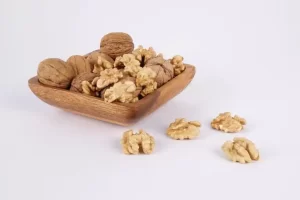
Nuts are considered to be one of the simplest healthy food to eat as they can be easily found in nature. They contain almost all kinds of vitamins, minerals, proteins and healthy fats that are sometimes not found in one source of food alone. Walnut is a  health booster because it can provide your body’s needs even in very little doses. Walnuts are seeds that came from the trees of Juglans genus. Walnut seed has an incredible amount of nutrients such as proteins, carbohydrates, minerals, and essential fatty acids. A consumption of walnuts promotes brain function thanks to its omega 3 fatty acids that help increase the activity of the brain. Walnuts are not just a great antioxidant and a high protein source,   it also has a delicious nutty taste that people enjoy. They are perfect to be included in a diet because they’re an awesome food supplement too. With the many health benefits, Walnut offers, it’s just fair for us to call a super food. Understand Benefits Of Walnuts in Diet 1) Healthy for heart It’s advisable for people with heart disease or those who have a high risk of having heart problems because of multiple cardiac risk factors, to eat walnuts because it contains amino acid I-arginine that offers vascular benefits to the heart. Walnuts are also anti-inflammatory and prevent pathological blood clots as it has the plant-based omega 3 far alpha-linolenic acid (ALA). 2) Cancer Prevention: Properties found in Walnuts has the capacity to control the growth of cancer cells in the body. 3) Healthy Skin: Walnuts are rich in gamma-tocopherol,  a great source of Vitamin E which is a strong lipid-soluble antioxidant. It protects the skin from harmful free radicals present in nature. In addition to this, Walnuts also contains B-complex vitamins like folate, niacin, riboflavin and Vitamin B-6. 4) Improves Sleep. If you’re having trouble sleeping, have some Walnuts before sleeping. You can have them as a snack or mix it with your salad. They are a great source of melatonin, a hormone that promotes a good sleep at night. 5) Increases Brain thinking. The neuroprotective compounds found in Walnuts such as Vitamin E, folate, melatonin, omega-3 fats, and antioxidants support brain health and increases  analytical reasoning in young adults. 6) Controls Diabetes. People with Diabetes can enjoy eating Walnuts without having worry about gaining significant weight since they contain a huge amount of polyunsaturated and monounsaturated fats. It improves the metabolic parameters in people with type 2 diabetes. One-quarter cup of Walnuts every day can already control insulin levels in such cases.

Read More

Benefits of Mango: King of Fruit

As summer is here, the markets can be seen flourishing with seasonal fruits. The energy value per 100 g (3.5 oz) serving of the common mango is 250 kJ (60 kcal), and that of the apple mango is slightly higher (330 kJ (79 kcal) per 100 g). Fresh mango contains a variety of nutrients (right table), but only vitamin C and folate are in significant amounts of the Daily Value as 44% and 11%, respectively Health Benefits of Mango 1.  Lowers Cholesterol: Besides having zero or no cholesterol, mango has high levels of dietary fibre, pectin as well as Vitamin C. The pectin decreases the serum cholesterol levels. Also, mangoes have a compound mangi-ferrin that is responsible for increasing the good cholesterol, High Density Lipoprotein. 2. Helps in Diabetes: Studies show that the presence of fiber and mangiferin can lower the blood glucose level. Also, the mango peels have ant diabetic properties. 3. Helps in Digestion: Again the fibre factor plays a crucial role here. The high-fiber content can reduce the chance of gastrointestinal disorders. Again the presence of soluble fibers in mangoes make the metabolism of lipids more efficient. This can make bowel movements smoother. Fibre is also known to better the gastrointestinal tract environment. 4. Prevents Cancer: It has been found that mangoes are rich in antioxidants which can act as an anticancer agent. Moreover, the mango polyphenol(natural plant substances) extracts were tested in vitro on colon, breast,  lung, leukaemia and prostate cancers. It was found that mango was more effective on the most common colon and breast cancers. Although there were impacts on lung, leukaemia and prostate cancers too. 5. Strengthens the Immune System: Mango contains about 25 kinds of carotenoids, Vitamin C and Vitamin A. Also, there are many potent antioxidants in mangoes like phenolic acids and catechins. All these provide the body strength to fight against infections as well as many diseases like heart problems as well as cancer. This is how it boosts the immune system. 6. Keeps the Eyes Healthy: Vitamin A is an important factor in promoting good eyesight, preventing night blindness as well as prevents drying up eye issues. And Mangoes are rich in vitamin A, which make them ideal for promoting eye health. 7. Improves Skin and Hair: Vitamin A, which is an important nutrient content of Mangoes, is very necessary for serum production. This serum moisturises hair and keeps them smooth. Vitamin A also promotes the growth of hair and skin tissues. It is also found that Mangoes, either eaten or applied as masks, can clear skin by eliminating pimples and clearing out clogged pores. 8. Maintains Alkalinity in the Body:   Mangoes consists of malic acid and tartaric acid. These help mangoes maintain an alkaline nature in the whole body. 9. Helps in Weight Loss: It has been found that the mango peel that we end up throwing away actually contains certain phytochemicals which are responsible for busting fat. Besides that, the mango itself has many factors that aid in weight loss.   There are a few side effects of mango. Let me just give you heads up for those: Diarrhoea: We all know how it becomes difficult to stop at one mango. But overeating mangoes causes diarrhoea. Diabetes: Again due to its high sugar content, overeating mangoes may ring bells for people with diabetes. It will further increase the blood sugar level.  Allergies: Some people might be susceptible to certain allergies like watery eyes, runny nose, problems with breathing etc. Weight gain: Although we have mentioned how mangoes can be good for weight loss, excessive eating can reverse the effects and make you gain more weight. Its high sugar is the primary reason here.  

Read More

A Neurologist’s Guide On How To Deal With Migraines Without Medicines

It ain’t an ordinary headache. It’s the kind that refuses to leave and sure makes a weekly visit. We are talking about the unwelcome guest–migraine, the worst of all kinds. No amount of balm, vapor or painkillers is ever enough. Your nerves will stop throbbing when they have to, no medicine helps. However, making lifestyle and dietary adjustments can help one in reducing the frequency and intensity of the pain.  We got in touch with Dr Prashant Makhija, Consultant Neurologist, at Wockhardt Hospitals Mumbai Central to guide you on everything you need to know about migraines.  Food that triggers migraines If you’re suffering from migraines you already know that skipping meals and fasting makes it even worse. Dr Makhija explains, “Aged cheeses, salty and processed foods can trigger a migraine. Likewise, food additives such as sweetener aspartame and even the preservative monosodium glutamate (MSG), that is present in many foods also trigger it.” To your surprise, red wine and dark chocolate also do. So keep your intake in check. Environmental triggers  Yes, direct sunlight and sleep deprivation do trigger chronic headaches. But did you know that change in weather (humidity in particular,) change in altitude or barometric pressure, flickering lights, loud noise, strong smell, and stress can cause migraines? These are factors beyond your control, but play a major role in inducing pain. Foods that help to battle migraine “Foods rich in Vitamin B-2(Riboflavin) and Magnesium are particularly helpful. Eating fruits, vegetables and legumes can be beneficial. Also, eat fewer fatty foods”, suggests Dr Makhija. Here’s what you need to include in your diet to avoid frequent migraine attacks. Foods to avoid:  Dr Makhija said, “It’s hard but try to avoid chocolates. Other than that, preservatives, additives, cheese, red wine, smoking, alcohol, citrus, and processed foods are better to avoid.” How to cure migraine if one doesn’t have medicine handy You may not like the taste of ginger, but it works wonders. Dr Makhija explains, “It can help you manage nausea, vomiting, and migraine. Drink ginger tea or include ginger in the diet. Coriander seeds added to the hot water can also be used for inhalation. It relieves pain. Or one can also have coriander tea too.” And lastly, adopt a healthy lifestyle. Follow a regular schedule, eat, sleep and exercise on time. Adequate sleep for 7-8 hours will help you get rid of the headache. Avoid stress, and opt for relaxation techniques such as yoga and meditation. Avoid triggers, if weather conditions are unfavourable, avoid going out. And more importantly, avoid fasting and skipping meals. Source: https://www.idiva.com/health-wellness/well-being/how-to-cure-chronic-migraines/18008565

Read More
Benefits Of Mustard Oil

Benefits Of Mustard Oil For Hair

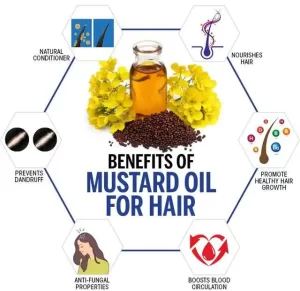
Growing up in Indian household, we need no introduction to mustard oil aka Sarson ka tel. From making our aam ka achaar all-the-more delicious to enhancing the flavour of our mutton curry and fish fry, mustard oil has given us several memories. Remember those childhood days, when every Sunday during winters, as you watched your favourite television shows, your mother would make you sit and massage your head with oodles of oil. From boosting immunity to protecting your body from cold and cough, and to strengthening hair roots and nourishing skin, mustard oil is loaded with several beneficial properties. As we grow up, not many of us follow the same Sunday hair care routine our mothers encouraged. However, if you feel that the city life and a busy schedule, pollution and lack of appropriate care have made your lovely tresses limp and lifeless, Femina Wellness Expert would recommend using mustard oil. Need some more reasons to switch to this home remedy? Here you can read more about the benefits of mustard oil for hair. Scroll below: Even as mustard oil is used in several food items, some people get put off by its thick consistency and pungent smell. However, if you move away from these drawbacks, mustard oil is great for your lustrous locks. “These properties of mustard oil make it a very popular and in-demand ingredient in hair care. You can safely use mustard oil on your hair to deep condition your hair, fight dandruff, help in hair growth and prevent premature greying,” says Dr Rinky Kapoor, Consultant Dermatologist, Cosmetic Dermatologist & Dermato-Surgeon, The Esthetic Clinics. Benefits Of Mustard Oil For Hair Facing hair issues? Then mustard oil is the just the elixir that you have been waiting for. It has numerous benefits for hair and scalp health. “Mustard oil has the right balance of omega 3 acids and omega 6 fatty acids and is enriched with Vitamin E and rich in antioxidants which increased its benefits to multifold. Mustard oil is used as a sunscreen, a cure for chapped lips, a natural stimulant for the body, whitening teeth, fighting cold and flu, helping ease muscle tension, removing tan and dark spots and lightening the skin tone etc,” Dr Rinky Kapoor explains. 1. Natural Conditioner Enriched with alpha fatty acids, which helps in keeping the moisture of your hair intact, and keeps hair fresh and bouncy, mustard oil is a natural conditioner that tends your hair soft, smooth, silky and voluminous. 2. Nourishes Hair Several people, in today’s time, face the issues of hair fall and hair thinning, which usually happens when our hair follicles are under-nourished and are not damaged. However, if you massage your hair follicles regularly with mustard oil, you can gain back your hair’s strength and shine. 3. Full Of Minerals, Vitamins And Antioxidants Do you know mustard oil is a great source of iron, magnesium, calcium and vitamins like A, D, E and K, along with antioxidants? This pungent hair oil is also loaded with the goodness of zinc, beta-carotene and selenium, which encourage hair growth and helps in keeping untimely grey hair at bay.>/p> 4. Boosts Blood Circulation Several hair experts claim that the main reason behind hair fall and hair thinning is under-nourished roots. If you want your limp tresses to gain life again, try using mustard oil for hair massage. “It is a natural stimulant. When massaged onto scalp, it stimulates the circulatory system, improves blood circulation,” says Amreen Shaikh, Head dietician and nutritionist, Wockhardt Hospital Mumbai Central. The best way to implement this is by heating the oil with some cloves and massaging your hair gently using fingers. Do this twice a week for better results. 5. Promotes Hair Growth Regular hair massage using mustard oil will render your hair soft, shiny and healthy. Since it is rich in antioxidants and several other nutrients, mustard oil stimulates faster hair growth 6. Anti-Fungal Properties Mustard oil has high erucic acid content, and it also has ALA content, which helps in cleansing your scalp and eradicating bacteria and fungus that block hair follicles and lead to building upon the scalp. 7. Prevents Dandruff Since mustard oil is rich in antioxidants and anti-bacterial in nature, regular use of it can help in keeping the scalp clean and free from dandruff. Expert Tips On Mustard Oil Uses Mustard oil is completely safe to use, however you must do a light patch test at least 24 hours before you use the oil on your scalp. Some commons side effects of mustard oil are allergic reactions like rashes on the skin in the form of lesions and blisters; it can also cause eye irritation and can cause clogged pores if not washed properly. You can use mustard oil as a standalone ingredient in hair care by simply massaging it on the scalp to improve the circulation. Massage well and cover your hair with a shower cap. Wash normally after 30 minutes and use a mild shampoo and conditioner. -Do a patch test before using it -Do not use it daily -Heat it slightly for better result -Can be made into hair masks with different ingredients

Read More
Physical Health

How Staying Home Affects Your Physical Health

A month back, if someone told us that the bustling streets of the world would be deserted, world economies would plummet, and we all would lock ourselves inside our homes for safety, we would have laughed, and laughed hard on that! As necessary as social distancing and staying home have become for us, being cooped up inside has its side effects, especially on our physical health. From jagged appetite to lower metabolism, there can be some ill effects on your body due to lack of physical activity. Here’s what experts have to say. Read on. Watch That Pose! From sofa to bed and balcony to floor, work from home has made us squat and work from corners of our home we never imagined. As comfortable as it sounds, it is not all that good for your body. Without a steady and balanced posture, occupying spaces without back or butt support long may cause spine issues. “You can walk around your home instead of continuously sitting. Stand up and stretch. You can do Zumba, yoga or aerobics, isometric exercises and skipping at home. But, avoid going overboard. People who have any comorbidities must consult their doctor before undertaking any fitness routine,” Dr Vikrant Shah, consulting physician, intensivist and infection disease specialist, Zen Multispeciality Hospital Chembur. Watch Your Metabolism! For most of us, who follow a sedentary lifestyle, it is imperative to keep the engines rolling. As lockdown and quarantine have restricted the physical movements to just our homes, make sure to keep your bodily cycles active by doing some physical exercise. Take the stairs in the house and follow a fitness routine to keep your metabolism rate stable. “Staying inside the home for a long time can reduce metabolism. It can also cause muscle loss especially if a person is used to working out,” says Amreen Shaikh, Head dietician and nutritionist, Wockhardt Hospital Mumbai Central. Also Read: 5 Healthy Snacks To Much On During The Quarantine Watch That Weight! Reduction in physical activity causes weight gain, explains Dr Shaikh. While we stay put in the house, our appetite goes for a toss. Owing to lack of movement, and all thanks to quarantine cooking wave on social media, eating has become a favourite pastime. “Staying at home may make you gain weight if you fail to exercise at home and follow a well-balanced diet. The sedentary lifestyle and low levels of physical activity can also invite other problems such as heart issues or diabetes. Also, in the current context of COVID-19, staying home is the only key to flatten the viral curve and to avoid community spread,” says Dr Shah. Also Read: Watch: Ways To Work From Home Efficiently Watch What You Watching! As the world outside has shut down, people are finding the comfort of socialising and entertainment in their phone and laptops. However, if you keep your eyes glued to the screen for long hours, chances of getting eye infection are high. Make sure you keep the brightness of your devices low and keep a dedicated off-time to help you switch off and get your eyes the much-needed rest. Why Staying Active Physically Is Important Also Read: Here’s How I Stay Motivated To Work From Home In Midst Of A Pandemic Best Ways To Keep Fit During The Lockdown

Read More
Varicose Veins

How to Treat Varicose Veins?

Do your legs sometimes feel heavy and achy? Do some of the veins on your legs appear swollen and twisted? If so, you may be experiencing varicose veins. Varicose veins are enlarged, swollen, and twisting veins, often appearing blue or dark purple in the legs and ankle region of the body. The truth is, it can progress into a more serious problem if left untreated. Who are at risk Varicose Veins? What is general cause: Veins are a part of your body’s circulatory system. They carry blood from your body’s tissues back to your heart where it picks up oxygen. Cause of varicose veins is generally due to faulty or leaky vein valves. Your veins have one-way valves that keep the blood flowing toward your heart. If the valves are damaged or weakened, rather than flowing back towards your heart blood can back up and pool in your veins, causing them to swell. What are symptoms associated with this condition: Conservative Treatment Surgical Management: Varicose vein treatments usually focus on making the disease vein swell and close permanently. The body routes blood to other veins. The treated vein eventually breaks apart and nearby tissue absorbs the remnants. The surgical treatment is carried out by a vascular surgeon or interventional radiologist. There are treatments available for those who want to rid themselves of varicose veins under the care of a vascular specialist. Sclerotherapy is one treatment option for varicose veins. During this procedure, a vascular specialist will make injections into the varicose veins to help reroute blood flow to healthier veins. Alternatively today, endovenous thermal ablation (EVLT) is carried. The treatment relies on high-frequency radio waves or laser heat to reroute blood to healthier veins and shut down problematic vein. Endovenous thermal ablation (EVLT) EVLA or EVLT, endovenous laser ablation is a minimally-invasive procedure that uses lasers to shrink varicose veins, precisely damaging the lining of veins so blood flow is prevented. EVLA is performed as an outpatient procedure, typically taking well under an hour to perform, with the actual laser treatment only taking a few minutes. Before your procedure, your vein will be carefully mapped using ultrasound technology so the treatment area can be clearly and precisely defined. The advantages of Laser Treatment (Endovenous Laser Treatment-EVLT) is that it is a minimally invasive latest treatment option available for varicose veins that does not require cuts (incisions) or stitches. It is a very safe procedure and leaves no scars. It usually requires a hospital stay for one day and patients can go back to work from the very next day of procedure. If you are experiencing signs and symptoms varicose veins please visit our Interventional Radiology department at Wockhardt Hospital for further treatment and management.

Read More
Seven Vows

Seven Vows Towards Healthy Life

Vow 1: Prioritize Yourself It is important to accept yourself the way you are, and then put yourself infront. This is not being selfish, this is being doubly responsible. Once you become responsible towards yourself, other responsibilities become easier to handle. Happiness sneaks in . Vow 2: Eat Right By this, I mean eat in right quantities, and with right mindset. Whatever diet you choose, make sure that it suits your body constitution. Drinking adequate water is also a part of eating right. It is important to be fit, rather than lean. Vow 3: Sleep Well Sleep always takes a backseat in our life. But it’s time to bring it infront and address it aptly. Atleast six hours of sleep is essential and all the fitness experts will vouch for this one. Vow 4: Exercise Yes, there’s no excuse to hard work. However lethargic you feel, the only way is to get up and go. Begin with thirty mins of work outs and indulge into whichever type of exercise you love. The crux is consistency in doing it. Vow 5: Annual Health Check-Ups We need to know what’s happening to the physiology of our body. It is our right and responsibility too. Whatever routine we are following , whether it is right or needs modification, we have to keep a track of it. That’s exactly where health checks help. They keep you abreast with the physiological changes in your body. If reports give a positive nod, you are on right path. If they show some derangements, correcting and modifying the lifestyle and routine is the answer. Makes sense, isn’t it? Vow 6: Mental and Emotional Exercise We all remember physical part of exercise well, but forget the mental and emotional part of it. Mental fitness is pivotal as it helps to keep your mind calm by giving it some space to calm down . Meditation is a wonderful way of doing it. Meditation can vary from person to person. Do whatever makes you empty your mind of all thoughts . Focus on something that gives you spiritual happiness. Any creative activity can help in this one. For example, being a writer apart from being a doctor, my writing is my mediation. Creativity will help you carve “me” time for yourself. Emotional exercise is all about exhaling out all the negatives. Communication helps. Talk things out. If you feel stuck in an emotional turmoil, talk it out. Find a confidante, converse, seek a shoulder to lean on. Dialogue, discussion, dialect help in dealing with dilemmas and dramas of life immensely. It also eases the clutter in the mind and makes way for good thoughts. A sound mind and sound body go hand in hand. Reach out, really! Vow 7: Awareness About Common Diseases Know about your family medical history, so that you are vigilant about them right from the beginning. Teach your children about the same. Know about common disorders like diabetes, hypertension, thyroid problems, heart diseases, pregnancy related issues, menstrual irregularities. When I say know about them, it’s not just about signs and symptoms, but also about the risk factors leading to them. Apart from family history, factors like smoking, alcohol, irregular food habits, obesity have to be kept in mind. After all prevention is better than cure. Wow!! Seven vows towards healthy life!! They sound so sanctimonious already. All you have to do is, take the first step and you will already be on the road to health. The wings of your good health will automatically spread into your family and then flying high won’t be tough. Last but not the least, be positive and be grateful. Positivity is the biggest motivation in life and gratitude is most happy emotion in life. So dear all, embrace life with these seven vows and celebrate being alive, in true sense. By – Dr. Swapna Khanzode – Consultant-Internal Medicine and Critical Care

Read More
Leg Swelling

Causes of Swelling in the Leg

Leg swelling can occur in any part of the legs, including the feet, ankles, calves and thighs. Leg swelling can result either from fluid build-up (fluid retention) or from inflammation in injured or diseased tissues or joints. Sometimes leg swelling may be a sign of a more-serious disorder, such as heart disease or a blood clot. Complications include difficulty breathing, chest pain or other warning signs of a blood clot in your lungs or a serious heart condition. It can be caused by a problem with the circulatory system, the lymphatic system or the kidneys. Leg swelling caused by the retention of fluid in leg tissues is called oedema. Other cause could be due to being overweight, being inactive, after sitting or standing for a long time, or wearing tight stockings. Some Diseases Causing the Same Include: Other Causes of Swelling in Leg Include Leg swelling can also be caused by inflammation in leg tissues. Inflammation may be a Normal Response to Injury or Disease, this includes

Read More
Group (24)

Mumbai Central: +912261784444

Group (24)

Mira Road: +912240543000

Group (24)

Nagpur: +917126624100

Group (24)

Rajkot: +912816694444

Second Opinion


TOTOWIN88

TOTOWIN88

BETSLOTS88

BETSLOTS88

betslots88

betslots88

betslots88

betslots88

betslots88

betslots88

betslots88

betslots88

totowin88

totowin

totowin

totowin88

totowin

totowin88

totowin88

totowin88

totowin88

kingliga

kingliga

kingliga

kingliga

kingliga

kingliga

kingliga

kingliga

kingliga

kingliga

kingliga

kingliga

kingliga

kingliga

kingliga

totowin88

prediksi togel

bocoran togel

syair togel

paito togel

livedraw togel

TOTOWIN88

TOTOWIN88

TOTOWIN88