Latest General Health Articles | Wockhardt Hospitals

ARTICLES ON General Health

Latest Articles on General Health

Why crying might be good for your health, according to a top psychiatrist

From uplifting your mood to easing out pain, crying once in a blue moon can benefit you in many ways. Hear it from a psychiatrist. Have you ever come across this phrase: “No use crying over spilt milk”? But, the point is why not? What’s the harm in crying? Because we have got proof that if you’re feeling down and out, then crying can actually help you in so many ways! Stunned? Well, who wouldn’t be? But it’s a fact that crying helps you release a range of emotions, and that’s a good thing. According to experts, it is a natural human response to any emotion – that’s why we get happy tears too. According to Dr. Sonal Anand, a psychiatrist at Wockhardt Hospitals, Mumbai, it is also an evolution that plays its role. When a child cries, s/he cries for attention or help. Similarly, crying also becomes a non-verbal way to communicate to the other person that you’re seeking support.    How does crying help you relax? Let’s hear it from an expert “When u are stressed, cortisol or ‘stress hormones’ are released in your body. This amps up your emotions, which trigger your tear ducts as well. When you are high on emotion, then along with your tears, protein and stress hormones are also released. This happens especially when you are angry or stressed.” She explained. She continues, “There is a release of leucine enkephalins which are nothing but endorphins. This helps in relieving pain and boosting your mood simultaneously. After that, your parasympathetic nervous system (PNS) takes over and signals the body that everything is fine, and makes you feel relaxed.” Crying also helps to restore your emotional balance Dr Anand explains that we don’t cry, when we are just sad. We also cry when we are way too happy or anxious. This majorly happens because we are all high on emotions. At that time, your body responds by crying, so that the tsunami of emotions can be controlled and restored back to normal. “A good crying session can actually make you feel lighter and better. It soothes your mind and that’s why most of us feel like sleeping after crying, because stressors are released from the body and your mind feels much calmer”, she said. She concluded, “But we need to watch out if you or anyone you know cries at the drop of a hat. This is because it can signal mental distress, and sometimes such cases need medical intervention because too much crying is alarming.” So, the next time someone calls you weak or judges you for crying – don’t pay heed to it, because it’s all for the sake of your own mental peace. Source: https://www.healthshots.com/mind/happiness-hacks/heres-why-a-good-cry-is-beneficial-for-you/

Read More

Ridden with Grief? A Psychiatrist Reveals How it Can Affect the Health

Our emotions aren’t futile. They have a huge impact on our overall well-being. One such emotion is grief. Grieving is always counted as a single unit, but it is multifaceted. It comes with pain – both physical and mental. That’s why it becomes all the more important to understand this emotion to tackle it better. One of the biggest reasons for grief is the loss of a near and dear one. Dr. Sonal Anand, a psychiatrist from Wockhardt Hospitals, Mumbai suggests that grief comes with a purpose i.e. to serve our emotional health, and is essential for us to adapt to our new life circumstances. “Grief is an important emotional and cultural aspect of human evolution. Unfortunately, in some cases, grieving can become prolonged and cause immense distress leading to pathological grief which is an altered mental state requiring treatment”, she says. Here are the five ways recommended by Dr. Anand, which explains how grief affects our body: 1. Grief Increases Stress Hormones Any kind of stress causes the release of cortisol, and the flight or fight response makes react in different ways — whether it is a faster heart beat, increase in blood pressure, dilatation of pupils, increased breathing, or certain endocrine changes. “The body can adapt to all these changes for a short while, but chronic exposure to such situations comes with its own set of problems. Chronic hyperdrive predisposes to the metabolic syndrome conditions like diabetes, hypertension, heart problems, mental disorders”, she says. 2. Grief Can Lead to Sleep Disorders, Body Ache, and Nagging Headaches Grieving way too much can numb the body, and give rise to sleeping problems. Stress hormones released in the body keeps it awake. The diurnal variation can become a problem too. “Some people have inverted sleep problems where they sleep in the day and remain awake at night. A few people may have hypersomnia, where they suffer from excess sleeping issues, which can last for a few days. This is a kind of defense mechanism to avoid dealing with the situation”, she explains. Dr Anand suggests that body aches are also seen in people, due to the constant release of cortisol. Muscle is also experienced by some people. “New-onset headaches can be seen or rise in frequency of migraines is also common”, she cautioned. 3. It Can Also Lead to Eating Disorders Grieving can alter your appetite to a large extent. Physical needs are left behind due to the trauma of grief. Loss of appetite, nausea, vomiting, diarrhea, and irritable bowels could be the changes seen in the gastrointestinal system. Some people could go through stress eating or binge eating and find comfort in eating. Weight loss or weight gain, nutritional deficiencies are the after-effects. 4. Grieving Can Decrease Immunity We all know how immunity has become a buzzword these days, but grief can make you compromise on that too. “Stress triggered by grief causes inflammation in the body and weakens the immune system. It also causes direct changes in the blood indices, which can lead to a weakened immune system. This predisposes to other infectious or worsens any ongoing inflammation”, she explains. 5. It also Impacts the Functioning of the Brain “Anxiety and panic are physical signs that you experience while grieving. There may be a complete denial of death initially, but as the grieving continues acceptance comes in gradually. Feeling sad comes in waves, and between these spurts, opportunities to be consoled are accepted. Some people feel a strong urge towards alcohol, smoking, or even drugs for relief. However one must realize that these high-risk behaviors are detrimental. Self-harm ideation can also become a coping mechanism”, she says. Not just that but she said that there is a sudden drop in the concentration levels of the person. Too many thoughts run in their head, flashes of old memories or traumatic events are seen over and over again. “Crying is a physical response, and can actually relieve the body of excess pressure. Having a few emotional changes are bound to happen during normal grieving. Help must be sought if grieving is leading to depression or too many physical problems, or the inability to cope”, she concludes. The bottom line is that even though grieving and crying your heart out can make you feel lighter and better if it is prolonged it can mess up with your head and health. So, watch out for all these signs and don’t get trapped.

Read More

Anulom Vilom Benefits

The practice of yoga needs no introduction. It has been a way of living for generations, largely for its various health benefits. And there’s nothing that yoga can’t do for you. That’s why it is our go-to solution for anything and everything!  One of the practices of yoga—anulom vilom, also known as the alternate nostril breathing is one of the most beneficial breathing exercises. Let’s look at some of its benefits:  1. Boosts the respiratory system A study published in the Journal of Ayurveda and Integrative Medicine found that alternative breathing practices can improve the functioning of the lungs. Further, it strengthens the lungs and improves any respiratory issues, such as asthma or chest infection. 2. Improves digestion Controlled breathing helps in better blood and oxygen flow in the body, which can help you with any stomach-related infections, or even constipation. It also helps to improve the functioning of your digestive system. 3. Reduces stress As we all know any kind of exercise or physical activity helps to reduce the cortisol levels, and this is true in the case of anulom vilom too! Researchers from a study published in the Journal of Indian Medical Association found that participants who performed anulom vilom showed improvement in anxiety levels, as compared to those who practiced suryanamaskar. 4. Minimises snoring Controlled breathing in anulom vilom helps to remove any kind of blockages present in your nostrils and allows smooth and constant passage of oxygen. This ensures that issues such as snoring are subsequently reduced. 5. Maintains a healthy heart Anulom vilom helps in purifying blood with better oxygen supply, and removing any blockages. This, in turn, helps in regulating blood pressure, thereby reducing the risk of any heart disease. What is Anulom Vilom Pranayama? One particular kind of pranayama, or regulated breathing in yoga, is called Anulom Vilom. Also known as alternate nostril breathing, it involves inhaling through any one nostril and exhaling through the other, alternating between them. This rhythmic breath control aims to balance the two hemispheres of the brain, improve focus, and enhance overall well-being. Practitioners believe it cleanses the energy channels, or Nadis, promoting optimal life force circulation. Anulom Vilom is well known for promoting respiratory health, lowering tension, and soothing the psyche. Anulom Vilom breathing is safe and risk-free for most individuals to practice. How is Anulom Vilom Pranayama Performed? When doing Anulom Vilom Pranayama, one should sit comfortably with an upright spine. Follow these steps: Start by doing this for a minute or two. When you do it for the first time, it could feel a little weird, so only do it when you’re comfortable. Source: https://www.healthshots.com/fitness/staying-fit/these-are-the-5-benefits-of-anulom-vilom-that-you-just-cant-ignore/ FAQs on Anulom Vilom Q. How many times should I do Anulom Vilom? You can repeat Anulom Vilom 60 times or for 5 minutes. This may be done at any time of day. Q. What are the immediate effects of Anulom Vilom? Anulom Vilom pranayama provides immediate effects like reduced stress, improved focus, enhanced respiratory function, and a sense of calmness. This alternate nostril breathing helps balance the mind and body. Q. Which organ is exercised by Anulom Vilom? You may strengthen your respiratory system, expand your lung capacity, and enhance the general performance of your respiratory organs by engaging in Anulom Vilom practices. Q. Which time is best for Anulom Vilom pranayam? Any pranayama should be performed between two hours before sunrise and one hour after sunrise. It is also advantageous to do it close to sunset. Q. Is Anulom Vilom good for high BP? Anulom Vilom may be able to significantly reduce blood pressure in those with hypertension, high blood pressure, and cardiac problems brought on by artery constriction.

Read More

Multiple well-being advantages of consuming vitamins similar to Raisins

Healthy snacks like raisins aka kishmish ought to be consumed as it’s a nutritious super-food. Almonds and walnuts are among the many yummy snacks provided to us by mom nature which we are able to devour guilt-free. Raisins are dried grapes that are stuffed with a number of vitamins similar to nutritional vitamins, minerals, antioxidants, phytonutrients, polyphenols, and plenty of different dietary fibers.  For all those that are well-being acutely aware, raisins are greatest appropriate for his or her food regimen. Following are their well-being advantages: “Raisins provide relief from constipation as well as other gastrointestinal problems like abdominal pain, irritable bowel syndrome, gas, bloating, and flatulence, etc,” mentioned Amreen Shaikh, forward nutritionist from Wockhardt Hospitals, Mumbai. “Raisins also have antibacterial, antiviral, and antifungal properties that help to reduce the risk of various infections”, defined Ms. Shaikh. “Antioxidants like vitamin C and polyphenols are anti-inflammatory in nature, which relieves pain and inflammation associated with gout and arthritis”, says head dietician Shaikh. Source: https://breakingnews4all.xyz/2020/10/18/multiple-well-being-advantages-of-consuming-vitamins-similar-to-raisins/

Read More

Walking Every Day Can Make You More Resilient to Stress

Are you stressed owing to your personal or professional life? Then, start walking every day! Did you know walking can help you set all your worries free? Walking has an insane number of benefits. Yes, you heard it right! Walking is good for your joint health, heart, and can can reduce stress and anxiety. Moreover, it soothes your nerves, enhances your mood, and keeps you active and positive for the rest of the day. Just wear your walking shoes and go for a walk in the nearby park/ ground. You will feel better and stress-free! Walking is an equipment-free activity and one of the best exercises for staying hale and hearty. In the morning, the air is fresh as the pollution levels are at their lowest. Along with other gases, fresh air has a good amount of oxygen. When you inhale oxygen, it is delivered to your cells, which utilise it to carry out all the functions. When your body functions properly, you will be able to keep various health ailments like heart disease at bay. Not only this, but walking also helps you battle the bulge, tones your body, and lead a stress-free life by reducing tensions, depression, and anxiety.  It Can Help You To Relieve Depression Do you know that going for a stroll can help you to de-stress and relieve depression? When one walks, natural pain-killing endorphins flow properly throughout the body. It Can Be Calming For Your Brain Various studies suggest that walking in green spaces can allow your brain to a calm state with little or no signs of anxiety. This is so because walking gives you some me-time when you can just introspect what is happening around you. You will be able to rejuvenate and manage stress. Walking Outdoors Can Help You Stay Stress-Free If done outdoors, walking as added benefits as when you are out in the lap of nature you can be sure that your memory and attention span would improve and so would your ability to fight any stress. Not only this, but it will also help you to beat tiredness. You will feel active the whole day and will be able to improve your productivity. It Helps Reduce Stress Hormones Are you often worried about your job? Or is your financial condition bothersome for you? Stressed owing to inflation? Then, it is the need of the hour to take up some activity that will help you stay calm and composed. Here, walking can be beneficial for you as it can regulate your mood. Just like any other cardiovascular activity, walking tends to boost the production of stress-busting endorphins. This, in turn, helps reduce the stress hormones and alleviate depression. Ta-da, by opting for walking, you can improve your mood and even enhance your self-esteem.

Read More
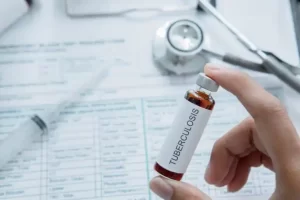
Tuberculosis

TB Or Not TB

What is the Differential Diagnosis? ” I questioned my team, raising my arm with an MRI film in hand, holding it up against the morning light that brightened up the patient’s room. A differential diagnosis (or DD, as we like to abbreviate it) is where we list out multiple possibilities by weighing the probability of one disease over another, based on the clinical and radiological features of the patient’s symptoms, to work towards an actual final diagnosis. It is a process of clinical reasoning that we exercise to enable appropriate testing, helping us arrive at an answer. Mrs Gandhi was a 55-year-old lady whose right eye appeared more prominent than the other. She felt pain while moving her right eyeball, and the tiny streaks of red we saw over the white of her eye looked angry and congested. The lower eyelid was swollen and appeared like a prosthetically positioned dark circle. An evening fever had been brewing in the background, but she had brushed it aside. She was capriciously told she had a tumour in the orbit and was sent to us. The resident doctor peered at the scan, hoping I would shift focus to someone else or that my arm would tire waiting for an answer. When the diagnosis is uncertain, junior doctors don’t like to speak up for fear of saying the outrageous. “At Least Describe What you See,” I Said, Trying to Instil Some Confidence. “There is a fleshy-looking soft tissue lesion around the right orbit pushing onto the eyeball. It seems to have eroded the lateral wall of the orbit and a bit of the base of the skull, infiltrating the temporalis muscle as well,” he muttered, albeit correctly. “So, What Could it Be?” Once again, a couple of blank looks were exchanged, all in the presence of the patient who was nauseous with anticipation, eager to know what was going on inside her.“Looks like a tumor to me,” he concluded sanguinely. Another doctor suggested that it could be a deposit from a lymphoma. The others ricocheted that it could be something inflammatory. “Anyone for infection bacterial, fungal, tuberculosis?” I asked. They all nodded some meekly, others mindfully. Tuberculosis or TB should always be considered in atypical-looking lesions of the brain; the correct diagnosis comes from recognizing patterns and keeping an encyclopaedia of possibilities open. Most people associate TB as being a problem of the lungs, but TB can affect any organ that has a blood supply: the brain, spine, skin, muscle, bone, intestine, liver, kidney, spleen and even the heart; everything except the nails, hair and teeth. Given the endemic nature of this disease in our country, it always makes the list of differentials. There was a time when TB or one of its manifestations or complications could pass off as an answer to any question asked in an exam. Data suggests that nearly 3,000 people die of TB daily in India, because the bacterium is becoming resistant to the first line of drugs available to treat it. There was also a time when many of the uncertain or unexplained lesions in the brain and spine were empirically treated with anti-tuberculosis drugs and a vast majority would heal; that’s how we differentiated many ghoulish cancers from a certainly curable diagnosis of TB. But in today’s practice of medicine, almost every suspicion of the diagnosis of TB needs a biopsy to prove the same and document drug sensitivity. I explained to Mrs Gandhi the possibilities of this being a tumour or infection, mostly TB. We would have to do an intraoperative histopathological analysis or a “frozen section” of the tissue to decide on a further course of action. If the pathology of the mass during surgery suggested the presence of a tumour, we would attempt to remove it extensively. If it suggested TB, we would remove only enough to relieve the pressure on the eye without risking damage to neurological function, as post-operative anti-TB medication taken for a year would wipe out the residue effectually. The next day, we did a craniotomy and removed most of the tissue as we waited for an answer from the pathologist, who was scrutinising the cells under a microscope in a lab nearby. Sometimes, even pathologists may have a portentous time differentiating one condition from the other, depending on the tissue they receive. I once remember operating on a brain tumour in a HIV-positive patient. The scan looked like a lymphoma, a tumour that melts with a single dose of steroids and then some chemotherapy. We had decided, owing to the precarious location of the tumour deep inside the brain, that if the frozen section showed a lymphoma, we would not remove it completely, but that if it were any other tumour, we would go after it. The pathologist decreed it to be a lymphoma and so we stopped. The next day, despite high doses of steroids, the patient had malignant brain swelling and died. A few days later, while carrying out assiduous testing, the pathologist entertained the possibility that the cells showed a high-grade brain cancer also known as glioblastoma. He was apoplectic that some of those cells had mimicked a lymphoma. Iwas devastated. While we waited for the report to come in on Mrs Gandhi, we casually bet a coffee as we removed more abnormal tissue from her head. “This looks like tumour to me,” I said, giving my final remarks. My assistant disagreed. “It’s TB,” he announced, and he was right. We finished the job and a few days later gave her the positive news that her TB was sensitive to the first line of drugs. She was back to work in a week, the scar perfectly covered behind her hairline; no one in the office could tell she had just had brain surgery. A year later, she was cured, a scan showing no trace of the lesions. Medicine focuses on discerning the original and discarding the mimic. The word “diagnosis” arises from the Greek “to

Read More

Is olive oil healthier than good-ol’ sarson ka tel?

Our dadis, nanis, and mums have been cooking with mustard oil or sarson ka tel since forever. But we millennials have our heart set on olive oil, which is often propositioned as the best when it comes to weight loss. The debate over which oil is better has been going on for quite some time. And it looks like this tug of war between olive and mustard oil will never end. Is olive oil healthier than good-ol’ sarson ka tel? This is what a nutritionist has to say – Winning BrainBUSINESS, Accounting, Affiliate, Auto Insurance, B2B Ecommerce, B2B, Biotechnology, Business, Business Management, Business Travel, Construction, Credit Card, Debt, Entertainment, Finance, Human Resources, Insurance Business, Internet Security, Management, Office Supplies, Online Payment Solutions, Software, Startup, Web Hosting, CONSUMER, Art, Automotive, Casino, Cell Phone, Computer, Dating, Ecommerce, Electronics, Email, Fashion, Golf, Hotel, Internet, Jobs, Law, Mortgage, Music, Online Stores, Pest Control, Photography, Plumbing, Real Estate, Restaurants, Shoes, Travel, Wedding, FINANCE, Financial Services, HEALTH & WELLNESS, Acne, Diet, Energy, Fitness, Gardening, Health Care, Health Fitness, Nutrition, Vacations Travel, Weight Loss, MISCELLANEOUS, Aerospace, Agriculture, Best Travel, Coffee, Dog Training Education Environmental Food & Beverage, Forex, Gifts, Home Based Business, Home Improvements, Internet Games, iPhone, Jewelry, Landscaping, Legal, Luggage, Pharmaceutical, Poker, Retail, School Education, Solar Energy, Transporation, Women Fashion, Work From Home, SALES & MARKETING, Advertising, Marketing, Marketing Email, Media, Online Marketing, Sales, SEO, Shopping Cart Solutions, Social Media, Technology, Twitter, Web Design, Web Development, But today we are here to put an end to this olive oil versus mustard oil battle, so that you can make an informed descision. And to help us out, we’ve got Amreen Shaikh, head dietician and nutritionist at Wockhardt Hospital, Mumbai. So, let’s see what she recommends.  How you cook matters a whole lot when it comes to choosing an oil We’re sure when buying cooking oil, you study the content label looking for things like trans fat. But before you get to this stage, you should first be clear on how you are going to cook with this oil. Are you going to fry, saute, or grill with this oil? Explains Ms Shaikh: Is olive oil healthier than good-ol’ sarson ka tel? This is what a nutritionist has to say – Winning BrainBUSINESS, Accounting, Affiliate, Auto Insurance, B2B Ecommerce, B2B, Biotechnology, Business, Business Management, Business Travel, Construction, Credit Card, Debt, Entertainment, Finance, Human Resources, Insurance Business, Internet Security, Management, Office Supplies, Online Payment Solutions, Software, Startup, Web Hosting, CONSUMER, Art, Automotive, Casino, Cell Phone, Computer, Dating, Ecommerce, Electronics, Email, Fashion, Golf, Hotel, Internet, Jobs, Law, Mortgage, Music, Online Stores, Pest Control, Photography, Plumbing, Real Estate, Restaurants, Shoes, Travel, Wedding, FINANCE, Financial Services, HEALTH & WELLNESS, Acne, Diet, Energy, Fitness, Gardening, Health Care, Health Fitness, Nutrition, Vacations Travel, Weight Loss, MISCELLANEOUS, Aerospace, Agriculture, Best Travel, Coffee, Dog Training Education Environmental Food & Beverage, Forex, Gifts, Home Based Business, Home Improvements, Internet Games, iPhone, Jewelry, Landscaping, Legal, Luggage, Pharmaceutical, Poker, Retail, School Education, Solar Energy, Transporation, Women Fashion, Work From Home, SALES & MARKETING, Advertising, Marketing, Marketing Email, Media, Online Marketing, Sales, SEO, Shopping Cart Solutions, Social Media, Technology, Twitter, Web Design, Web Development, Indian cooking requires a lot of sautéing and frying for which olive oil is not the right choice. According to Shaikh, the smoking point of olive oil is very low and it immediately converts into trans fats or unsaturated fats that are very bad for your overall health. Cooking with olive oil in this way can lead to weight gain. In such cases, mustard oil is what you should prefer as it has a higher smoking point than olive oil. “But if you want to use an oil for dressing or for dips, then you can surely go for olive oil. In case you are grilling your food then extra-virgin olive oil can be used as mustard oil is not great for salad dressings as it has a pungent smell,” she suggests. Are there any nutritional differences between olive oil and mustard oil? MUFA, check. PUFA, check. In fact, you’ll be glad to know that both these oils have almost similar nutrient levels which help in keeping your cholesterol in check.  “Both oils are rich in antioxidants and anti-inflammatory properties that help in keeping many health issues at bay,” she explains.MUFA and PUFA are needed for better heart health. Image courtesy: Shutterstock That said, mustard oil has an upper hand when it comes to nutrition. This is because it has the ideal ratio of 1:2 of omega-6 and omega-3 fatty acids, as recommended by the WHO.  Olive oil on the other has a ratio of 12:1 according to Shaikh, which is not good for your heart health.  The verdict? “When it comes to olive oil many people don’t really know how to use it and at times use it as a replacement for regular refined oil which is very, very harmful. So, keeping in mind the Indian scenario i.e. the way we cook and the type of food we eat, mustard oil is the right and a much healthier choice to make. It is inexpensive and is readily available and we all know how to use it,” she concludes. So ladies, the next time you hit the supermarket, you might want to move towards mustard oil leaving that big jar of olive oil behind.

Read More
Apple Cider Vinegar

Is Apple Cider Vinegar Good for You? Benefits of Apple Cider Vinegar

Apple cider vinegar made by fermenting the sugar from apples. This turns them into acetic acid, which is a main active ingredient in vinegar and may be responsible for its health benefits Apple cider vinegar is a popular home remedy. People have used it for centuries in cooking and medicine. Some popular benefits include antimicrobial and antioxidant effects. Other benefits, such as aiding weight loss, reducing cholesterol, lowering blood sugar levels, and improving the symptoms of diabetes. Health benefits of apple cider vinegar like increased weight loss, better blood sugar control and a stronger immune system. Preliminary research that suggests ACV might enhance the work of certain immune-system cells, including bacteria-engulfing cells helping the system fight disease Along with a reduced-calorie diet Apple cider vinegar can lower triglyceride and total cholesterol levels and led to improvements in healthy HDL-cholesterol levels. ACV can prevent blood sugar spikes and improve insulin sensitivity, which means that the body may be more sensitive to the way insulin is transporting glucose from the bloodstream into your cells where it can be used for energy. ACV contains gut-friendly probiotic bacteria which can benefit your stomach and improve digestion. The main substance in vinegar — acetic acid — can kill harmful bacteria or prevent them from multiplying. It has a history of use as a disinfectant and natural preservative. It can help in weight loss  by  increasing the feelings of fullness and help you eat fewer calories, which may lead to weight loss.

Read More
Gardening for Health

12 Benefits of Gardening on Health

Many people take pride in their gardens. Gardening is not only enjoying the smell of fresh flowers but can also be an effective way to improve your health. Gardening be an effective form of workout, but it can also benefit your mental health too. Spending time outside can help reduce depression, anger and stress. Furthermore, gardening is good for you as it can help reduce the risk of diseases such as stroke and osteoporosis as well as improving your immune system. 1. Reduced risk of stroke According to research gardening can help reduce the risk of a heart attack or stroke. When looking at the age group 60+ gardening can help prolong life by up to as much as 30%. 2. Burns calories Gardening can be a hard workout, depending on what you do and for how long. A simple 1 hour of gardening could help you to burn up to 330 calories. Also, if you garden for three to four hours, you could easily burn as many calories as you would from one hour in the gym. 3. Stress relief Gardening as a form of exercise can be good for you as it helps to release endorphins, the hormone that helps to make people feel satisfied and relaxed. Furthermore, being outside in direct contact with the sunlight could help improve your mood. Stress hormone in your brain called cortisol could be reduced through gardening. 4. Improved immune system Exposure to the sun through gardening can help you absorb plenty of vitamin D. In short, Vitamin D can help your body to absorb calcium, which in turn, can help keep your bones strong and your immune system healthy. Spending more time outside and under the sun helps increase the levels of Vitamin D in your body. In return, it enables you to absorb more calcium, which makes the bones stronger and the immune system healthier. 5. Responsibility Gardening activities provide purpose and a sense of worth. Having a hobby or a profession like gardening makes you feel  responsible as you have to make things grow and you automatically feel responsible for the plants. 6. Live in present Being outside in your garden and experiencing the change of seasons as and when they happen can help you feel connected to the world. Therefore spending the time outside and experiencing the flowers as they bloom can be a great way to keep track of time. 7. Getting rid of negative thoughts If you have experienced a bad day simply grabbing a shovel and doing some heavy digging or drastic pruning could be a great way to rid of your built up of negative feelings. Distracting yourself from your life’s stress through gardening is an excellent technique because this activity is connected to growth and renewal. Your plants will swamp your garden space if you don’t cut them so mow them down whenever you feel troubled. 8. Increasing the senses Spending time in the garden is a great way to enhance your sensory system. With all the different smells, colours and textures of plants around you can easily make the most of your body’s abilities. T 9. Growing fruit and vegetables Growing fruit and vegetables in your owngarden can be good for you as you can include your produce in your diet 10. Decreases osteoporisis Osteoporosis is a disease that can weaken bones and therefore increases the likelihood of a broken bone. Therefore, by regularly gardening you will take part in repetitive tasks that can ensure all the major muscle groups are getting a good workout. This can help decrease the risk of osteoporosis. 11. Reduced risk of dement Engaging in a physical activity such as gardening can help lower the risk of developing dementia. 12. Attaining Spirituality Gardening can help enter a zone of peace and you can be in oneness with nature . Similar to what an athlete will enter before and during a competition, or the mood you enter during yoga or medita From health-related benefits  GARDEDNING can help reduce the risk of a heart attack to helping you relax after a stressful .

Read More
Breathing Exercises

Breathing exercises to elevate your Mind

The following yogic breathing exercises to improve your mood will consciously change/control the breath and to make our mind steady, focused and peaceful. 1. Shapes Breath Sitting in front of one another, one partner guides the other’s breathing by asking them to follow the movements of their hand with their breath. When she raises her hand upward (slowly), it means inhale; when she moves her hand horizontally, it means hold the breath; and when she moves her hand downward, it means exhale. The leading partner can draw an imaginary square with their hand causing their partner to inhale, hold the breath, exhale, hold the breath etc. in a rhythmic way. If you do it for a minute or two, you will feel deeply relaxed. Try with different shapes such as lines, triangles, stairs and circles. Switch roles when ready. The teacher or a student can also lead the whole group in this exercise. 2. Counting the Breath Sit up tall, and as you inhale and exhale, count your breath. It’s hard to count aloud and breathe at the same time, so count using your fingers or have the teacher count aloud for everyone. You can practice any of the following breathing rhythms or invent new ones: ·     Inhale 5, exhale 5 ·     Inhale 4, exhale 8 ·     Inhale 4, hold the breath for 4, exhale 4 3. Diving Breath Stand at one end of the room and take a deep breath. Hold the air in and ‘dive’ under the water, walking and making swimming motions with your arms, hold your breath until you reach the other side of the room. 4. Alternate Nostril Breathing According to yoga, this change between the two nostrils helps to keep the balance in our body. The right nostril, connected to the left-brain, is considered to carry the sun energy; the masculine energy. The left nostril, connected to the right-brain, harnesses the moon energy; the feminine energy. When we breathe through only one nostril for a long time, an imbalance is created and we start feeling either more nervous and angry (if the right nostril is dominant), or more anxious and afraid (if the left nostril is dominant). This exercise is like preventative medicine because it helps to keep a regular and harmonious flow between the two nostrils. To do the full exercise: 1.     Sit up tall and, using your right thumb, block your right nostril. Inhale slowly and deeply 
through your left nostril. 2.     Close both nostrils using your right thumb and index finger and hold your breath for a few seconds or for as long as comfortable. 3.     Open your right nostril, keeping your left nostril closed with your index finger, and exhale slowly and fully. 4.     Inhale through your right nostril slowly and deeply. 5.     Close both nostrils and hold your breath for as long as comfortable. 6.     Open your left nostril, keeping your right nostril closed with your thumb, and exhale slowly. 
This is one round. 7.     Practice 3-5 rounds. If holding the breath is too difficult for the children, skip stages 2 and 5. 5. Prana Breath Our breath is fundamentally connected to our bodies and our minds. Children breathe and don’t even realize that they are doing it! This exercise helps them become aware of their breath; that it is constantly moving and that no two moments are the same. ‘Prana’ means vital force. We cannot live without our breath; to live is to breathe and to breathe is to live. 6. Bellows  Breath This breath is especially good for depression. The subjective experience is one of mild elation, followed by a feeling of relaxation. During practice, the sympathetic nervous system is briefly stimulated. However, following practice, the parasympathetic system is awakened. Blood pressure and heart rate usually drop to or below the resting rate, and the autonomic nervous system comes back into balance. Source: https://www.doyou.com/5-breathing-exercises-to-improve-your-mood-and-state-of-mind-56061/

Read More
Group (24)

Mumbai Central: +912261784444

Group (24)

Mira Road: +912240543000

Group (24)

Nagpur: +917126624100

Group (24)

Rajkot: +912816694444

Second Opinion


TOTOWIN88

TOTOWIN88

BETSLOTS88

BETSLOTS88

betslots88

betslots88

betslots88

betslots88

betslots88

betslots88

betslots88

betslots88

totowin88

totowin

totowin

totowin88

totowin

totowin88

totowin88

totowin88

totowin88

kingliga

kingliga

kingliga

kingliga

kingliga

kingliga

kingliga

kingliga

kingliga

kingliga

kingliga

kingliga

kingliga

kingliga

kingliga

totowin88

prediksi togel

bocoran togel

syair togel

paito togel

livedraw togel

TOTOWIN88

TOTOWIN88

TOTOWIN88